


What Is the Best Type of Check Valve in 2026?

The best check valve in 2026 is not one design for every pipe, pump, or process. It is the valve that suits the system’s flow, pressure, fluid, and installation conditions. A swing check valve may work well in a larger line with steady flow, while a compact dual-plate design can save space. Lift and nozzle-style valves may suit specific high-velocity or pump-discharge applications, but their performance depends on the equipment and operating conditions.

Details matter. A valve that closes too slowly can allow reverse flow and contribute to water hammer. One that closes abruptly may create its own pressure surge. Pressure drop, orientation, maintenance access, and the fluid’s temperature and chemistry also affect the choice. Check the manufacturer’s published limits and installation instructions against the actual system—not just the pipe size. Small details count.

A careful comparison starts with the failure risks and operating data, then narrows the options by design, materials, and service requirements. Still, a tidy specification sheet cannot predict every real-world condition; that deserves a second look. Engineers and operators should verify assumptions, especially where flow varies or solids may be present. This guide compares common check valve types and explains where each can make sense, what trade-offs to expect, and which questions to ask before selecting one.
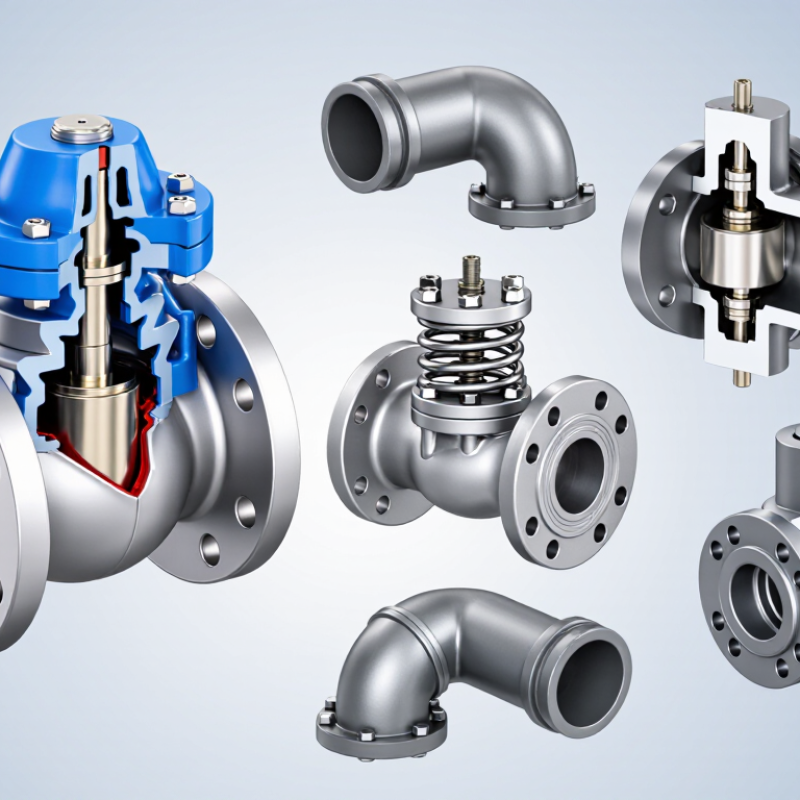
What Is the Best Type of Check Valve in 2026?

How Check Valves Prevent Reverse Flow

Reverse flow can turn a steady pump line into a source of noise, pressure shocks, and equipment wear. A check valve closes when flow reverses, helping protect pumps and keep liquid moving in the intended direction. In a vertical pipe, for example, a spring-loaded valve may close quickly as the pump stops. That can limit backflow, though poor sizing may create excessive pressure loss.

The U.S. Department of Energy’s Improving Pumping System Performance sourcebook reports that pumping systems use nearly 20% of the world’s electrical energy. That figure covers pumping systems broadly, not check valves alone. Still, it shows why avoiding unnecessary recirculation and pump strain matters. A valve that leaks or closes too slowly can let fluid rush backward, potentially causing a sudden pressure change known as water hammer.

There is no universal “best” type. Swing checks often suit steady, low-velocity flow, while spring-assisted designs can close faster in some systems. But faster closure is not automatically better; it may increase pressure spikes. Engineers should check flow rate, fluid properties, pipe orientation, and the pump’s stopping behavior before selecting a valve. Field conditions can differ from the neat calculations. That deserves attention.
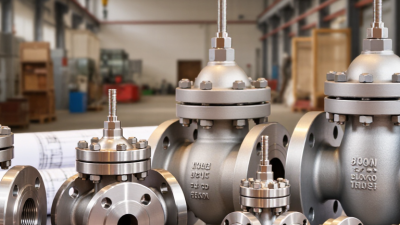
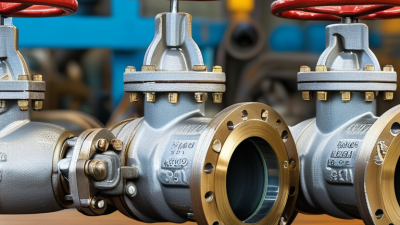
How Major Check Valve Types Differ

What Is the Best Type of Check Valve in 2026?
How Major Check Valve Types Differ

The best check valve depends on flow, installation space, and how quickly flow reverses. Swing check valves use a hinged disc and suit steady, relatively clean flow. They need room for the disc to open. Lift check valves guide a disc vertically, often fitting compact, high-pressure lines, but can create greater flow resistance. A spring-loaded, dual-plate valve closes quickly and takes less space. It may help limit water hammer, though it cannot prevent every pressure surge. Ball check valves tolerate some dirty fluids, but their heavier moving parts may respond more slowly.

The U.S. Department of Energy’s Improving Pumping System Performance sourcebook reports that pumping systems account for nearly 20% of global electricity demand; in some industrial plants, they use 25–50% of operating energy. Those figures describe whole pumping systems, not check valves alone. Still, unnecessary pressure loss through a poorly matched valve can add to pump workload. For a pump discharge line, check the manufacturer’s pressure-drop curve against expected flow, not just the pipe size. Also verify fluid compatibility, mounting orientation, and reverse-flow conditions. I would not choose by valve type alone. Real installations can be messier than the catalog suggests.

What Factors Determine the Best Check Valve

A check valve’s best type depends on the system around it, not just the pipe diameter. The wrong choice can cause noisy closure, excess pressure loss, or unreliable flow control. Start with the fluid: clean water, viscous oil, and fluid carrying grit place different demands on internal parts. Material compatibility matters, especially when temperature or corrosion may shorten service life.

Flow rate and pressure shape the next decision. A swing check valve often suits steady, larger flows, while a spring-assisted design may close faster in compact lines. But fast closure is not automatically better. It can reduce reverse flow yet contribute to water hammer if the system is poorly matched. Check the valve’s cracking pressure and pressure drop against the pump’s operating range. Small details count.

Installation space and orientation also narrow the options. Some designs rely on gravity and need a particular position; others tolerate more layouts. Consider access for inspection, too. A valve buried behind equipment may be difficult to clean or replace when debris builds up. In practice, the most overlooked factor is often the actual flow pattern: frequent starts, low flow, or sudden pump stops can change how a valve behaves. Specifications help, but operating conditions deserve a careful second look.

What Is the Best Type of Check Valve in 2026? — What Factors Determine the Best Check Valve
Valve Type How It Works Typical Strengths Key Limitations Commonly Suitable For Factors to Check Before Selection
Swing check A hinged disc swings open with forward flow and closes when flow reverses. Simple design; relatively low resistance to flow when fully open; available in a wide range of sizes. Can slam shut if reverse flow develops quickly; generally needs suitable installation orientation and adequate flow to keep the disc open. Water and wastewater lines, pumping systems, and other services with steady flow. Flow velocity, closing speed, risk of water hammer, pipe orientation, and whether solids or debris may interfere with the disc.
Dual-plate (wafer) check Two spring-loaded plates open into the flow and return toward the seat as flow slows or reverses. Compact and light compared with many full-body designs; short face-to-face length; spring assistance can help reduce reverse-flow impact. Plate movement and seating can be affected by unsuitable flow conditions or debris; performance depends on the specific design and installation. Space-constrained water, HVAC, and process-piping installations where compatible materials and ratings are available. Minimum flow, spring characteristics, pressure and temperature ratings, pipe layout, debris content, and compatibility with the mating flanges.
Lift check Flow raises a guided disc or piston from its seat; gravity or a spring helps it close when flow stops. Guided closure can provide reliable seating in suitable service; commonly used in smaller lines and higher-pressure applications. Typically creates more flow resistance than a full-bore swing design; many configurations require horizontal installation, subject to manufacturer instructions. Clean fluids in smaller-bore piping, including some steam, gas, and liquid services. Fluid cleanliness, pressure drop, installation orientation, operating pressure, and the valve’s specified flow direction.
Axial (nozzle) check A guided disc moves axially away from the seat under forward flow and is returned by a spring as flow falls. Fast response can help limit reverse-flow velocity; streamlined designs can offer relatively low pressure loss. May be more complex and costly than basic designs; correct sizing and operating flow range are important. Systems where rapid closure or reduced slam risk is important, including some pump and compressor discharge lines. Transient conditions, flow range, spring selection, pressure loss, noise, and the supplier’s application-specific sizing data.
Ball check A ball moves away from the seat during forward flow and returns to block reverse flow. Simple moving parts; some designs handle fluids containing suspended solids better than close-clearance guided designs. Can require a suitable flow velocity to lift the ball; orientation, ball material, and seat design affect performance. Some wastewater, slurry, and general liquid applications, when the design is explicitly rated for the service. Solids size and concentration, fluid viscosity, pressure drop, ball and seat materials, and installation orientation.
Tilting-disc check A disc pivots about an offset axis and moves out of the flow path as the valve opens. Can close faster than a conventional swing design in suitable conditions; some designs provide a relatively unobstructed flow path. Selection and setup are sensitive to flow conditions; not every design is suitable for every orientation or fluid. Large-diameter water and process lines where flow characteristics and the valve’s operating range are well understood. Flow velocity, reverse-flow dynamics, pressure and temperature ratings, installation position, and closure behavior.
Best choice depends on the application There is no single check-valve type that is best for every system. Match the valve to the fluid, pressure and temperature, flow range, allowable pressure loss, installation orientation, contamination level, maintenance needs, and risk of water hammer. Confirm sizing and transient performance with the applicable engineering standards and the valve manufacturer’s technical data.
Note: The comparisons are general selection guidance. Actual pressure loss, closure time, orientation limits, materials, and operating limits vary by valve size, design, and manufacturer. Verify the product data and applicable codes for the specific service.

Which Check Valve Types Suit Common Applications

Swing check valves suit many low- to moderate-velocity water lines. Their disc opens with forward flow and closes when flow reverses. On a clean-water pump discharge, a properly sized swing valve can offer low resistance. But slow closure may allow reverse flow before shutoff, creating a damaging slam. Real piping is rarely textbook-clean.

For fast-closing pump systems, spring-assisted axial or nozzle check valves can reduce slam risk. Dual-plate valves are compact options for larger lines, while lift checks may suit clean fluids and higher-pressure service. Each design has trade-offs: springs add resistance, and debris can obstruct moving parts.

The U.S. Department of Energy’s 2002 industrial motor-systems assessment estimated that motor-driven systems used about 69% of U.S. manufacturing electricity, making unnecessary pressure loss worth examining. For drinking-water projects, the EPA’s 2023 Drinking Water Infrastructure Needs Survey and Assessment estimated $625 billion in needs over 20 years. That scale argues for careful selection, not one universal valve.

Check flow speed, fluid cleanliness, installation orientation, and the pump’s shutdown behavior before specifying a type.

A small detail matters.

How Installation and Maintenance Affect Valve Performance

What Is the Best Type of Check Valve in 2026?

A check valve performs well only when its design matches the flow, pressure, and installation conditions. Even a suitable valve can leak or slam shut if installed poorly. Check the flow arrow on the body, and follow the manufacturer’s orientation and clearance requirements. A few degrees of misalignment can matter.

Pipe layout matters, too. A valve placed close to a pump elbow may experience turbulent flow, causing chatter and premature wear. Where space allows, provide a straight pipe run before the valve. Support heavy piping independently; the valve should not carry pipe strain. Small details add up.

Maintenance keeps performance predictable. During inspections, look for external leaks, unusual vibration, and pressure changes that suggest restricted flow. If the system can be safely isolated and drained, inspect internal parts for debris, corrosion, or worn seating surfaces. Never assume a quiet valve is a healthy one. It may simply be stuck open.

Cleaning intervals should reflect the fluid and operating cycle, not a generic calendar. A clear-water line may need less attention than one carrying grit. Record inspection findings and operating conditions; these notes help identify gradual changes. Still, maintenance records are not a substitute for checking the actual valve. A missed symptom can be expensive.

Whether your solution requires a single pumping application or an expansive engineered system,
CheckPoint is committed to becoming your partner in excellence.