


Top 10 Check Valve Manufacturers Worldwide?

Choosing among the top 10 check valve manufacturers worldwide requires more than comparing catalog prices. A check valve may look simple, yet its disc, spring, seat, and body must respond accurately to changing flow. In a refinery line, one failed closure can send pressure back toward a pump. In a water plant, poor sealing can create visible leakage, vibration, and repeated maintenance.

Industry data shows why this market deserves careful evaluation. Grand View Research reports that the global industrial valves market was valued at approximately USD 77.1 billion in 2023, with continued growth expected through 2030. MarketsandMarkets also identifies oil and gas, water treatment, power generation, and chemical processing as major valve-demand sectors. These figures describe industrial valves broadly, not only check valves. That distinction matters.

Philip L. Skousen, author of Valve Handbook, describes the basic function clearly: “A check valve allows flow in one direction and prevents it in the opposite direction.” The principle is simple. The engineering is not.

This ranking considers manufacturing experience, material quality, pressure ratings, testing practices, certifications, delivery capability, and after-sales support. It also considers practical details, such as whether a wafer check valve fits a crowded pipeline or whether a dual-plate design reduces water hammer. No ranking is perfectly universal. Service conditions differ, and published performance claims need verification. Buyers should still review drawings, test certificates, maintenance records, and application data before selecting a supplier. That extra step may feel slow. It often prevents expensive surprises.
Top 10 Check Valve Manufacturers Worldwide?

How Check Valves Work and Where They Are Used

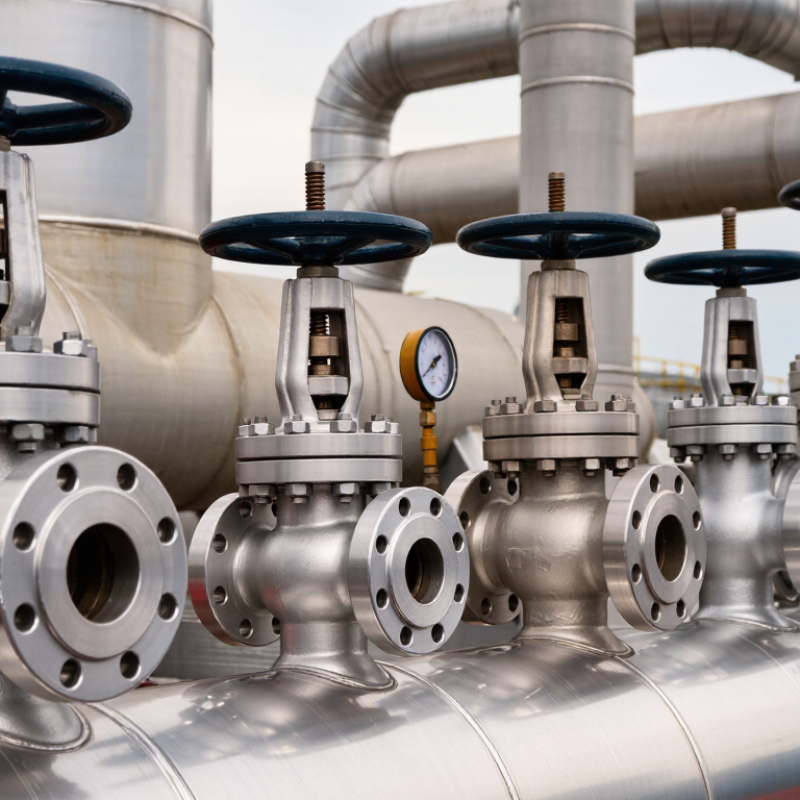
A check valve allows fluid to move in one direction and blocks reverse flow. Its disc, ball, or piston responds to pressure changes inside the pipeline. When inlet pressure rises, the valve opens. When flow reverses, the closing element returns to its seat. This action protects pumps, compressors, and process equipment from backflow and pressure shock. The mechanism looks simple. The application is not always simple.

Swing, lift, spring-loaded, and wafer check valves suit different operating conditions. Water systems often use swing designs for steady, low-resistance flow. Spring-loaded valves respond quickly in compact piping. Chemical and industrial systems require careful checks for temperature, pressure, corrosion, and fluid cleanliness. Incorrect sizing may cause vibration, noise, or early wear. A reliable selection also considers installation direction and maintenance access.

Tips: Match the valve material with the conveyed fluid. Confirm the pressure rating before installation. Keep the flow arrow visible. Avoid placing the valve beside turbulent elbows when possible. Test closure performance during scheduled inspections. A technically suitable valve can still perform poorly when installed carelessly. That detail is easy to overlook.
Top 10 Check Valve Manufacturers Worldwide? - How Check Valves Work and Where They Are Used

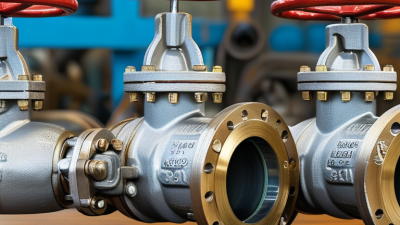
Check valves allow fluid to move in one direction and automatically close when reverse flow occurs. They are commonly used in water and wastewater systems, oil and gas facilities, chemical processing, power generation, HVAC systems, and pump discharge lines.

The chart shows the standard pressure-class designations commonly used for flanged and wafer-style valves under ASME B16.34. These class numbers are designation values rather than direct pressure values; the allowable pressure depends on the valve material and operating temperature.

Criteria for Ranking Global Check Valve Manufacturers

Top 10 Check Valve Manufacturers Worldwide?

Ranking global check valve manufacturers requires more than comparing catalog sizes. A credible assessment examines field experience, engineering depth, and repeatable production quality. Manufacturers should demonstrate successful service in water, energy, chemical, and process applications. Their valves must handle pressure changes without excessive leakage, vibration, or premature wear.

Testing evidence deserves serious weight. Reviewers should check pressure-test records, material certificates, inspection procedures, and traceability from casting to shipment. Independent certification can strengthen confidence, but certificates alone do not prove practical performance. Clear data on cycle testing, temperature limits, flow resistance, and failure rates offers stronger evidence. Small details matter.

Customer support also influences the ranking. Responsive technical teams can help select sealing materials, connection types, and suitable pressure classes. Spare-part availability and documented maintenance procedures reduce downtime across distant markets. Evaluators should study warranty patterns and verified customer feedback, not promotional claims. No ranking is perfect. Data may be incomplete, and regional performance can differ. That limitation deserves honest disclosure. A reliable ranking should therefore balance test results, manufacturing consistency, service capability, delivery reliability, and long-term operating value.

Top 10 Check Valve Manufacturers Worldwide? - Criteria for Ranking Global Check Valve Manufacturers
Rank Evaluation Criterion Objective Data Dimension Recommended Verification Evidence Weight
1 Product Portfolio Breadth Coverage of swing, dual-plate, lift, piston, tilting-disc and axial-flow check valve designs. Current product catalogue, technical datasheets, pressure-class range and published size range. 15%
2 International Standards Compliance Use of recognized standards such as API 594, API 6D, ASME B16.34, EN 12334 and ISO 5208. Valid certificates, type-test reports, conformity declarations and standard references on technical documentation. 14%
3 Pressure and Temperature Capability Published pressure classes, maximum allowable working pressure and temperature limits for offered designs. Pressure-temperature charts, material specifications and design-rating documentation. 12%
4 Leakage and Performance Testing Testing capability for shell integrity, seat leakage, reverse-pressure performance and functional operation. Test procedures aligned with API 598, ISO 5208 or equivalent applicable standards, supported by inspection records. 12%
5 Material and Corrosion Options Availability of carbon steel, stainless steel, duplex, nickel-alloy and elastomer or metal-seat configurations. Material certificates, trim schedules, corrosion-resistance specifications and applicable NACE documentation. 10%
6 Industry and Service Coverage Suitability for oil and gas, power generation, water treatment, chemical processing, LNG and industrial services. Published application data, reference-project documentation and service-specific engineering information. 10%
7 Manufacturing and Quality Systems Documented quality management, traceability, non-destructive examination and inspection controls. ISO 9001 certification, quality manuals, inspection and test plans, and manufacturing traceability records. 10%
8 Regulatory and Market Access Ability to meet regional requirements such as the EU Pressure Equipment Directive and relevant local approvals. Third-party conformity assessment, CE-related documentation where applicable and regional product approvals. 8%
9 Engineering and Customization Support for special face-to-face dimensions, low-temperature service, sour-gas service, noise reduction and custom materials. Engineering calculations, dimensional drawings, application review procedures and documented deviation management. 5%
10 After-Sales and Supply Capability Availability of spare parts, technical support, service documentation, delivery performance and regional coverage. Published service network, warranty terms, spare-parts lists, lead-time records and customer-support procedures. 4%
Scoring note: This brand-neutral matrix ranks manufacturers by verifiable technical, quality, regulatory and service evidence. Company identities and brand-specific performance data are intentionally omitted.

Profiles of the Top 10 Check Valve Manufacturers Worldwide

The leading ten check valve manufacturers differ by engineering focus, production scale, and testing discipline. One specializes in wafer-style valves for compact water systems. Another builds forged steel valves for high-pressure pipelines. A third concentrates on swing check valves used near pumps and compressors. Its hinge design can reduce pressure loss.

A fourth manufacturer serves chemical plants with corrosion-resistant alloys. A fifth produces dual-plate valves for offshore and marine applications. A sixth combines custom sizing with short delivery schedules. A seventh operates large foundries and supports heavy industrial projects. An eighth focuses on sanitary check valves for food and pharmaceutical facilities. Smooth internal surfaces matter there. A ninth develops cryogenic valves for extremely low temperatures. Its seals require careful material selection. A tenth supplies engineered valves for power-generation systems, where steam pressure and thermal cycling create severe demands.

Experienced buyers should examine more than catalog pressure ratings. Review material certificates, welding procedures, inspection records, and traceability documents. Testing may follow ISO 5208, API 6D, or applicable ASME requirements. However, certificates alone do not guarantee field performance. Installation direction, piping stress, water hammer, and maintenance access also influence reliability. I have seen a correctly specified valve fail after poor alignment. That detail deserves attention. Manufacturer reputation helps, but independent verification remains necessary. Availability of replacement seats, realistic lead times, and responsive technical support can separate a dependable supplier from an impressive brochure. Some profiles appear stronger on paper than in service. This is where careful questioning becomes valuable.

Comparison of Valve Types, Materials, Standards, and Industries

Comparing the top 10 check valve manufacturers worldwide requires more than shipment volume. The key question is fit: swing, lift, wafer, dual-plate, or axial designs behave differently under changing flow. A 2024 MarketsandMarkets report estimated the global industrial valves market at about USD 78 billion in 2023, with continued growth through 2028. That scale makes specification errors expensive. Very expensive.

Material choice should follow fluid chemistry, temperature, pressure, and erosion risk. Carbon steel suits many utility lines, while stainless steel supports corrosive service. Nickel alloys may be justified in severe chemical or high-temperature duty, but costs can rise sharply.

Field experience shows that a compact wafer valve can reduce face-to-face length, yet maintenance access may suffer. I have seen drawings pass review while ignoring clearance for disc removal. That is not a small oversight.

Standards create a common testing language. API 594 covers wafer, lug, and double-flanged check valves; API 6D addresses pipeline valves. ISO 5208 defines pressure-testing practices, while ASME B16.34 supports pressure-temperature and design requirements.

A reliable manufacturer should provide traceable material certificates, hydrostatic results, leakage data, and documented cycle testing. Grand View Research and Fortune Business Insights identify oil and gas, water treatment, power, and chemical processing as major demand sectors.

Those industries do not share one ideal valve. A top-ten comparison should score lifecycle reliability, local service, certification depth, and application evidence—not marketing language alone.

Key Factors for Selecting a Check Valve Manufacturer

Selecting among the top 10 check valve manufacturers worldwide requires more than comparing price lists. The right supplier must understand your media, pressure range, temperature, flow direction, and installation position. A valve for clean water may fail quickly in abrasive slurry. Ask for material certificates, pressure-test records, and clear product drawings. Small details matter.

Manufacturing experience shows in repeatable tolerances and practical design support. Check whether the manufacturer tests cracking pressure, reverse leakage, and cycle durability. Request samples of inspection reports, not only attractive brochures. Reliable suppliers can explain failure modes without hiding weaknesses. Their engineers should recommend suitable body alloys, seat materials, and connection types for your system.

Traceability is equally important. Each valve should link to a batch, inspection record, and defined production date. Review quality credentials, but do not treat certificates as proof of every capability. Visit the factory when possible, or arrange an independent audit. Delivery performance, spare-part access, warranty terms, and technical response times also affect lifecycle cost. The cheapest valve can become expensive after one shutdown. No checklist is perfect. I would also compare field references from similar applications, while remembering that even experienced manufacturers can overlook unusual vibration, poor piping support, or unstable flow conditions.

Whether your solution requires a single pumping application or an expansive engineered system,
CheckPoint is committed to becoming your partner in excellence.