



Choosing among China’s best check valve manufacturers requires more than comparing prices, catalogs, or polished factory videos. A reliable decision begins with the application. Consider media type, operating pressure, temperature, flow direction, installation position, and acceptable pressure loss. A valve used in a clean-water line may fail quickly in abrasive slurry. Small details matter.
Robert W. Miller, a recognized valve and flow-control author, emphasized a practical principle: “The best valve is the one properly suited to the service.” That idea remains highly relevant when evaluating Chinese suppliers. Look for manufacturers with documented experience in your industry, consistent casting quality, precise machining, and traceable materials. Request pressure-test records, dimensional reports, and certificates for wetted components. Do not rely only on attractive photographs.
A capable check valve manufacturer should also explain its design choice clearly. Swing, wafer, lift, dual-plate, and silent check valves behave differently under changing flow conditions. Ask how the supplier controls water hammer, leakage, vibration, and disc impact. Review applicable standards, such as API, ASME, EN, or ISO, according to your project requirements. Factory audits and sample testing add confidence.
Still, no supplier is perfect. Even a strong manufacturer may provide limited technical support or inconsistent documentation. That weakness should be examined early. Speak with engineers, inspect production evidence, and compare several quotations carefully. The lowest price may hide shorter service life, difficult maintenance, or uncertain replacement support. A dependable partnership is built through evidence, not promises.
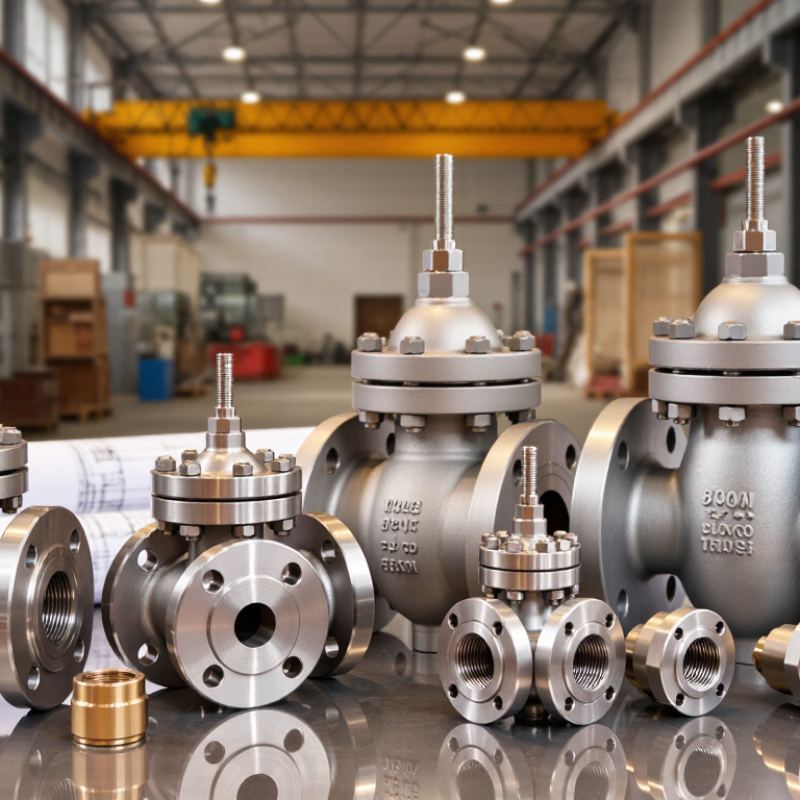
A check valve allows fluid to move in one direction and closes when reverse flow begins. Its disc, spring, hinge, or piston reacts to pressure changes inside the pipeline. The choice looks simple. It is not. A poorly matched valve may slam shut, create water hammer, or leak under low pressure. Field experience shows that flow direction, medium, temperature, pressure, and installation space must be checked together.
Manufacturer selection matters because design quality controls response time, sealing performance, and service life. The U.S. Department of Energy reports that compressed-air leaks can waste 20–30% of compressor output, although leakage is not caused by check valves alone. This figure still shows why small sealing failures deserve attention. Ask for pressure-test records, material certificates, dimensional drawings, and maintenance guidance. ISO 5208 provides recognized leakage-testing methods for industrial valves, making test evidence more useful than general promises.
Do not choose by price alone. A valve that closes too quickly may protect against reverse flow but increase pressure shock. A softer spring may reduce cracking pressure yet fail in unstable service. That trade-off is often overlooked. Manufacturers should explain test conditions, allowable back pressure, and expected cycle life. Their technical answers reveal more than polished catalogs. Independent inspection remains wise. Even experienced buyers can select the wrong trim when actual fluid conditions differ from the specification. Feedback from operators after installation should influence the next purchase.
| Check Valve Type | Operating Principle | Typical Pressure Range | Common Size Range | Installation Position | Flow and Pressure-Loss Characteristics | Common Materials | Relevant Standards | Typical Applications | Key Manufacturer Evaluation Criteria |
|---|---|---|---|---|---|---|---|---|---|
| Swing Check Valve | A hinged disc opens with forward flow and closes when flow reverses. | Class 150–600 or approximately PN10–PN100, depending on design and material. | DN50–DN1200 and larger for selected designs. | Primarily horizontal; some designs are suitable for vertical upward flow. | Low pressure loss at stable flow rates; may be unsuitable where severe water hammer is expected. | Carbon steel, stainless steel, ductile iron, alloy steel, and corrosion-resistant trim. | API 6D, API 594, ASME B16.34, EN 12334, and API 598 where applicable. | Water systems, oil and gas pipelines, process lines, and cooling-water systems. | Confirm hinge strength, disc travel, seat design, closure performance, and test documentation. |
| Wafer Dual-Plate Check Valve | Two spring-loaded plates open around a central hinge and close quickly when flow decreases. | Class 150–1500 or approximately PN10–PN250, depending on construction. | DN50–DN1000 is common. | Suitable for horizontal and many vertical-upward installations; verify the manufacturer’s flow-direction requirements. | Compact and lightweight with relatively low pressure loss; spring response can reduce reverse-flow duration. | Ductile iron, carbon steel, stainless steel, duplex stainless steel, and nickel alloys. | API 594, API 6D, ASME B16.34, EN 16767, and API 598 where applicable. | Refineries, chemical plants, power generation, water treatment, and compact piping systems. | Check face-to-face dimensions, spring material, minimum flow velocity, leakage class, and installation compatibility. |
| Lift Check Valve | A guided piston or disc lifts vertically from the seat under forward pressure and returns to the seat during reverse flow. | Class 150–2500 or approximately PN16–PN420, depending on design. | DN15–DN500 is typical. | Usually horizontal; certain piston designs are available for vertical upward flow. | Good shutoff capability, but pressure loss is generally higher than that of a full-port swing valve. | Forged carbon steel, stainless steel, alloy steel, and hard-faced trim materials. | ASME B16.34, API 602, API 6D, EN 16767, and API 598 where applicable. | High-pressure steam, process piping, boiler systems, and high-temperature services. | Evaluate guided-disc stability, seat wear resistance, pressure-temperature rating, and repairability. |
| Axial or Nozzle Check Valve | A spring-loaded axial disc or piston moves along the pipeline centerline to control forward and reverse flow. | Class 150–2500 or approximately PN16–PN420, depending on the pressure class. | DN25–DN1200, subject to the design and service conditions. | Horizontal and vertical installations are commonly available. | Fast closure and short face-to-face length; suitable designs can provide low pressure loss and reduced water hammer. | Carbon steel, stainless steel, duplex stainless steel, nickel alloys, and elastomeric seat materials. | API 6D, API 594, ASME B16.34, EN 16767, and API 598 where applicable. | Gas transmission, compressor discharge, LNG systems, high-speed pumps, and critical process lines. | Verify dynamic response, spring sizing, flow coefficient, noise control, and fatigue-test capability. |
| Ball Check Valve | A ball moves away from the seat during forward flow and returns to the seat under gravity, spring force, or reverse pressure. | Typically PN6–PN100 or Class 150–600, depending on the housing and ball design. | DN15–DN300 is common. | Horizontal or vertical installation may be possible; confirm the specified flow direction. | Reliable for many contaminated or viscous fluids; pressure loss depends on ball geometry and internal passage size. | Ductile iron, cast steel, stainless steel, aluminum bronze, and rubber-coated or polymer balls. | EN 12334, EN 16767, ASME B16.34, and applicable pipeline or water-service test standards. | Wastewater, slurry, sewage, drainage, low-pressure water, and pumping systems. | Assess ball clearance, anti-clogging performance, coating durability, seat wear, and solids-handling capability. |
| Non-Slam Check Valve | A spring-assisted disc or piston closes before significant reverse flow develops, limiting impact on the seat. | Class 150–2500 or approximately PN16–PN420, depending on design. | DN25–DN1000 is available across different designs. | Horizontal and vertical installation options are available for many models. | Very fast closure and improved water-hammer control; correct sizing is essential to avoid excessive pressure loss. | Carbon steel, stainless steel, duplex stainless steel, alloy steel, and engineered polymers. | API 6D, API 594, ASME B16.34, EN 16767, and API 598 where applicable. | High-head pumps, compressor systems, power plants, water transmission, and surge-sensitive pipelines. | Request transient-flow analysis, spring-response data, minimum-flow requirements, and documented performance testing. |



Whether your solution requires a single pumping application or an expansive engineered system,
CheckPoint is committed to becoming your partner in excellence.