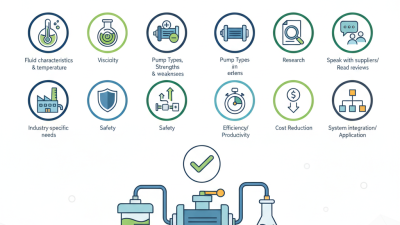
2026 Best Electric Chemical Pump Types for Global Buyers
Choosing the right electric chemical pump is a practical engineering decision, not merely a price comparison. Global buyers must match pump design, chemical compatibility, flow rate, pressure, temperature, and operating conditions. A unit handling dilute cleaning fluid may fail quickly with concentrated acid. Small material errors can create leaks, downtime, and expensive replacement work.
This guide examines the main electric chemical pump types available in 2026, including magnetic drive, diaphragm, centrifugal, peristaltic, and metering designs. Each type offers different strengths. Magnetic drive pumps reduce seal leakage risks, while diaphragm pumps suit accurate dosing and challenging fluids. Peristaltic pumps protect the liquid from contact with moving parts, but their tubes require regular inspection. Centrifugal models can deliver efficient continuous transfer, although they may perform poorly with viscous or abrasive chemicals.
Details matter. Buyers should check wetted materials, motor protection, seal construction, electrical ratings, and spare-part availability. Request test data, certification documents, and clear performance curves from established manufacturers. Local service capability also matters when a pump stops beside a storage tank at midnight.
There is no universal winner.
This review uses practical selection criteria and recognized engineering considerations. Still, published specifications may not reflect every installation. Real chemical concentration, ambient temperature, and operator habits can change performance. Buyers should validate assumptions through site testing, supplier consultation, and documented risk assessment before ordering. Safety must remain central, especially where corrosive, toxic, or flammable chemicals are present.
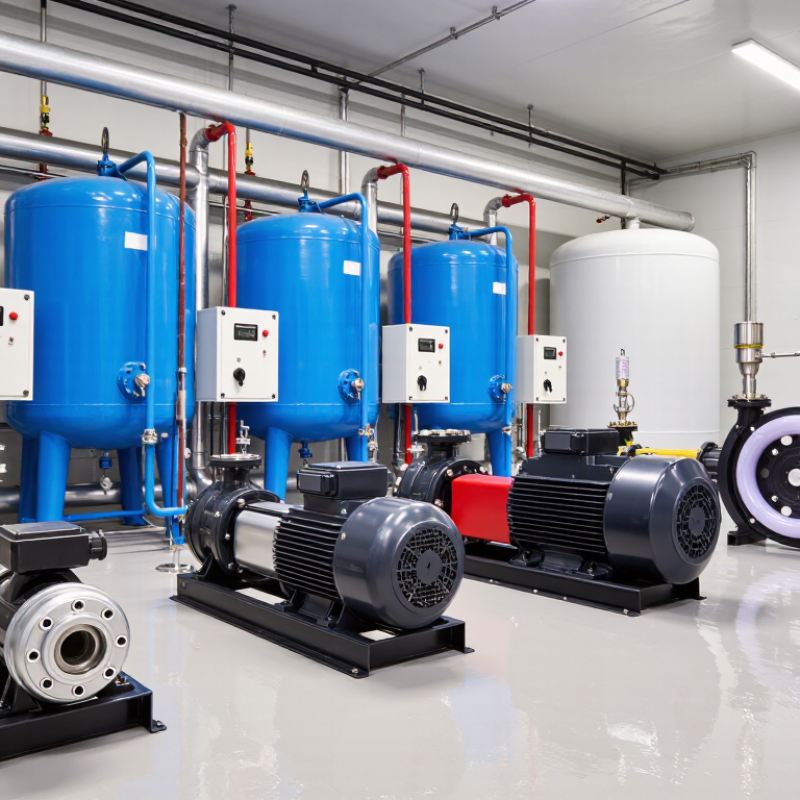
What Electric Chemical Pumps Are and How They Work
Electric chemical pumps move acids, alkalis, solvents, and treatment fluids with controlled electrical power. Their main purpose is accurate transfer, dosing, or circulation. Unlike simple water pumps, they must resist corrosion and prevent fluid contamination.
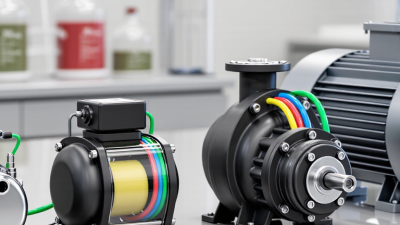
The motor creates rotary or reciprocating movement inside the pump. A diaphragm pump uses a flexible membrane to draw liquid through an inlet valve. It then pushes the liquid through an outlet valve. A magnetic-drive pump transfers rotation without a direct shaft seal. This design can reduce leakage risks. Peristaltic pumps squeeze a flexible tube, keeping the chemical inside the tubing.
Small details matter. Material selection should match the chemical concentration, temperature, and pressure. Engineers commonly compare wetted parts, flow range, head pressure, power supply, and control accuracy. A pump rated for mild cleaning fluid may fail quickly with concentrated chemicals. Labels alone are not enough.
In practical installations, operators check tubing, seals, valves, and calibration regularly. Air bubbles can reduce dosing accuracy. Unexpected heat can also change viscosity and flow. No pump behaves perfectly. Real systems need adjustment after installation. I would not choose a pump from flow rate alone. The best type depends on the fluid, duty cycle, control method, and maintenance conditions.
2026 Best Electric Chemical Pump Types for Global Buyers
Electric chemical pumps transfer, meter, or circulate corrosive and hazardous fluids by converting motor power into controlled fluid movement. The chart compares representative upper operating values commonly associated with four major pump types.
How to read the chart: Magnetic-drive centrifugal pumps are generally suited to high-flow circulation with moderate pressure. Diaphragm metering pumps provide accurate dosing at higher pressure. Peristaltic pumps are useful for abrasive, viscous, or shear-sensitive fluids, while gear pumps deliver steady flow and can operate at comparatively high pressure. Actual performance depends on chemical compatibility, viscosity, temperature, speed, piping, and seal or lining materials.
Main Electric Chemical Pump Types and Their Operating Principles
2026 Best Electric Chemical Pump Types for Global Buyers
Main Electric Chemical Pump Types and Their Operating Principles
Electric chemical pumps differ by how they move liquid, control flow, and resist corrosion. Centrifugal pumps use a rotating impeller to create velocity and pressure. They suit steady transfer duties, especially when the liquid has low to medium viscosity. Magnetic-drive pumps transmit motor power through a sealed magnetic coupling. This design removes the shaft seal, reducing leakage risk during continuous operation. Diaphragm metering pumps use a motor-driven diaphragm to displace measured volumes. They are useful for dosing acids, alkalis, and treatment chemicals. Peristaltic pumps compress flexible tubing, pushing liquid forward without direct contact with internal mechanisms.
Field experience shows that operating conditions matter more than pump labels. A pump handling a warm solvent may perform differently after several hours. Viscosity, vapor pressure, particle content, temperature, and required flow accuracy should be checked together. A stainless housing may look robust, yet the wetted lining can determine actual service life. This detail is easy to overlook. Engineers should review material compatibility data and confirm electrical requirements for each destination market.
Tips: Compare the chemical concentration at real operating temperature, not only at room temperature. Check suction lift and dry-running limits. Request test data when dosing accuracy is critical. Oversizing is not always safer; it can increase heat, vibration, and energy use. Recheck the selection after installation, because field conditions often expose assumptions made during design.
Safety Standards and Purchasing Checks for Global Buyers in 2026
For global buyers, an electric chemical pump is a safety device, not only a flow machine. The ILO estimated 2.93 million work-related deaths worldwide in 2019. Chemical exposure remains one preventable risk. Select pumps according to IEC 60204-1, IEC 61010-1, and applicable IECEx or ATEX requirements. Hazardous-area classification must match the motor, cable glands, and control panel.
Check the wetted materials against concentration, temperature, and cleaning chemicals. A pump may resist dilute acid but fail quickly with a stronger solution. Review the manufacturer’s chemical compatibility chart and request test evidence. Confirm flow, pressure, suction lift, duty cycle, seal design, ingress protection, grounding, overload protection, and emergency isolation. The declared IP rating is not proof of safe installation. That point is often missed.
Tips:
Ask for certificates, inspection records, and a complete performance curve. Compare the curve at your real operating temperature, not at room temperature. Inspect the sample unit for cracked insulation, loose terminals, and poor sealing. Keep photographs and serial records before shipment. Do not accept “universal chemical resistance” claims without written limits. A small mistake here can become an expensive lesson. Standards guide decisions, but site training and commissioning still decide whether the equipment is truly safe.