


How to Choose an Electric Diaphragm Pump in 2026?
Choosing an electric diaphragm pump in 2026 is not just a matter of comparing prices or reading a flow-rate label. The right choice depends on the liquid, duty cycle, pressure, and installation conditions. A pump handling thin rinse water faces different demands from one moving a thick, abrasive slurry. Temperature, solids, and chemical compatibility matter too. Small details matter.
Pump engineer and author Igor J. Karassik’s work offers a useful selection principle: match the pump to its actual duty, not just its nameplate rating. This is a paraphrase, not a direct quotation. It points to a common mistake: choosing from maximum flow figures alone. Those figures may not reflect performance at the required pressure or with the actual fluid.
This guide explains what to check before choosing an electric diaphragm pump, from flow and pressure requirements to materials, controls, maintenance, and total operating cost. It also considers practical site details, such as available power, hose layout, and how often the pump must run. A tidy specification sheet cannot answer every question. Real installations are messier. If your operating conditions are uncertain, treat the selection as provisional and confirm key details with the manufacturer or a qualified pump specialist. That small pause can prevent poor performance, avoidable wear, and an expensive replacement.
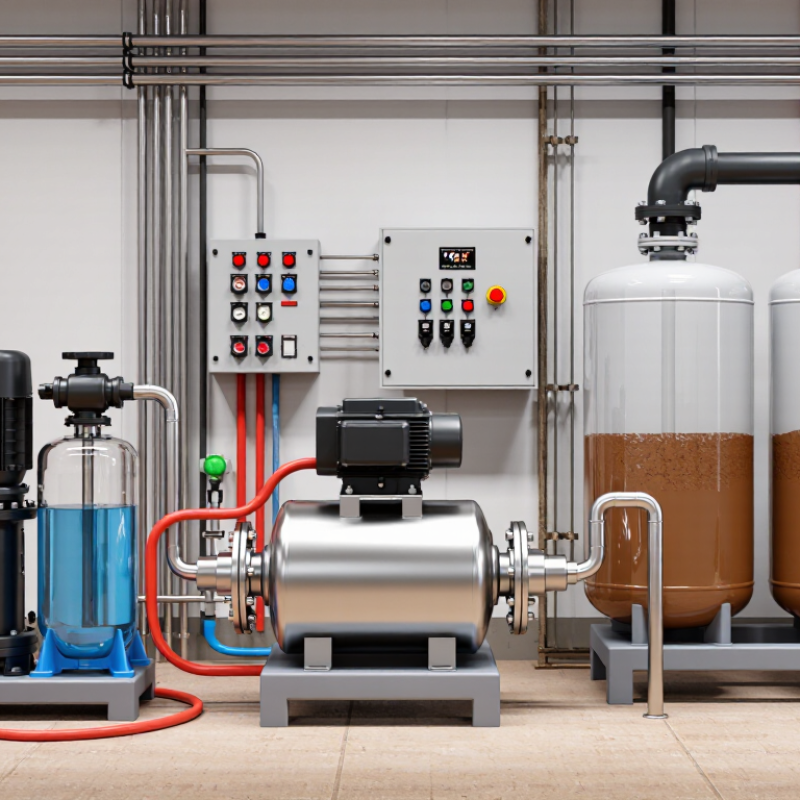
Understand the Fluid and Operating Conditions
How to Choose an Electric Diaphragm Pump in 2026?
Understand the Fluid and Operating Conditions
Start with the fluid, not the pump’s advertised capacity. Record its viscosity, temperature, chemical makeup, and any suspended particles. A thin, cool liquid behaves differently from a thick fluid carrying abrasive solids. Check wetted material compatibility against reliable chemical-resistance data. Small differences matter. Also note whether the fluid foams, settles, or changes during a shift.
Then map the actual operating conditions. Estimate required flow and discharge pressure, and include pipe length, elevation, bends, and filters. Check suction lift and the liquid level at the pump inlet. These details affect performance. Compare the expected duty cycle and temperature range with the pump’s specifications. A quick water test can mislead; water may not represent the fluid used in service. Real conditions are messier than a neat worksheet.
Calculate Required Flow Rate and Discharge Pressure
How to Choose an Electric Diaphragm Pump in 2026?
Calculate Required Flow Rate and Discharge Pressure
Start with the flow your process actually needs, not the pump’s maximum advertised capacity. Add the demand from outlets that may run at the same time. For example, three branches using 4 L/min each require at least 12 L/min combined. Check whether the pump can deliver that flow at your operating pressure; viscosity and suction conditions can reduce actual output. Leave a practical margin, but do not treat one percentage as right for every system.
Tips: Measure the real flow with a container and timer. Record the fluid temperature, too. Small details matter.
Estimate discharge pressure by adding static lift, pipe friction, fittings, filters, and the pressure required at the outlet. A water column about 10 metres high adds roughly 1 bar of pressure, before friction losses. Use pipe length, diameter, flow, and fluid properties to estimate those losses, then compare the result with the pump’s performance data. Select a model whose duty point covers both required flow and pressure. I would review the estimate after installation; real pipe runs often differ from drawings, and extra capacity can cause unnecessary cycling or wear.
Select Pump Materials and Diaphragm Configuration
Chemistry comes first. Record the fluid’s concentration, temperature, suspended solids, and cleaning chemicals; each can affect compatibility. Compare polypropylene, PVDF, and stainless steel against the full exposure, not just the process name. A hot-water flush can swell an elastomer or stress a polymer. Small details matter. NACE’s 2016 IMPACT study estimated global corrosion costs at US$2.5 trillion per year, or 3.4% of global GDP. That figure spans many industries; it provides context, not a pump-failure prediction.
Match diaphragm construction to both fluid and duty. PTFE-facing designs resist many aggressive chemicals, while elastomer diaphragms may offer strong flex endurance but can swell in incompatible fluids. Check the fluid chart. Confirm continuous temperature, pressure, cycle rate, and any dry-running conditions in the technical documentation. For dosing stability, assess the pump’s diaphragm arrangement and whether its flow profile suits the process; do not assume a motor-driven pump produces perfectly steady output. Request compatibility confirmation at your actual concentration and temperature. Charts can be incomplete, so a small wetted-material test may be prudent before committing to a critical line.
Compare Power Supply, Controls, and Safety Features
Start with the power available at the installation point: voltage, phase, and frequency must match the motor nameplate. Check starting current, duty cycle, and ambient temperature, especially if the pump will run for long shifts. A supply that looks adequate on paper may sag when other equipment starts. Small details matter. Confirm cable routing and enclosure protection against dust, moisture, or washdown.
Choose controls around the process, not just the control panel. Variable-speed control can help manage flow, but verify that the pump and motor are designed for it. A pressure gauge, flow indicator, or remote start can make adjustments easier to monitor. Dry-run protection may prevent damage, if the selected system supports it. Check the alarm behavior, too: an alert that is hard to hear or understand is not much help.
Review electrical and mechanical safeguards together. Look for appropriate grounding, overload protection, an accessible emergency stop, and pressure relief suited to the installation. Confirm that wetted materials match the fluid and operating temperature; compatibility charts are useful, but actual conditions can be less tidy than a chart suggests. I would not treat an enclosure rating as proof that every installation is safe. Have a qualified technician check wiring, isolation, and site-specific hazards before commissioning.
Evaluate Efficiency, Maintenance, and 2026 Standards
How to Choose an Electric Diaphragm Pump in 2026?
Evaluate Efficiency, Maintenance, and 2026 Standards
Choose a pump for its real duty point, not its maximum catalog flow. Record fluid viscosity, solids, temperature, suction lift, and daily operating hours.
Compare power input at the required flow and pressure. Then assess whether variable-speed control suits the pump’s operating cycle. Small details matter. An accessible suction line and clean strainer can help prevent avoidable downtime.
For maintenance, request diaphragm and valve service intervals based on your fluid, not just clean-water tests. Track leakage, cycle rate, motor current, and replacement hours; changing trends may reveal wear early.
In 2026, check applicable local requirements for the complete installation. ISO 12100 covers machinery risk assessment, IEC 60204-1 addresses electrical equipment of machines, and IEC 60034-30-1 classifies motor efficiency. These standards do not automatically certify every pump assembly. Verify their scope and required documentation.
I would leave some room for future fluid changes; sizing tightly to today’s conditions can be a costly guess.
Related Posts
-
What Are the Top Types of Electric Diaphragm Pumps?
-
Top 5 Electric Diaphragm Pumps for Efficient Fluid Transfer?
-
What Is an Electric Diaphragm Pump?
-
7 Tips for Choosing an Electric Diaphragm Pump?
-
7 Reasons Why Electric Diaphragm Pumps Are Your Top Choice for Efficient Fluid Management
-
Top 5 Best Electric Diaphragm Pumps for Your Needs?

Whether your solution requires a single pumping application or an expansive engineered system,
CheckPoint is committed to becoming your partner in excellence.