What Is an Electric Diaphragm Pump?
An electric diaphragm pump is a positive-displacement machine that moves liquid through controlled diaphragm movement. An electric motor drives a crank, cam, or gearbox, which flexes the diaphragm inside a sealed chamber. Inlet and outlet check valves then manage flow direction. The principle is simple. The engineering is not.
Unlike many centrifugal pumps, this design can self-prime and handle viscous, abrasive, or chemically aggressive fluids. The sealed diaphragm also separates the liquid from the drive mechanism. That detail matters when transferring coatings, wastewater, detergents, or sensitive process chemicals. However, flow is naturally pulsating, and diaphragm fatigue, valve wear, and motor heat require attention.
Industry data supports the wider importance of efficient pumping. The U.S. Department of Energy’s Pumping Systems Sourcebook states that pumping systems may represent 25% to 50% of industrial facility electricity use. This figure covers complete pumping systems, not every electric diaphragm pump. Still, it shows why motor efficiency, operating pressure, and maintenance deserve careful evaluation. Grand View Research’s industrial pumps market analysis also identifies water, chemical processing, and manufacturing as important demand sectors. These sectors commonly require dependable metering and fluid isolation.
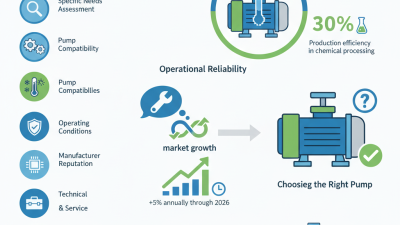
A practical evaluation should examine flow rate, discharge pressure, liquid temperature, viscosity, solids content, and chemical compatibility. It should also consider pulsation dampeners and replacement diaphragm costs. A neat definition can still mislead. Not every application benefits from this pump type. Selecting by price alone may create higher energy use and premature failures. The right electric diaphragm pump balances containment, control, service life, and total operating cost.
Definition and Basic Working Principle of an Electric Diaphragm Pump
What Is an Electric Diaphragm Pump?
An electric diaphragm pump uses an electric motor to move liquid through a flexible diaphragm. The motor turns a crank or eccentric mechanism. This motion pushes and pulls the diaphragm inside a sealed chamber. During the suction stroke, chamber volume increases and liquid enters through the inlet check valve. During the discharge stroke, volume decreases and liquid leaves through the outlet valve. The valves control direction without allowing reverse flow.
The liquid stays separated from the motor and moving drive parts. This design helps handle corrosive fluids, slurries, and liquids containing fine particles. It also reduces leakage risks around the shaft. In practical testing, the pump may pulse visibly at the discharge hose. A dampener can soften this effect, although it cannot remove every pressure fluctuation.
Energy selection deserves attention. The U.S. Department of Energy reports that pumping systems can consume 25–50% of industrial facility energy. The International Energy Agency has also estimated that electric motor systems use about 53% of global electricity. These figures make motor efficiency, speed control, and correct sizing important. Oversizing remains a common mistake. A smaller pump may consume less power, but it can struggle with viscosity, lift, or frequent cycling. Actual performance depends on the liquid, temperature, pipe length, valve condition, and operating duty. Datasheets help, but field measurements often reveal the uncomfortable gaps.
Key Components and How They Function Together
What Is an Electric Diaphragm Pump?
Key Components and How They Function Together
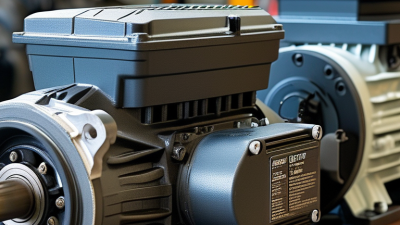
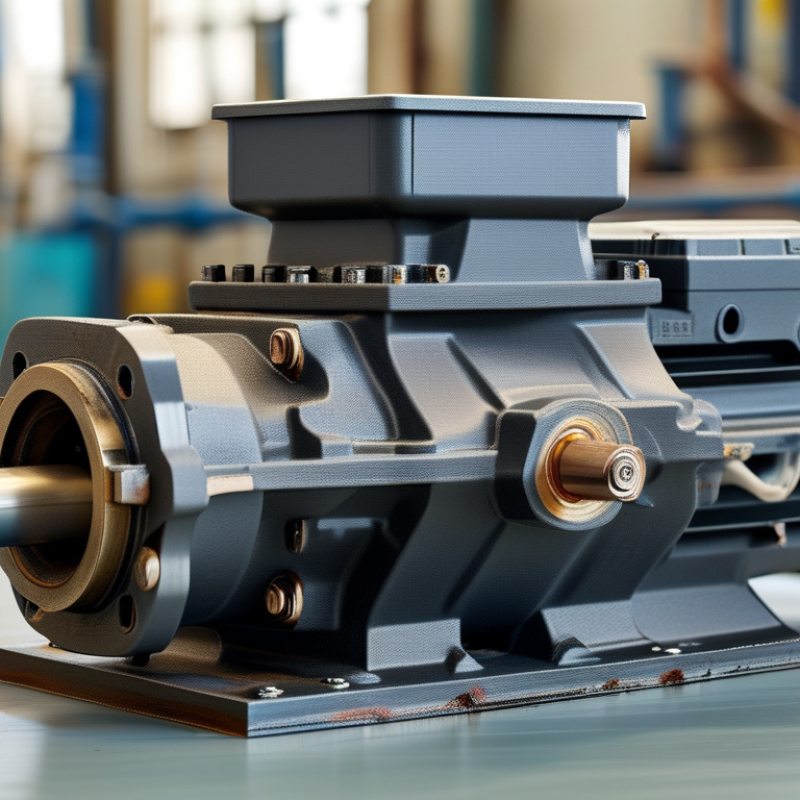
An electric diaphragm pump uses a motor to move liquid without placing the motor inside the fluid. In practical inspections, the motor, gearbox, and drive mechanism deserve close attention. The motor supplies rotation, while the gearbox reduces speed and increases usable torque. An eccentric shaft then converts rotation into a back-and-forth movement.
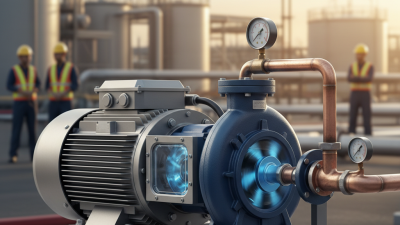
The diaphragm performs the pumping work. As it flexes backward, it lowers pressure inside the chamber and draws liquid through the inlet check valve. As it moves forward, pressure rises and pushes liquid through the outlet valve. These valves must open and close in the correct sequence. Small particles, worn seats, or hardened seals can disturb the flow quickly. The liquid never touches the motor.
The pump housing, manifolds, gaskets, and control system complete the assembly. A controller may adjust motor speed to match changing demand, while sensors can monitor pressure, temperature, or dry-running conditions. That sounds simple. It is not always simple. A pump may run smoothly yet deliver weak flow because of an undersized suction line or trapped air. I have found that installation details often matter as much as the pump itself. Engineers should check fluid compatibility, operating pressure, cable protection, and valve condition before relying on performance figures. Manufacturer data remains useful, but real conditions can expose limits that a test bench does not reveal.
Main Types of Electric Diaphragm Pumps
What Is an Electric Diaphragm Pump?
An electric diaphragm pump uses a motor or electromagnetic drive to flex a sealed diaphragm. This movement creates suction and discharge without placing the liquid inside the drive mechanism. The diaphragm separates the fluid from moving electrical parts, which can improve containment and reduce leakage risks. Its performance still depends on liquid thickness, temperature, pressure, and diaphragm material.
Main Types of Electric Diaphragm Pumps
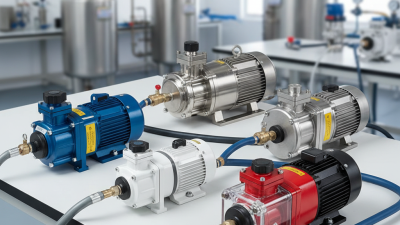
Motor-driven diaphragm pumps use a rotating motor, eccentric cam, or gearbox to produce repeated diaphragm movement. They suit water transfer, dosing, filtration, and general process duties. Fixed-speed models are simple and often economical. Variable-speed models allow better flow control, especially when demand changes during operation.
Solenoid-driven diaphragm pumps use electromagnetic pulses to move the diaphragm. They are compact and useful for accurate low-flow dosing. Many models include adjustable stroke frequency, but their output may decrease under higher pressure. Brushless DC diaphragm pumps offer efficient speed control and longer service intervals than brushed designs. They work well in portable equipment, battery systems, and compact chemical metering units.
Some pumps use a single diaphragm, while others use two diaphragms for smoother delivery. Double-diaphragm designs can reduce pulsation, though they may cost more and require careful valve inspection. In practice, classifications can overlap. A pump may be motor-driven, brushless, and double-diaphragm at once. That detail is easy to miss.
Check the duty cycle, maximum pressure, dry-running limits, and wetted materials before selection. Published flow values often assume ideal conditions. Real installations are less forgiving.
Performance Factors and Suitable Applications
What Is an Electric Diaphragm Pump?
Performance Factors and Suitable Applications
An electric diaphragm pump uses a motor-driven mechanism to move liquid through flexible diaphragms. The diaphragms separate the pumped fluid from moving mechanical parts. This design reduces leakage risks and supports accurate transfer in many systems. It also handles intermittent operation better than some continuous-flow pump designs.
Performance depends on several practical factors. Flow rate and discharge pressure must match the process requirements. Liquid viscosity, temperature, and suspended solids can change output noticeably. Diaphragm material also matters, especially when fluids are abrasive or chemically aggressive. In field testing, published flow rates may appear optimistic. Actual results often fall because of long pipe runs, narrow fittings, or clogged filters. Pulsation is another concern. A pulsation dampener may protect instruments and create smoother delivery. Motor efficiency, speed control, noise, and duty cycle influence operating costs.
These pumps suit dosing systems, water treatment equipment, printing machines, coating lines, and chemical transfer stations. They can also serve food-processing applications when suitable sanitary materials and cleaning procedures are used. For thick liquids, choose a pump with enough torque and a compatible diaphragm. For precision dosing, verify accuracy at the real operating pressure, not only in laboratory conditions. Maintenance remains important. A worn diaphragm can reduce flow before it becomes visibly damaged. That detail is easy to miss. Check seals, connections, and motor temperature regularly.