


7 Tips for Choosing an Electric Diaphragm Pump?
Choosing an electric diaphragm pump is not simply a matter of matching flow rate and price. The correct choice depends on fluid viscosity, solids content, temperature, pressure, duty cycle, and electrical conditions. A pump moving clean water may struggle with abrasive slurry or aggressive chemicals. Small details matter, especially diaphragm material and valve design.
Recent market studies from Grand View Research and MarketsandMarkets identify steady growth in the global diaphragm pump sector. Their reports connect demand with chemical processing, water treatment, food production, and pharmaceutical manufacturing. However, published estimates vary because “diaphragm pump” includes pneumatic, mechanical, and electric models. That difference deserves attention. It can make a comparison look more precise than it really is.
Pump reliability specialist Dr. Lev Nelik is widely associated with this practical systems principle: “The pump is only one part of a pumping system.” That idea should guide every electric diaphragm pump purchase. Consider seven checks: required flow and pressure, wetted materials, power supply, self-priming capability, dry-run tolerance, maintenance access, and total operating cost. A compact unit may fit beneath a process tank, yet still fail if its motor overheats during continuous operation. Likewise, a chemically resistant diaphragm cannot compensate for an unsuitable valve or undersized cable.
No selection method is perfect. Product data sheets may omit real-world cycle limits. Ask for test conditions, service records, and performance curves. Then compare the pump against the actual process, not an ideal laboratory scenario. That discipline improves safety, efficiency, and long-term reliability.
Define the Application and Fluid Requirements
7 Tips for Choosing an Electric Diaphragm Pump?
Define the Application and Fluid Requirements
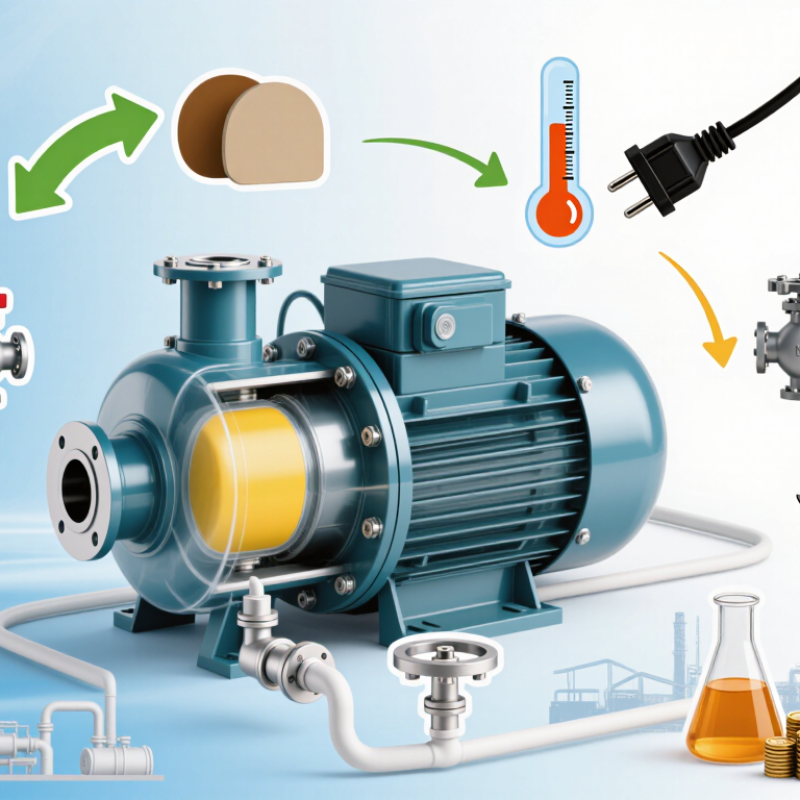
Choosing an electric diaphragm pump begins with the fluid, not the catalog. Record viscosity, temperature, density, solids, vapor pressure, and chemical compatibility. Describe the fluid at startup, during transfer, and after shutdown. A liquid that seems mild at 20°C may attack elastomers at 60°C.
Flow and pressure must be measured together. Include pipe length, elevation, valves, filters, and discharge pressure. The U.S. Department of Energy’s Improving Pumping System Performance sourcebook reports that pumping systems can consume 25% to 50% of industrial facility electricity.
The International Energy Agency’s Energy Efficiency 2023 analysis estimates motor-driven systems use about 53% of global electricity. These figures make operating conditions a financial issue, not merely a technical detail. Oversizing can increase energy use and shorten diaphragm life.
Specify solids carefully. State particle size, concentration, shape, and settling behavior. Ask whether the pump must run dry, self-prime, or handle intermittent duty. In field assessments, users often provide normal flow but omit worst-case viscosity.
That omission can invalidate selection. It is an easy mistake. Test a representative sample when possible, and document every assumption.
A practical choice balances capacity, materials, controls, maintenance access, and the fluid’s real behavior—not its ideal laboratory description.
Match Pump Materials to Chemical Compatibility and Durability Needs
When choosing an electric diaphragm pump, match every wetted material to the chemical, temperature, and pressure. Do not select materials from the fluid name alone. Concentration changes resistance significantly. So does heat.
Check the diaphragm, valves, seats, seals, and manifold together. PTFE often handles aggressive acids, bases, and solvents, but it may flex less effectively in demanding cycles. EPDM can suit many water-based chemicals, yet it performs poorly with oils and some hydrocarbons. FKM offers strong oil resistance, but compatibility with hot caustic fluids requires verification. Polypropylene may reduce cost, while PVDF can provide stronger chemical resistance.
These are starting points, not final answers.
The NACE IMPACT study estimated global corrosion costs at 2.5 trillion dollars, equal to 3.4% of global GDP in 2013. Material selection deserves serious attention. The U.S. Department of Energy also reports that pumping systems can represent 25–50% of industrial electricity use. An efficient electric drive matters, but chemical damage can erase those savings quickly.
Ask for immersion-test data, not just a compatibility chart. Include real concentration, temperature, cleaning chemicals, and operating cycles.
I once treated ambient temperature as the main condition; that was a mistake. A short thermal spike can change the result. Recheck the choice with the chemical supplier and pump engineer before ordering.
Select the Correct Flow Rate, Pressure, and Power Specifications
7 Tips for Choosing an Electric Diaphragm Pump?
Select the Correct Flow Rate, Pressure, and Power Specifications
Tip 1: Define the real flow rate before comparing pumps.
Measure the required output during normal and peak operation. A pump rated at 20 litres per minute may deliver less through narrow hoses, filters, or elevated pipework. I have seen systems fail because designers selected the catalogue maximum. Leave a practical margin, but avoid extreme oversizing. It can cause unstable dosing, wasted energy, and unnecessary diaphragm wear.
Tip 2: Calculate pressure at the pump outlet, not only at the tank.
Include vertical lift, hose friction, valves, filters, and the pressure needed by the receiving equipment. The pressure rating should exceed the working requirement without operating continuously at its limit. Check both continuous and intermittent duty figures. Small details matter here. A blocked filter can change the operating point quickly, although this risk is easy to underestimate.
Tip 3: Match electrical power to the complete load.
Confirm voltage, phase, frequency, starting current, and motor protection requirements. Higher viscosity or colder fluid may demand more torque than expected. Use the pump curve and power data together, rather than choosing by motor size alone. In practical installations, an apparently suitable motor may trip repeatedly when the line becomes restricted. Recheck the selection under the hardest expected conditions.
Evaluate Installation, Control, Maintenance, and Safety Features
7 Tips for Choosing an Electric Diaphragm Pump?
Start with the installation site. Measure liquid viscosity, temperature, solids content, suction lift, and available voltage. Choose a pump with drainable piping and enough space for diaphragm replacement. Keep cable glands above splash zones. The U.S. Department of Energy’s Improving Pumping System Performance sourcebook notes that pumping systems can consume 25–50% of industrial facility electricity. Therefore, check motor efficiency, duty cycle, and flow control instead of comparing purchase prices alone. Tip two: confirm the required flow at actual discharge pressure. Tip three: select corrosion-resistant wetted materials. Small errors matter.
Control features deserve equal attention. A variable-speed drive can reduce throttling losses, but only when the motor and controller match correctly. Add pressure, dry-run, overload, and leak detection where failure could interrupt production. Tip four: inspect the control panel’s enclosure rating and emergency isolation method. Tip five: choose a design that records operating hours and fault codes. These details support maintenance planning. The U.S. DOE Pumping System Assessment Tool recommends measuring operating conditions rather than relying on assumptions. I have seen sizing decisions based on catalog maximums; that approach often creates unstable flow.
Maintenance access should be visible, not theoretical. Provide room for fastener removal, diaphragm inspection, and filter cleaning. Tip six: ask for documented service intervals and spare-part compatibility. Tip seven: review guarding, grounding, and restart protection against ISO 12100 and applicable electrical safety requirements. The International Labour Organization reports millions of occupational injuries annually worldwide, so a convenient pump is not automatically a safe pump. Even experienced teams miss one detail: chemical exposure can weaken elastomers faster than expected. Check the fluid compatibility chart again.
7 Tips for Choosing an Electric Diaphragm Pump
Evaluate installation, control, maintenance, and safety features before selecting a pump.
The chart presents a practical engineering evaluation framework. Control performance, installation requirements, material compatibility, maintenance access, and safety should be assessed against the fluid, flow rate, discharge pressure, operating environment, and duty cycle. The percentages are planning weights, not brand or manufacturer data.
Compare Total Cost, Reliability, and Supplier Support
Choosing an electric diaphragm pump requires more than comparing purchase prices. Examine energy use, flow accuracy, material compatibility, maintenance access, spare parts, warranty terms, and supplier response time. The U.S. Department of Energy reports that motor-driven systems consume about 69% of industrial electricity in the United States. Therefore, motor efficiency and control quality can materially affect operating costs.
Ask for a total-cost model covering electricity, diaphragm replacement, downtime, installation, and disposal. A pump with a lower purchase price may need frequent seal or diaphragm changes. That difference becomes visible beside a chemical drum or wastewater line. ISO 14224 recommends consistent failure and maintenance data, which helps buyers compare reliability using evidence rather than sales claims. Request tested cycle-life data, dry-run limits, pulsation performance, and documented compatibility for the actual fluid. Still, laboratory results do not perfectly predict field behavior.
Supplier support matters when production stops at 2 a.m. Check spare-part availability, technician training, remote troubleshooting, and guaranteed response times. The U.S. DOE Pumping System Assessment Tool also encourages evaluating operating conditions, maintenance, and energy together. Keep those records. They reveal whether a pump is genuinely economical. One overlooked issue is local service coverage. I have seen buyers focus on efficiency, then wait weeks for a basic diaphragm kit. That is an expensive lesson, and sometimes an avoidable one.
Related Posts
-
What Is an Electric Diaphragm Pump?
-
What Are the Top Types of Electric Diaphragm Pumps?
-
7 Reasons Why Electric Diaphragm Pumps Are Your Top Choice for Efficient Fluid Management
-
Top 5 Electric Diaphragm Pumps for Efficient Fluid Transfer?
-
Top 10 Benefits of Solar Pumps for Sustainable Water Solutions
-
2026 Best Treatment Pumps for Effective Health Management?

Whether your solution requires a single pumping application or an expansive engineered system,
CheckPoint is committed to becoming your partner in excellence.