China Best Chemical Metering Pump Manufacturers?
Choosing among China’s leading manufacturers requires more than comparing catalog prices. A chemical metering pump must deliver a controlled dose under real operating conditions. Check the fluid’s concentration, temperature, viscosity, and compatibility with wetted materials. Then examine capacity, pressure range, turndown, and adjustment accuracy. Small details matter. A seal that suits clean water may not suit a corrosive process fluid.
Engineer and author Henry Petroski wrote, “Science is about knowing; engineering is about doing.” That distinction fits pump selection well. Published specifications help, but practical evidence matters too. Ask manufacturers for performance curves, material data, calibration procedures, and references from comparable applications. If the pump will handle a pulsing or abrasive liquid, request details about its diaphragm, check valves, and maintenance requirements. A clear answer is useful. A vague promise is not.
This guide compares Chinese manufacturers by product range, technical documentation, customization, quality controls, and after-sales support. It also considers whether suppliers explain limitations, not just advantages. That part is easy to overlook. No single brand is best for every plant, and online specifications may leave important questions unanswered. Treat the shortlist as a starting point; verify claims against your process conditions and operating records. The aim is a dependable match, not the lowest quoted number.
What Chemical Metering Pumps Do and Where They Are Used
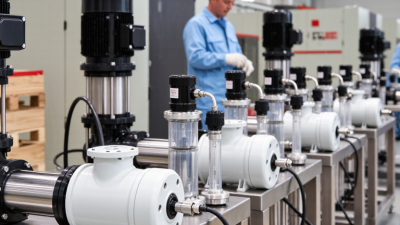
Chemical metering pumps deliver small, controlled volumes of liquid into a process line. A motor or solenoid drives a diaphragm or piston, while stroke length and frequency help set the feed rate. At a treatment plant, an operator might dose coagulant into flowing water. The pump must maintain a steady rate as pressure changes. Small errors matter.
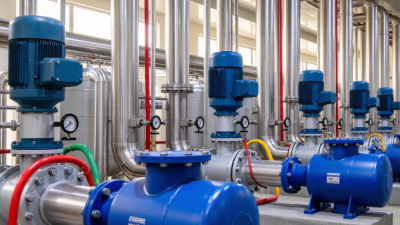
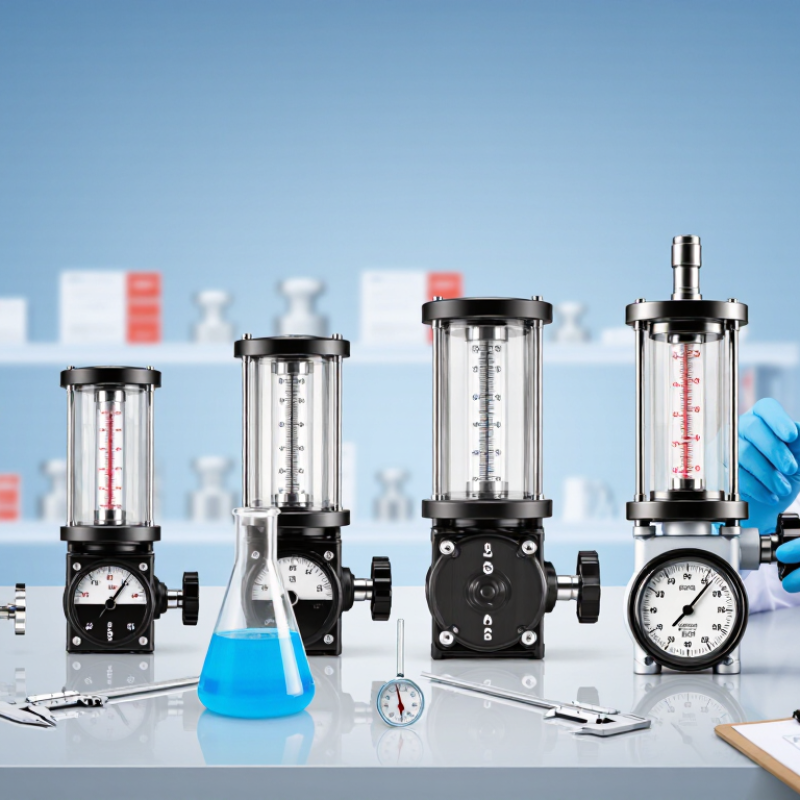
These pumps are used in water and wastewater treatment, chemical processing, food production, and power facilities. Common duties include adding pH-control agents, corrosion inhibitors, disinfectants, or nutrients to a tank or pipe. Materials matter: a compatible pump head, seals, and tubing help prevent leaks and early wear. Before installation, check fluid concentration, viscosity, temperature, suction lift, and discharge pressure against the pump’s operating range. A calibration column can show whether actual output matches the setting, though readings may drift. Air bubbles, clogged injection points, or worn valves can cause uneven dosing, so routine inspection is essential. Choosing a pump by flow rate alone is tempting, but incomplete. Even a minor seal mismatch can turn a tidy dosing cabinet into a cleanup task.
How to Assess Chemical Metering Pump Manufacturers in China
Assess a chemical metering pump manufacturer by how clearly it connects pump design to your process. Share the fluid’s concentration, temperature, viscosity, operating pressure, and required dosing range. A pump that performs well with clean water may behave differently with a viscous or crystallizing liquid. Details matter. Ask for expected accuracy across the full turndown range, not just at one test point.
Review wetted-part material recommendations against the actual chemical and temperature. Request flow-pressure curves, calibration records, material certificates, and a written factory test procedure. Check whether tests cover leakage, repeatability, and operation at your stated pressure. Ask for evidence. A credible technical team should explain assumptions and limitations rather than promise universal compatibility. If a material choice is unclear, ask for its technical basis and verify it with a qualified specialist.
Visit or audit the production site when practical. Observe machining, diaphragm assembly, inspection records, and how rejected parts are handled. Ask who provides commissioning support, how quickly common spares ship, and whether troubleshooting guidance is available in English. Speak with customers using comparable fluids and duty cycles; water-service references alone offer limited proof. A polished audit still cannot predict every field condition, so compare documentation, serviceability, and response time alongside price. Plan acceptance criteria before placing the order.
Leading Chinese Manufacturers and Their Product Specialties
China Best Chemical Metering Pump Manufacturers?
Chinese manufacturers offer several distinct specialties. Some focus on solenoid-driven diaphragm pumps for compact water-treatment skids. Others build motor-driven diaphragm or plunger pumps for higher pressure and steadier output. Integrated suppliers may also provide dosing packages with tanks, pulsation dampeners, calibration columns, and control panels. These differences matter at installation. A pump that fits a catalogue specification may still struggle with viscous fluid or unstable suction.
The Grand View Research Chemical Pumps Market report valued the global market at USD 7.31 billion in 2023 and projected 4.8% annual growth from 2024 to 2030. This wider market includes more than metering pumps, so it is useful context, not a direct measure of dosing-pump demand. Small details matter. Ask manufacturers for flow accuracy across the operating range, wetted-material compatibility, and test records at your actual back pressure. A polished brochure is not a performance curve.
For corrosive dosing, compare diaphragm materials and seal design. For precise, low-volume injection, check turndown ratio and calibration procedure. Request a sample test report, spare-parts list, and clear service response times. One caution: published accuracy may depend on ideal conditions. The gap between a laboratory test and a real plant is worth discussing before purchase.
How to Compare Pump Performance, Compliance, and Support
China Best Chemical Metering Pump Manufacturers?
Comparing chemical metering pumps means looking beyond the rated flow on a product sheet. Ask for test data at your actual backpressure, fluid viscosity, and operating temperature. A pump that delivers accurately with water may behave differently with a viscous process chemical. Small details matter. Check turndown range, repeatability, pulsation, and whether flow can be verified during operation. Ask for evidence, not only claims.
Compliance should match the installation and the chemicals being handled. Review material compatibility charts, calibration records, inspection reports, and traceability documents. Confirm that certificates apply to the specific model and configuration, not just the product family. I would not treat a polished certificate as proof of long-term reliability; operating conditions can expose weaknesses that a brief factory test misses. That deserves a closer look.
Support is often easiest to judge before an order. Ask how quickly common spare parts can ship, whether manuals include clear maintenance steps, and who can help diagnose unstable dosing. A short technical call can reveal how carefully a supplier understands your application. Compare commissioning guidance and response arrangements, too. Price still matters, but downtime, recalibration, and unclear service can make a lower initial quote costly.
China Chemical Metering Pump Manufacturers: How to Compare Performance, Compliance, and Support
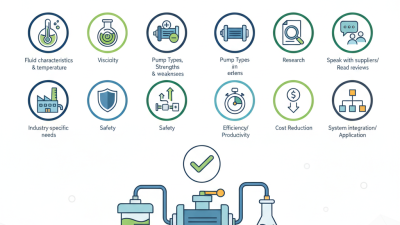
Normalize quoted flow rates before comparing pump performance. These bars show equivalent flow-unit conversions—not manufacturer specifications.
For a complete comparison, also verify the operating pressure and dosing accuracy at your required conditions, check applicable certifications and standards (for example, API 675 for controlled-volume pumps), and assess spare-parts availability and service response. ISO 9001 relates to quality management; it is not a pump performance rating.
Choosing a Manufacturer for Your Application and Budget
Choosing a chemical metering pump manufacturer starts with the process, not the price tag. Record the target flow, discharge pressure, dosing range, fluid temperature, and whether the liquid contains solids. Confirm wetted materials against the chemical and its concentration using documented compatibility data, not just a quick verbal assurance. Small details matter. A pump that handles water may not handle a concentrated or viscous solution reliably.
Ask how the manufacturer verifies flow at your operating pressure, not only at a bench setting. Request calibration records, operating limits, maintenance intervals, and a clear list of included accessories. For a tight budget, compare the full cost: pump, controls, installation, spare diaphragms or seals, and potential downtime. The lowest quotation can become expensive. Still, a low initial price is not automatically a poor choice.
Check whether technical support can help troubleshoot dosing drift, air in suction lines, or changing backpressure. Ask about response times and spare-part availability in practice. A supplier should explain trade-offs plainly, including when a simpler pump is sufficient. A spreadsheet can make the decision seem certain; real fluid behavior may prove otherwise. Leave room for a site trial or commissioning adjustment when process conditions are uncertain.