

China Top 10 Chemical Metering Pump Manufacturers?
China’s chemical metering pump sector has grown from basic dosing equipment into a technically capable manufacturing field. Today, Chinese suppliers serve water treatment, mining, chemical processing, food production, and pharmaceutical plants. However, choosing a reliable chemical metering pump requires more than comparing prices or reading product catalogs.
This guide examines ten leading Chinese manufacturers through practical criteria. These include dosing accuracy, pressure stability, diaphragm life, material compatibility, control options, testing procedures, and after-sales support. A pump handling sodium hypochlorite needs different wetted materials from one dosing sulfuric acid. PTFE, PVDF, ceramic, and 316L stainless steel each respond differently to chemicals, temperature, and pressure. Small details matter. A calibration cylinder, visible tubing, or properly sized pulsation dampener can influence daily performance.
Reliability authority R. Keith Mobley wrote, “The objective of maintenance is to maintain the inherent reliability of the equipment.” That principle applies strongly to metering systems. Even an excellent pump can fail when operators ignore calibration, dry running, suction conditions, or replacement intervals. The opposite is also true. A modest pump may perform well when correctly selected and maintained.
This ranking is not absolute. Supplier capabilities change, and published specifications may not reveal field performance. Buyers should request test records, material certificates, reference projects, and service details before making a decision. We also recognize one weakness in this comparison: public information is not equally available for every manufacturer. Therefore, the following list should support technical evaluation, not replace it.
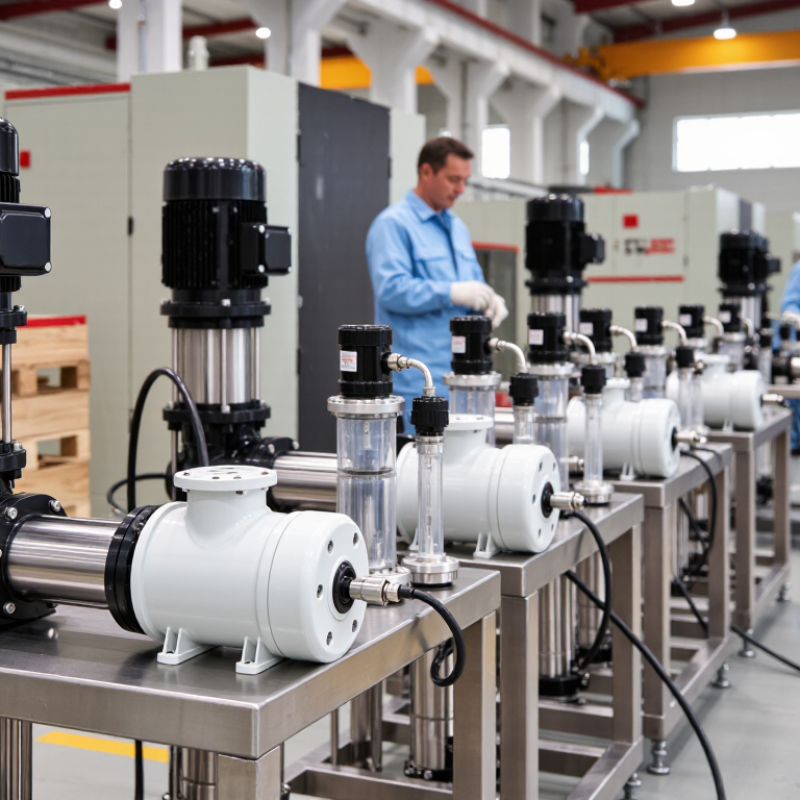
Chemical Metering Pumps: Definition, Types, and ±1% Dosing Accuracy
Chemical metering pumps deliver measured liquid volumes at controlled intervals. They support water treatment, process manufacturing, and industrial cleaning systems. According to Grand View Research’s 2024 market report, the global metering pump market was valued at roughly USD 6.5 billion in 2023. This demand reflects tighter process control and chemical-use monitoring.
Diaphragm pumps separate the liquid from moving parts, reducing leakage risks. Plunger pumps suit higher pressures and stable, low-viscosity fluids. Peristaltic pumps handle abrasive or shear-sensitive chemicals through flexible tubing. Practical selection depends on flow rate, pressure, viscosity, temperature, and chemical compatibility. Small details matter.
A stated ±1% dosing accuracy usually requires calibrated operation. It does not guarantee identical results in every installation. Stroke length, pulsation, trapped air, back pressure, and worn tubing can shift actual output. ANSI/Hydraulic Institute standards emphasize testing under defined hydraulic conditions, while ISO 9001-based quality systems support traceable calibration records. Field testing should use a graduated cylinder, weighing scale, or flow sensor. A 100-liter target may allow only about one liter of deviation. That margin disappears quickly in a 24-hour process. I have seen specifications look excellent on paper, yet installation errors weakened performance. Manufacturers should report accuracy, repeatability, test conditions, and calibration intervals separately.
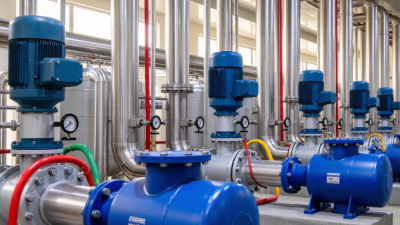
How China’s Top 10 Manufacturers Are Ranked by Flow, Pressure, and Materials
China Top 10 Chemical Metering Pump Manufacturers
Ranking China’s top ten chemical metering pump manufacturers requires more than checking production volume. Flow accuracy, pressure stability, and material compatibility should carry the greatest weight. A useful comparison begins with measured dosing ranges, repeatability tests, and performance under continuous operation.
Flow capacity shows whether a pump fits laboratory dosing or large treatment systems. Pressure ratings reveal how reliably it handles backpressure, clogged lines, and long discharge routes.
Materials matter just as much. PTFE diaphragms, PVDF heads, ceramic components, and 316L stainless steel suit different chemical conditions. One material cannot solve every problem.
A professional ranking should combine factory audits, test records, customer references, and after-sales response. Engineers should inspect calibration data rather than trust catalogue figures alone.
Small errors become expensive in continuous dosing. Very important.
Manufacturers with stable output across low and high flow rates deserve stronger consideration. However, a neat ranking can still mislead when testing conditions differ.
I would record ambient temperature, fluid viscosity, suction lift, and operating hours before assigning a final position.
Field experience often exposes weaknesses that laboratory tests miss. Some suppliers also provide excellent pumps but limited technical support, which deserves a lower practical score.
Profiles of China’s Top 10 Chemical Metering Pump Manufacturers
China Top 10 Chemical Metering Pump Manufacturers?
China’s top ten chemical metering pump profiles reflect different engineering strengths, not identical products. This editorial comparison examines diaphragm, plunger, solenoid, hydraulic, and peristaltic designs. It also reviews material selection, flow accuracy, pressure stability, export experience, and after-sales support.
Grand View Research reports that Asia-Pacific remains the largest regional market for chemical pumps. MarketsandMarkets also forecasts steady growth in metering pump demand through 2028, driven by water treatment, refining, pharmaceuticals, and specialty chemicals. These reports support China’s manufacturing importance, but they do not prove every supplier offers equal performance. Some evidence is thin. In factory audits, practical details matter: a 316L wetted head, PTFE diaphragm, calibrated relief valve, and stable output at low stroke rates. The strongest ten profiles usually show testing records, traceable materials, documented tolerances, and compliance with relevant international standards, including API 675 where applicable.
Tips: Ask for a real performance curve, not only a catalogue value. Check accuracy at both minimum and maximum flow. Request noise data, spare-part lead times, seal compatibility, and a sample inspection report. A low purchase price can hide calibration work, frequent diaphragm replacement, or difficult remote commissioning. I would also verify the claimed 1% accuracy under your actual chemical temperature and viscosity. Manufacturers sometimes publish ideal laboratory results.
Key Technologies: Diaphragm Design, 0.1–10,000 L/h Flow, and 400 bar Pressure
China Top 10 Chemical Metering Pump Manufacturers: Diaphragm Design, Flow, and Pressure
Selecting a chemical metering pump requires more than comparing catalog prices. The diaphragm is the working barrier between the process fluid and the drive mechanism. PTFE handles many aggressive chemicals, while reinforced elastomers may suit less demanding services. Material compatibility must include concentration, temperature, and cleaning conditions. Small oversights become expensive failures.
A reliable pump should control flow from 0.1 to 10,000 L/h without losing repeatability. Low-flow dosing needs stable stroke adjustment and accurate check valves. High-flow systems demand strong hydraulic channels and careful pulsation control. At 400 bar, diaphragm stress, sealing quality, and pressure relief design become critical. A thicker diaphragm is not automatically better. It may reduce flexibility and dosing accuracy.
Field commissioning often exposes the gap between laboratory data and plant reality. Gas bubbles, uneven suction lines, and changing fluid viscosity can distort readings. Operators should verify calibration at actual pressure and temperature. Digital monitoring helps detect abnormal discharge pressure or diaphragm damage early. No pump is perfect. Even experienced engineers can underestimate pulsation. A practical specification should state turndown ratio, wetted materials, maximum pressure, flow tolerance, and maintenance access. A clear test record also makes manufacturer comparisons more reliable.
China Top 10 Chemical Metering Pump Manufacturers? - Key Technologies: Diaphragm Design, 0.1–10,000 L/h Flow, and 400 bar Pressure
| No. | Pump Configuration | Diaphragm Design | Typical Flow Range | Maximum Pressure | Typical Dosing Accuracy | Common Wetted Materials | Control and Monitoring | Typical Applications |
|---|---|---|---|---|---|---|---|---|
| 1 | Solenoid-driven diaphragm pump | PTFE-faced elastomer diaphragm; fixed or adjustable stroke | 0.1–20 L/h | Up to 10 bar | ±2% to ±3% | PVC, PVDF, PTFE, 316L stainless steel | Manual stroke/frequency adjustment; pulse input on selected models | Water treatment, pH correction, laboratory dosing |
| 2 | Motor-driven mechanical diaphragm pump | Mechanically actuated PTFE or composite diaphragm | 1–500 L/h | Up to 25 bar | ±1% to ±2% | PVC, PVDF, PTFE, 316L stainless steel | Variable-speed drive, stroke adjustment, low-level alarm | Coagulant, antiscalant, disinfectant, and reagent dosing |
| 3 | Hydraulically actuated diaphragm pump | Hydraulic oil-backed diaphragm with pressure-limiting protection | 5–2,000 L/h | Up to 100 bar | ±1% | 316L stainless steel, alloy materials, PTFE | Flow feedback, pressure relief, remote speed control | Petrochemical processing, boiler chemicals, industrial water treatment |
| 4 | Double-diaphragm process pump | Two diaphragms with leak-detection chamber | 10–5,000 L/h | Up to 250 bar | ±1% to ±1.5% | 316L stainless steel, PTFE, Hastelloy-type alloys | Diaphragm failure sensor, pressure transmitter, PLC integration | Toxic, corrosive, or environmentally sensitive process chemicals |
| 5 | Plunger-assisted diaphragm pump | Reinforced PTFE diaphragm supported by a hydraulic chamber | 20–10,000 L/h | Up to 400 bar | ±1% | 316L stainless steel, duplex steel, nickel alloys | Hydraulic pressure monitoring, VFD, automatic stroke control | High-pressure injection, refinery processes, polymer and catalyst dosing |
| 6 | Pneumatic double-diaphragm pump | Flexible elastomer or PTFE diaphragms with air distribution system | 1–7,000 L/h | Up to 8 bar | Typically ±5% | PP, PVDF, PTFE, aluminum, stainless steel | Air regulator, cycle counter, flow-control valve | Slurries, viscous chemicals, drum unloading, intermittent transfer |
| 7 | Electronic metering diaphragm pump | Precision molded diaphragm with electronically controlled stroke | 0.5–300 L/h | Up to 30 bar | ±1% | PVDF, PTFE, ceramic, 316L stainless steel | 4–20 mA, pulse, Modbus, flow-meter feedback | Automated water treatment and proportional chemical dosing |
| 8 | Sanitary diaphragm metering pump | Hygienic diaphragm head with crevice-minimized fluid path | 0.2–1,000 L/h | Up to 20 bar | ±1% to ±2% | 316L stainless steel, PTFE, FDA-compliant elastomers | Batch control, recipe management, CIP-compatible design | Food ingredients, pharmaceutical fluids, and hygienic chemicals |
| 9 | Corrosion-resistant polymer diaphragm pump | PTFE diaphragm with reinforced backing and non-metallic head | 0.1–600 L/h | Up to 16 bar | ±1.5% to ±3% | PVDF, PTFE, PP, ceramic, silicon carbide | Manual or automatic flow control; chemical-resistant sensors | Acids, alkalis, sodium hypochlorite, and aggressive reagents |
| 10 | Multi-head synchronized diaphragm pump | Multiple hydraulically balanced diaphragms for reduced pulsation | 50–10,000 L/h | Up to 250 bar | ±1% | 316L stainless steel, duplex steel, PTFE, alloy steel | Common-drive synchronization, pulsation dampener, PLC/SCADA interface | Large-scale chemical plants, water infrastructure, and process injection |
Note: The performance figures are representative industry ranges for chemical metering pump configurations. Actual capacity, pressure, accuracy, material compatibility, and service life depend on the pump model, liquid properties, temperature, viscosity, installation conditions, and operating point.
Applications, Certifications, and Selection Criteria for Chemical Dosing Pumps
China Top 10 Chemical Metering Pump Manufacturers: Applications, Certifications, and Selection Criteria
When assessing China’s top ten chemical metering pump manufacturers, application fit matters more than rankings. Water treatment remains a major demand area. UN-Water reports that about 80% of global wastewater is discharged without adequate treatment. Accurate dosing supports pH control, disinfection, coagulation, and corrosion management. Chemical plants also use metering pumps for catalysts, solvents, additives, and high-viscosity fluids. Pharmaceutical facilities require cleanable designs, stable flow, and traceable materials. Small errors can become costly.
Certification is a practical screening tool, not a complete performance guarantee. Buyers should request ISO 9001 quality documentation, CE conformity where applicable, and ATEX compliance for relevant explosive atmospheres. Materials need checking against the chemical itself. PTFE, PVDF, stainless steel, and ceramic components behave differently under heat and pressure. The WHO and UNICEF Joint Monitoring Programme reported in 2023 that 2.2 billion people lacked safely managed drinking water, reinforcing demand for dependable dosing equipment. Yet certificates alone cannot prove lifetime accuracy.
Selection should compare flow range, pressure capability, turndown ratio, pulse control, leak prevention, calibration records, and spare-part availability. Ask for witnessed testing using the actual chemical, temperature, and discharge pressure. That step is often skipped. It should not be. Independent data from MarketsandMarkets and other industry reports indicates continued growth in water and process-treatment equipment, but forecasts are not guarantees. A pump may meet the datasheet and still perform poorly in the field. Operator training, installation quality, and maintenance access deserve equal attention.
Related Posts
-
China Top Chemical Metering Pump Manufacturers?
-
Why Choose a Chemical Metering Pump for Precise Liquid Handling in Your Industry
-
Understanding the Importance of Chemical Metering Pumps in Industrial Applications
-
10 Essential Tips for Choosing a Chemical Metering Pump
-
Best Chemical Metering Pumps for Precision in Your Industry?
-
How to Choose the Right Chemical Injection System?

Whether your solution requires a single pumping application or an expansive engineered system,
CheckPoint is committed to becoming your partner in excellence.