

10 Best Electric Chemical Injection Pumps in 2026

In 2026, selecting an electric chemical injection pump means looking beyond its advertised flow rate. Chemical compatibility, discharge pressure, control options, and maintenance access all affect whether a pump suits a particular process. A unit that performs well with one fluid may struggle with another. Small details matter.

This guide compares ten electric models using practical criteria: metering accuracy, operating range, materials, installation needs, and the clarity of available product documentation. It also considers details engineers and operators may notice on site, such as a hard-to-read display, awkward tubing connections, or frequent adjustment requirements. These points can shape day-to-day use as much as headline specifications. A strong specification sheet helps, but it does not prove performance in every installation.

The right choice depends on the fluid, required injection rate, pressure conditions, and operating environment. Check manufacturer guidance for wetted materials, power requirements, and maintenance intervals before making a purchase. Where possible, confirm the intended duty with a qualified supplier or process engineer. Even careful comparisons have limits. Product information may not capture years of wear, changing fluid properties, or the realities of a crowded pump room. Use this list as a starting point, then match each candidate to your actual operating conditions.
10 Best Electric Chemical Injection Pumps in 2026

What Electric Chemical Injection Pumps Do and How They Work

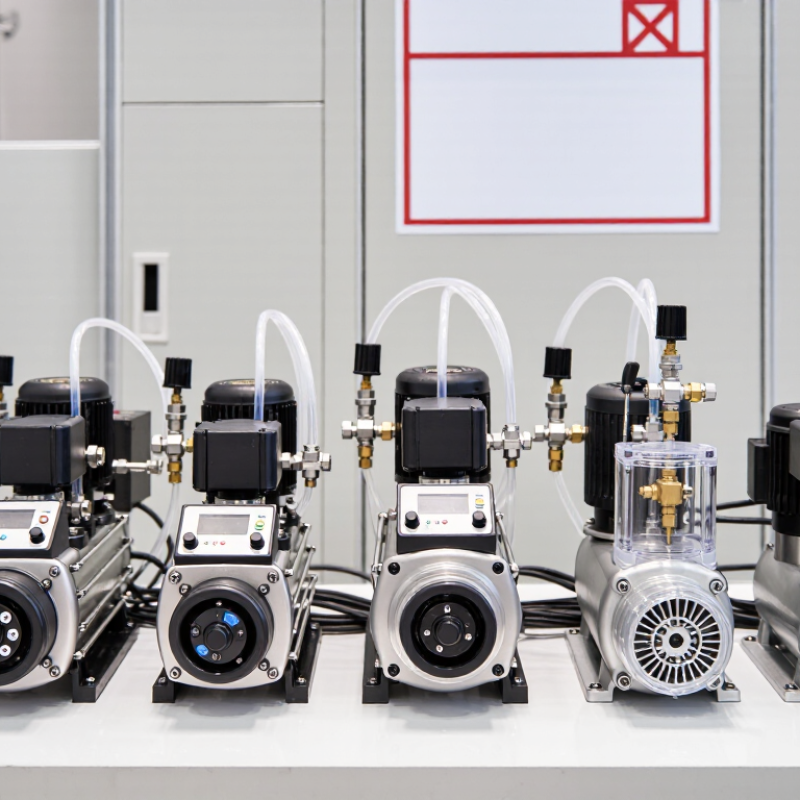
Electric chemical injection pumps meter small volumes of treatment fluid into a process line, often against pressure. An electric motor drives a diaphragm or plunger, while inlet and outlet check valves guide each stroke. Adjusting stroke length or speed changes the delivery rate. Small doses matter. Operators check calibration, suction-line leaks, and discharge pressure because each can affect actual output. The U.S. Department of Energy’s Improving Pumping System Performance sourcebook reports that pumping systems use nearly 20% of global electricity demand. That figure covers pumping broadly, not chemical dosing pumps alone, but it shows why efficient operation matters.

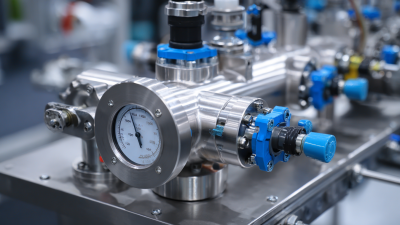
At the skid, the pump draws chemical from a tank through tubing, then pushes it through an injection fitting into the flowing stream. A pressure gauge helps confirm operating conditions; a pulsation dampener can smooth flow. Materials must suit the fluid, and seals need regular inspection. A control signal may link pump output to flow or process measurements, keeping dosage responsive to changing conditions. Still, automation is not a substitute for verification. A worn valve or trapped air can quietly reduce delivery. The DOE sourcebook also notes that pumps account for 25–50% of energy use in some industrial plant operations; this is not a figure specific to injection systems. Calibration records are useful, though they can miss changing fluid properties.
Key Specifications for Comparing Pumps in 2026

When comparing electric chemical injection pumps in 2026, start with the duty point, not the maximum rating. Record target flow, discharge pressure, fluid temperature, and operating hours. A pump that reaches its catalog maximum may not hold it continuously. Check flow turndown and repeatability at low rates, where small calibration errors can matter. A display reading is not proof of delivered volume. Ask how output was verified and under what conditions. Small details matter.

Review wetted materials against the actual chemical, concentration, and temperature, then inspect seal and diaphragm options. Confirm motor voltage, enclosure rating, control inputs, and whether manual adjustment remains possible during signal loss. Look for pressure-relief provisions, leak detection, and accessible service parts; these affect maintenance as well as purchase cost. Check compatibility. Compare energy use and noise when pumps run near occupied work areas. Also check spare-part lead times and documented test procedures. Specifications can look precise while hiding assumptions. Treat published accuracy as a starting point, then request a test at the intended flow and pressure. No single figure tells the whole story.

10 Best Electric Chemical Injection Pumps in 2026 – Key Specifications for Comparing Pumps in 2026

The entries below compare common electric pump types and configurations, not specific products or brands. Flow, pressure, and accuracy figures are indicative ranges found across industrial designs; actual limits depend on the pump model, materials, fluid properties, and operating conditions. Accuracy figures refer to properly sized and calibrated systems under steady operating conditions.

Pump type / configuration Typical flow range Typical maximum pressure Typical metering accuracy Suitable applications and fluids Key comparison point
Solenoid-driven diaphragm metering pump About 0.1–20 L/h About 1–20 bar Approximately ±1–2% under steady conditions Water treatment, small dosing skids, and low-flow injection of compatible acids, alkalis, and treatment chemicals. Compact and straightforward to control; verify chemical compatibility, turndown, and the effect of discharge pressure on output.
Motor-driven mechanical diaphragm metering pump About 1–1,000 L/h About 5–200 bar, depending on design Approximately ±1% under steady conditions Continuous industrial dosing where the process needs controlled flow and leakage containment at the diaphragm. Compare diaphragm materials, pressure rating, stroke adjustment, and whether a pulsation dampener is needed.
Hydraulically actuated diaphragm metering pump About 1–2,000 L/h About 10–400 bar, depending on design Approximately ±1% under steady conditions Higher-pressure process injection and services where isolating the process fluid from the drive mechanism is important. Check hydraulic-fluid design, diaphragm monitoring options, and allowable pressure and flow at the required operating point.
Packed-plunger metering pump About 0.1–2,000 L/h About 10–1,000 bar across different designs Approximately ±1% under steady conditions High-pressure injection of clean, compatible liquids in process and energy applications. Can deliver high discharge pressure, but the plunger packing is a wear and maintenance item and may allow leakage.
Motor-driven reciprocating dosing pump with variable-speed control About 1–1,000 L/h About 5–250 bar, depending on pump head Approximately ±1% when correctly sized and calibrated Process dosing that requires flow adjustment through motor-speed control or integration with an automated control system. Confirm the usable speed range, minimum stable flow, motor-control compatibility, and whether flow feedback is required.
Peristaltic dosing pump About 0.1–10,000 L/h across different sizes Commonly about 1–15 bar; application limits vary Often approximately ±1–2% after calibration Corrosive, abrasive, or solids-bearing fluids where the liquid contacts only the tubing or hose. Tubing or hose life is a key operating cost; check chemical compatibility, pressure limits, and replacement intervals.
Chemical-duty gear metering pump About 0.1–500 L/h About 1–100 bar, depending on construction Often approximately ±1–3% after calibration Clean, lubricating, relatively low-viscosity fluids where a steady rotary flow is useful. Clearances and materials must suit the fluid; solids, poor lubricity, or changing viscosity can affect wear and flow accuracy.
Progressive-cavity metering pump About 0.1–10,000 L/h across different sizes About 6–48 bar, depending on the number of stages Often approximately ±1–2% after calibration Viscous or shear-sensitive fluids and some slurries, provided the selected elastomer and rotor materials are compatible. Check stator compatibility, dry-running risk, solids handling, and flow changes as differential pressure varies.
Duplex or triplex reciprocating metering pump About 10–10,000 L/h, depending on head size About 10–400 bar, depending on design Approximately ±1% under steady conditions Higher-capacity process injection where a single-head pump cannot meet the required flow or duty cycle. Multiple heads can increase capacity and reduce flow pulsation; compare synchronization, maintenance access, and spare-part needs.
Motor-driven rotary-lobe pump with metering controls About 10–10,000 L/h across different sizes Commonly about 1–20 bar, depending on design System-dependent; often about ±1–3% with suitable calibration and flow control Higher-flow, viscous, or shear-sensitive fluids where a rotary positive-displacement pump is appropriate. For injection service, confirm pressure capability and use suitable flow measurement or control; this type is not automatically a precision metering pump.

The 10 Best Electric Chemical Injection Pumps in 2026

The 10 Best Electric Chemical Injection Pumps in 2026 are not necessarily ten identical machines. A useful shortlist compares designs against the chemical, required flow, discharge pressure, and control setup. No pump wins everywhere. Check the manufacturer’s compatibility chart before selecting wetted materials; a small mismatch can cause swelling, leaks, or early failure.

For steady dosing, motor-driven diaphragm pumps are versatile, while solenoid diaphragm units suit compact, lower-flow systems. Stepper-driven models offer finer adjustment. Plunger pumps can handle higher pressures, but seals need careful attention. Peristaltic pumps keep fluid inside a replaceable tube, though tubing life varies. Dual-head designs can provide two metered streams. High-pressure models fit demanding injection points; low-flow versions suit precise dosing. Variable-speed drives adapt output to changing demand, and control-ready pumps can accept external signals. These are practical categories, not a universal ranking.

Compare the minimum stable flow, turndown range, pressure rating, and calibration method—not just the advertised maximum. Look for accessible check valves, clear status indicators, and service parts that can be replaced without dismantling the whole unit. Record actual flow using the intended liquid; water tests may not reflect a thicker chemical’s behavior. One detail is easy to miss: pulsation can affect downstream readings. Add a suitable dampener if the process requires smoother delivery, and verify operation under real conditions.

How to Match a Pump to Chemical, Flow, and Pressure Needs

10 Best Electric Chemical Injection Pumps in 2026

Choosing among the 10 best electric chemical injection pumps in 2026 starts with the chemical, not the price. Check its concentration, viscosity, temperature, and compatibility with wetted materials. A material that handles one solution may swell or corrode with another. Review the pump head, diaphragm, seals, and tubing against the chemical supplier’s data. When compatibility is uncertain, ask the pump manufacturer for written guidance.

Match flow to both normal and peak demand. A pump that can deliver the maximum rate may still struggle to dose steadily at a low setting. Check its adjustment range and calibration conditions, including actual discharge pressure. For pressure, include line losses, elevation, and injection-point pressure. The pump’s rated pressure should exceed the system’s expected maximum, with suitable pressure relief. A datasheet can look reassuring; real operating conditions may expose a mismatch.

Tips: Confirm chemical compatibility. Test flow at operating pressure. Keep a calibration column or measured collection vessel available. Small details matter.

Before purchase, compare maintenance access, control signals, and replacement-part availability. Consider whether operators can safely inspect the pump while wearing appropriate protective equipment. Document the selected flow and pressure settings, then verify them after installation. I would not rely on a single bench test alone; dosing can shift as conditions change. A short commissioning record helps catch drift early.

Installation, Calibration, and Maintenance Essentials

Mount the electric chemical injection pump on a rigid, level surface, near the chemical tank but above potential floodwater. Use compatible tubing, secure suction lines, and fit an injection check valve to prevent process fluid from flowing backward. Keep bends gentle; a kink can quietly distort output. The U.S. Department of Energy’s Pumping System Assessment Tool guidance reports potential energy savings of 20–50% from system improvements, but that range is not a promise for small metering pumps.

Calibrate at the actual operating pressure, not just into an open container. Collect and weigh a timed discharge, then compare it with the target feed rate. Repeat at several settings. Small errors compound. Record the liquid, pressure, temperature, setting, and measured output; those details make later checks useful. EPA’s 2023 Drinking Water Infrastructure Needs Survey and Assessment estimates $625 billion in U.S. drinking-water infrastructure needs over 20 years. That figure concerns the wider system, not injection pumps alone, but it underscores the value of dependable dosing equipment.

Inspect the diaphragm, suction strainer, check valves, and tubing for swelling, crystals, leaks, or brittleness. Flush the head using a compatible procedure before opening it, and follow the pump manual’s isolation steps. Recheck calibration after repairs or a change in chemical concentration. A clean-looking line can still contain a stubborn air pocket; I would not treat appearance as proof of accurate flow.

Whether your solution requires a single pumping application or an expansive engineered system,
CheckPoint is committed to becoming your partner in excellence.