

What Is the Best Electric Chemical Pump in 2026?
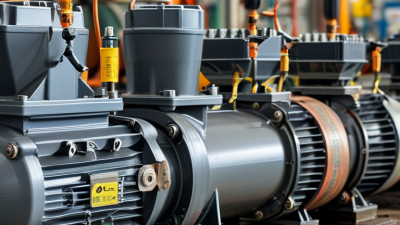
Choosing the best electric chemical pump in 2026 is less about a headline flow rate than about fit. The pump must suit the liquid, duty cycle, and installation. A unit that handles water may not perform well with a viscous reagent or a fluid that attacks its wetted parts. Small details matter: seal material, inlet size, motor enclosure, and the height between the tank and discharge line. Temperature can change fluid behavior, too. There is no universal winner. A reliable choice starts with manufacturer compatibility data and operating limits, not assumptions based on a product photo.
This guide compares pump types and practical selection factors, including flow, pressure, materials, controls, maintenance, and total operating cost. It also considers what product listings often leave unclear, such as how performance changes under real operating conditions. A catalog is a starting point, not proof of suitability. Check the chemical name and concentration against the manufacturer’s documentation, then confirm the required flow and pressure for your system. One detail may still be uncertain: published figures do not always reflect a specific installation. That deserves a closer look. The sections ahead offer a careful way to assess options without treating any single specification as the whole answer.
Define the Duty Point: Required Flow, Head, Pressure, and NPSH
What Is the Best Electric Chemical Pump in 2026?
Define the Duty Point: Required Flow, Head, Pressure, and NPSH
A pump choice starts with the duty point, not a catalog maximum. State the required flow in gallons or liters per minute, then calculate total dynamic head at that flow. Include elevation, pipe friction, valves, filters, and the pressure needed at the discharge. Head and pressure are related, but liquid density changes their conversion. A pump that meets a headline flow may fall short in the actual system.
Check suction conditions before selecting equipment. Available NPSH depends on liquid temperature, vapor pressure, tank level, and suction-line losses. Compare it with the pump’s required NPSH and retain a practical margin. A warm liquid or partly blocked strainer can reduce that margin quickly. Small details matter. Recheck assumptions when the process changes; real flow can differ from the estimate. A tidy calculation can still hide a weak assumption.
Tips: Record the liquid’s specific gravity and operating temperature, then sketch the suction and discharge lines. Measure, don’t guess. Ask for the pump curve at the intended speed and verify the duty point against it. If flow varies, define both normal and peak conditions. Leave room for uncertainty, but do not oversize blindly; excess flow can increase energy use, noise, and wear. This check is not glamorous, but it can prevent avoidable startup surprises.
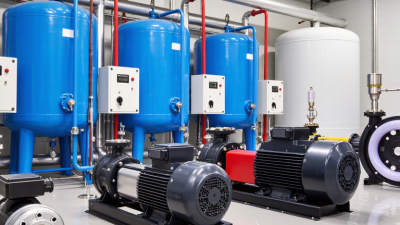
Select Pump Type: API 685 Sealless or API 675 Metering
What Is the Best Electric Chemical Pump in 2026?
Select Pump Type: API 685 Sealless or API 675 Metering
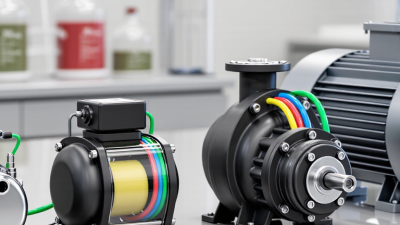
The right electric chemical pump depends on what the process must control: containment or precise dosing. An API 685 sealless pump is designed to move liquid without a conventional shaft seal. This can reduce leak paths when handling hazardous, volatile, or corrosive fluids. Check chemical compatibility with every wetted part, including the liner, casing, and magnetic coupling components. A small mismatch can become a maintenance problem.
API 675 metering pumps serve a different purpose. They deliver a controlled, adjustable volume, often for injection into a process line. Consider required flow accuracy, discharge pressure, turndown, and fluid properties. A viscous liquid may behave differently from a clean calibration fluid. Verify performance under actual operating conditions. Pulsation may also matter, especially when instruments or downstream equipment are sensitive to flow variation.
The choice is not always clean. Some systems need both containment and accurate dosing, so compare the process risks rather than choosing by pump label alone. Review the operating range, temperature, viscosity, solids, and expected changes in demand. Ask how the pump will be monitored and maintained in the installed layout. A quieter pump room is useful; a clear inspection plan is better.
Check Materials Against Chemical Concentration and Operating Temperature
Choosing an electric chemical pump starts with the liquid, not the motor rating. Check the exact chemical, its concentration, and the highest operating temperature. A material that handles a dilute solution at room temperature may swell or weaken in a stronger, warmer mixture.
Small details matter.
Review every wetted component, including the pump casing, impeller, diaphragm, seals, and fittings. For example, a casing may resist a chemical while an elastomer seal absorbs it and begins to leak.
Compatibility charts help narrow options, but they cannot cover every blend, impurity, or operating cycle. Treat them as a starting point. Then verify the specific material guidance with a qualified supplier.
Temperature changes can alter chemical resistance, viscosity, and seal life. Consider normal operation, cleaning, startup, and short temperature spikes—not just the steady reading on a control panel. If concentration varies during a batch, use the most demanding expected condition when reviewing materials.
I would also ask whether the pump will run continuously or start and stop often; that detail is easy to miss.
Test under realistic conditions when possible, and inspect seals and wetted surfaces for swelling, discoloration, or cracking.
Verify Hydraulic Performance Using ISO 9906:2012 Acceptance Grades
What Is the Best Electric Chemical Pump in 2026?
Verify Hydraulic Performance Using ISO 9906:2012 Acceptance Grades
The best electric chemical pump is not chosen by a catalogue headline. Start with the required flow, total head, liquid temperature, and operating range. For rotodynamic pumps, ISO 9906:2012 provides acceptance grades for checking hydraulic performance. Agree on the grade and test conditions before comparing offers; tighter acceptance requirements can affect testing and cost. Numbers need context.
A witnessed test should record flow, head, speed, and power at the specified duty point. Check the reported values against the agreed tolerances, not just the pump’s stated maximum. Also confirm the test liquid and its properties. Chemical liquids may differ from water in density or viscosity, so a water test alone may not represent the installed duty. ISO 9906 does not verify chemical compatibility, electrical safety, or service life.
A test sheet can look reassuring; it is still only a snapshot. Compare its results with the actual system curve and expected operating range. Ask how deviations are handled and whether the report identifies instruments and calibration status. Then review wetted materials, seals, motor protection, and maintenance access separately. One detail is easy to miss: a pump can meet its agreed hydraulic grade yet perform poorly when installed far from its best-efficiency region. That deserves a second look.
Compare 2026 Models by Energy Use, Leakage Risk, and Lifecycle Cost
What Is the Best Electric Chemical Pump in 2026? Compare 2026 Models by Energy Use, Leakage Risk, and Lifecycle Cost
A pump’s rated efficiency can look impressive on paper yet disappoint at the plant. Compare models at the actual flow rate, discharge pressure, fluid temperature, and operating hours. Check the duty point. A pump that regularly runs throttled or far from its best-efficiency point may waste electricity. The U.S. Department of Energy’s Improving Pumping System Performance sourcebook reports that system improvements can yield energy savings of 20–50% or more in some cases. That is system-level potential, not a guaranteed saving from buying a new pump. Ask suppliers for performance curves, motor input data, and test conditions, then estimate annual kilowatt-hours using your operating schedule.
Leakage risk depends on more than the pump body. Review the wetted materials, seal arrangement, flush requirements, and inspection access against the chemical and service conditions. Small leaks matter. A drip near a coupling can mean lost product, cleanup, and unplanned downtime; no single leakage figure fits every installation. For lifecycle cost, compare purchase and installation with energy, maintenance, replacement parts, and downtime over the same service period. The Hydraulic Institute, Europump, and U.S. DOE guide Pump Life Cycle Costs recommends evaluating these cost categories across a pump’s life. It is easy to over-trust a tidy spreadsheet. Include realistic maintenance intervals and electricity rates, and flag assumptions that still need field verification.
Related Posts
-
2026 Best Electric Chemical Pump Types for Global Buyers
-
Top Electric Chemical Pump Tips for Efficient Sourcing?
-
What Are the Top Electric Chemical Pump Types in 2026?
-
Top 10 Electric Chemical Injection Pumps for Global Buyers?
-
China Top Chemical Metering Pump Manufacturers?
-
Why Choose a Chemical Diaphragm Pump for Your Business Needs?

Whether your solution requires a single pumping application or an expansive engineered system,
CheckPoint is committed to becoming your partner in excellence.