

Top 10 Electric Chemical Injection Pumps for Global Buyers?

In the rapidly evolving landscape of industrial applications, the electric chemical injection pump stands as a crucial tool. Experts, such as Dr. Emily Chang, have emphasized its importance, stating, “The right pump can significantly enhance operational efficiency.” Electric chemical injection pumps are vital in various sectors, including pharmaceuticals and water treatment.

These pumps offer precise chemical dosing, which is key to maintaining control in production environments. The growing demand for automation has spurred innovation in this field. However, buyers must approach the selection process with caution. While many options exist, not all electric chemical injection pumps are created equal.

Consider factors such as durability, reliability, and compliance with industry standards. The best choices may not always be the most apparent ones. Reflection on specific needs and operational contexts is necessary. In this article, we will explore the top 10 electric chemical injection pumps, offering insights to help global buyers make an informed decision.
Top 10 Electric Chemical Injection Pumps for Global Buyers?

Overview of Electric Chemical Injection Pumps and Their Applications

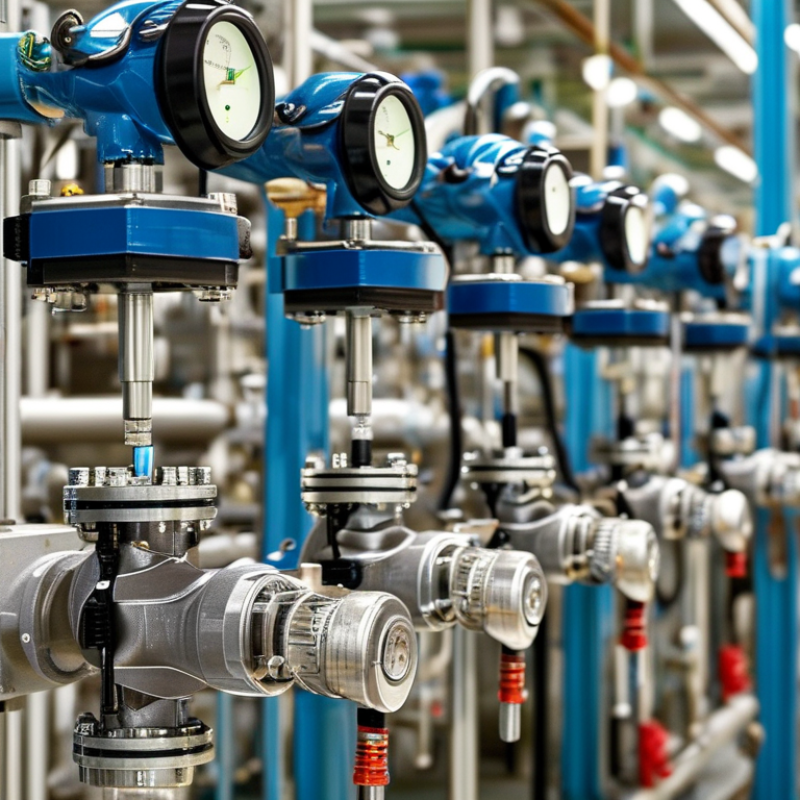
Electric chemical injection pumps are vital for many industries. They deliver precise amounts of chemicals to various processes. These pumps play significant roles in oil and gas, water treatment, and chemical manufacturing. Their ability to ensure accuracy and efficiency is essential. Many industries rely on them for safe chemical handling.

The applications of these pumps vary widely. In water treatment, they inject chlorine or other disinfectants. This process is crucial for maintaining water quality. In oil and gas, they help in lubrication and treatment processes. The use of electric pumps ensures consistent performance in demanding environments. Users appreciate their ability to work efficiently over long periods.

However, it's essential to consider pump selection carefully. Not all electric chemical injection pumps are created equal. Factors like flow rates and chemical compatibility matter. Users often report challenges with maintenance and parts replacement. Understanding these aspects can help in making informed choices. While electric chemical injection pumps are reliable, they still require regular inspections. Proper maintenance can prevent unforeseen issues.

Key Features to Consider When Selecting an Electric Chemical Injection Pump

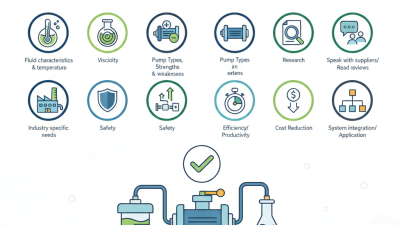
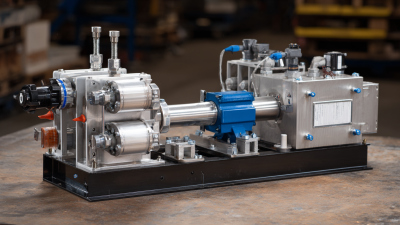
When selecting an electric chemical injection pump, there are several crucial factors to consider. First, the pump's flow rate is vital. It determines how much chemical can be injected over a given time. Understanding application requirements helps in choosing an appropriate flow rate.

Moreover, pressure rating plays a significant role. High-pressure pumps are essential for certain applications. Ensure the pump can handle the required pressure effectively. Material compatibility is another factor. Chemicals can be corrosive, so the pump material must resist degradation.

Maintenance needs should not be overlooked. Some pumps require more frequent servicing than others. Consider the complexity of maintenance routines. Involving operators in the process could improve handling and performance. Finally, think about the pump size, as space constraints could affect your choice. Finding a balance between performance and space is essential for optimal operation.

Top 10 Electric Chemical Injection Pumps Performance Comparison

Top 10 Electric Chemical Injection Pumps: A Comparative Analysis

Electric chemical injection pumps play a crucial role in various industries, from oil and gas to water treatment. According to a recent market report, the global chemical injection pump market is expected to reach $4 billion by 2026, highlighting a significant demand. These pumps facilitate precise chemical dosing, ensuring safety and efficiency in industrial processes. A comparative analysis of the top electric models reveals differences in performance, reliability, and energy consumption.

When examining the characteristics of leading electric chemical injection pumps, flow rate and pressure settings are critical factors. Many pumps offer varying capacity options, with some achieving a max pressure of up to 5,000 PSI. However, the efficiency of these systems often comes at the cost of maintenance challenges. Users frequently report unscheduled downtimes due to mechanical failures, which can disrupt operations. Understanding these nuances fosters better decision-making among potential buyers.

In terms of user feedback, the importance of service support cannot be overstated. Users of electric injection pumps often emphasize the need for responsive technical assistance. A survey conducted among industry professionals indicated that 62% value manufacturers with reliable support services. This highlights a gap in the market for improved customer interaction and product reliability. Investing in user experience is just as critical as analyzing pump specifications.

Industry-Specific Use Cases for Electric Chemical Injection Pumps

Electric chemical injection pumps play a vital role in various industries, ensuring precise chemical dosing and enhancing operational efficiency. In waste treatment facilities, these pumps manage the addition of biocides and coagulants, maintaining optimal conditions for water purification. According to a report by MarketsandMarkets, the global market for chemical injection pumps is expected to reach $2.5 billion by 2025, emphasizing their growing importance.

Chemical injection pumps are essential in oil and gas operations. They facilitate the controlled injection of chemicals for enhanced oil recovery and pipeline maintenance. The pumps contribute significantly to reducing downtime and optimizing production, as noted in a report by ResearchAndMarkets. Moreover, the mining industry relies on these pumps for effective reagent dosing, improving mineral processing efficiency.

When choosing an electric chemical injection pump, consider the specific environment. The materials should withstand corrosive chemicals. Regular maintenance schedules can prevent failures.

Pump selection should align with overall system requirements. Not every pump suits every application. Conducting a thorough analysis of flow rates and chemical compatibility ensures efficiency. A poor choice can lead to costly downtimes.

Future Trends in Electric Chemical Injection Pump Technology and Market Demand

The landscape of electric chemical injection pump technology is rapidly evolving. Market trends show increasing demand for higher efficiency and precision. Innovations focus on smart controls and enhanced materials that improve durability. This is essential for industries like oil and gas, where reliability is crucial.

Recent developments indicate a shift towards more eco-friendly designs. Manufacturers are exploring renewable energy sources to power these pumps. This aligns with global sustainability goals. However, challenges remain in integrating new technologies. Traditional industries may resist change due to established practices.

The future will likely see more automation in pump systems. Predictive maintenance through AI is becoming a key focus. Companies may need to invest in training their workforce to manage these advanced systems. As the technology progresses, ongoing evaluation will be necessary. Adapting strategies to embrace these changes will be vital for staying competitive.

Top 10 Electric Chemical Injection Pumps for Global Buyers

Model Flow Rate (L/h) Pressure Rating (bar) Materials Power Supply (V) Special Features
Model A 50 10 PVDF, Stainless Steel 230 Smart Control
Model B 75 15 Titanium, PVC 110 Self-Diagnostics
Model C 100 20 Aluminium, Nitrile 230 Remote Monitoring
Model D 150 25 PTFE, Carbon Steel 480 Eco-Friendly
Model E 200 30 Stainless Steel, EPDM 220 Variable Speed Drive
Model F 250 35 Bronze, Viton 380 User-Friendly Interface
Model G 300 40 PVC, Polypropylene 240 Compact Design
Model H 350 45 Duplex Steel, FKM 120 High Efficiency
Model I 400 50 Carbon Steel, Teflon 250 Integrated Monitoring
Model J 450 55 Stainless Steel, Neoprene 480 Wireless Connectivity

Whether your solution requires a single pumping application or an expansive engineered system,
CheckPoint is committed to becoming your partner in excellence.