


How to Choose the Right Plunger Pump for Your Needs?
Choosing the right plunger pump can greatly influence your project's success. With various types and configurations available, it’s crucial to understand your specific needs before making a decision. A plunger pump offers high efficiency, but not every model suits every task.
Consider the purpose of the pump. Are you using it for water transfer, chemical processing, or oil extraction? Each application has different requirements. Factors like the fluid's viscosity and temperature also play critical roles. Identifying these parameters can help narrow your choices.
Additionally, quality matters. A well-made plunger pump can provide reliable service. However, cheaper models may save money initially but lead to frustration later. Research reputable brands and seek expert advice when necessary. Making an informed choice today can prevent costly mistakes in the future.
Understanding the Basics of Plunger Pumps and Their Applications
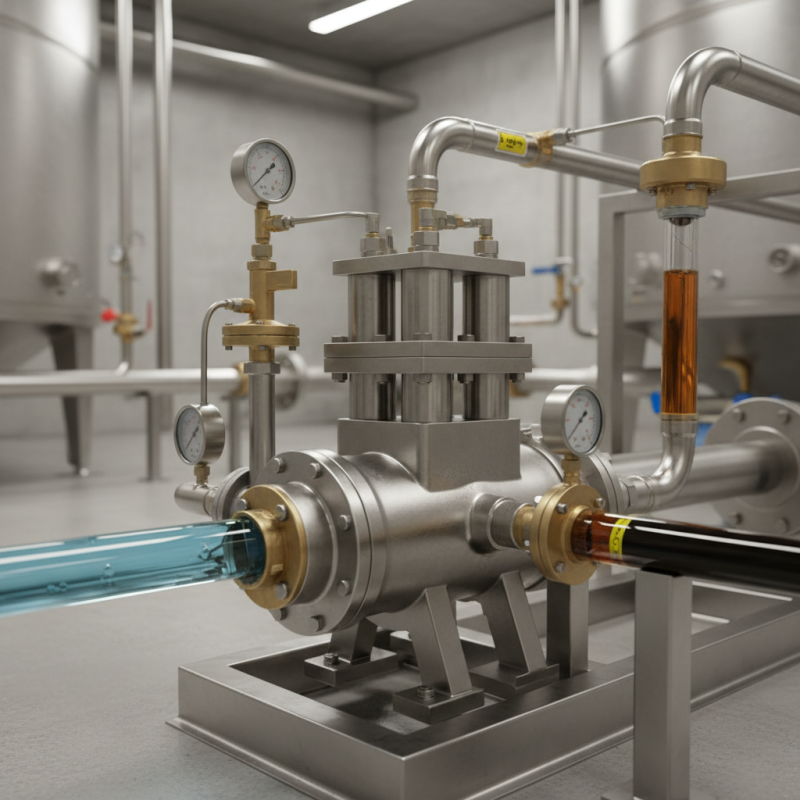
Plunger pumps are essential in various industries. Understanding how they function can boost efficiency in operations. Unlike centrifugal pumps, plunger pumps utilize a piston to create pressure. This design allows them to handle viscous fluids and high pressures effectively.
According to a recent industry report by Research and Markets, the global plunger pump market is expected to grow significantly. It projects a compound annual growth rate (CAGR) of 6.3% from 2021 to 2028. Such data highlights the rising demand for versatile pumping solutions across sectors like oil and gas, pharmaceuticals, and water treatment.
When selecting a plunger pump, consider the specific application. Factors like flow rate, pressure requirements, and fluid characteristics are crucial. Some operations might need a specialized pump, while others can function with a standard model. It's essential to assess these needs carefully. Making assumptions can lead to costly mistakes in operations.
Identifying Your Specific Pumping Needs and Requirements
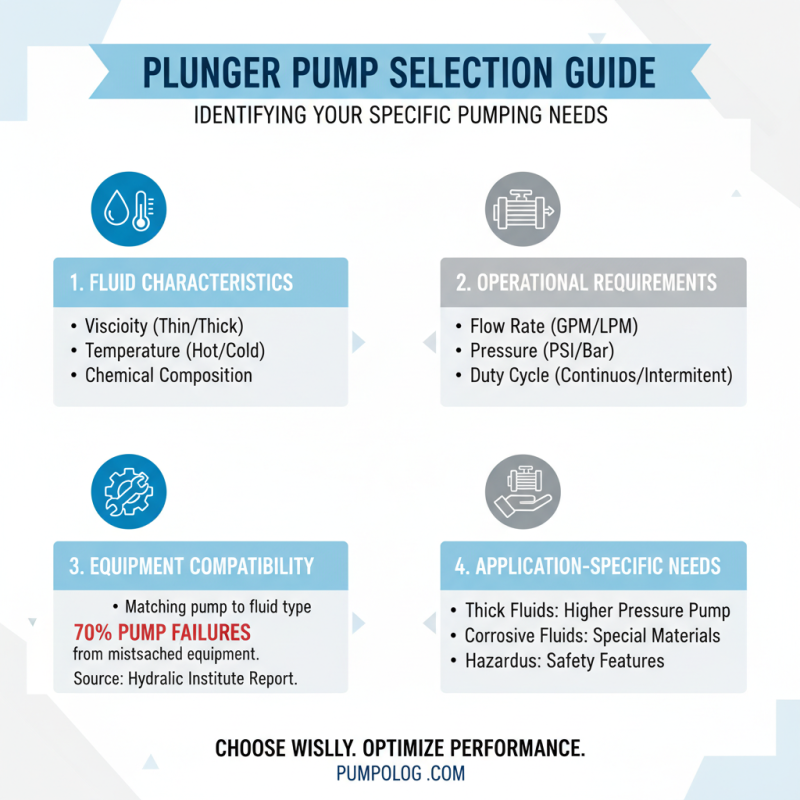
Choosing the right plunger pump begins with understanding your specific needs. Analyzing factors such as fluid viscosity, temperature, and flow rates is crucial. According to a report by the Hydraulic Institute, 70% of pumping system failures stem from mismatched equipment. Ensure your pump can handle the type of fluid you’re working with. For example, thicker fluids may require a pump with greater pressure capacity.
Consider the pump's application as well. Industrial settings often need pumps with robust materials, while agricultural setups can focus on lighter models. Research indicates that user errors account for nearly 30% of pump maintenance issues. Therefore, training and familiarization with your chosen pump can significantly reduce operational mistakes.
Evaluate your power source as well. Power options include electric, pneumatic, or hydraulic systems. Each comes with its own advantages and limitations. A comprehensive study by the American Society of Mechanical Engineers shows that nearly 45% of systems could improve efficiency by selecting the right power source. Make sure to align your choice with the operational environment. This careful assessment will lead you to the best solution tailored to your needs.
Key Features to Consider When Selecting a Plunger Pump
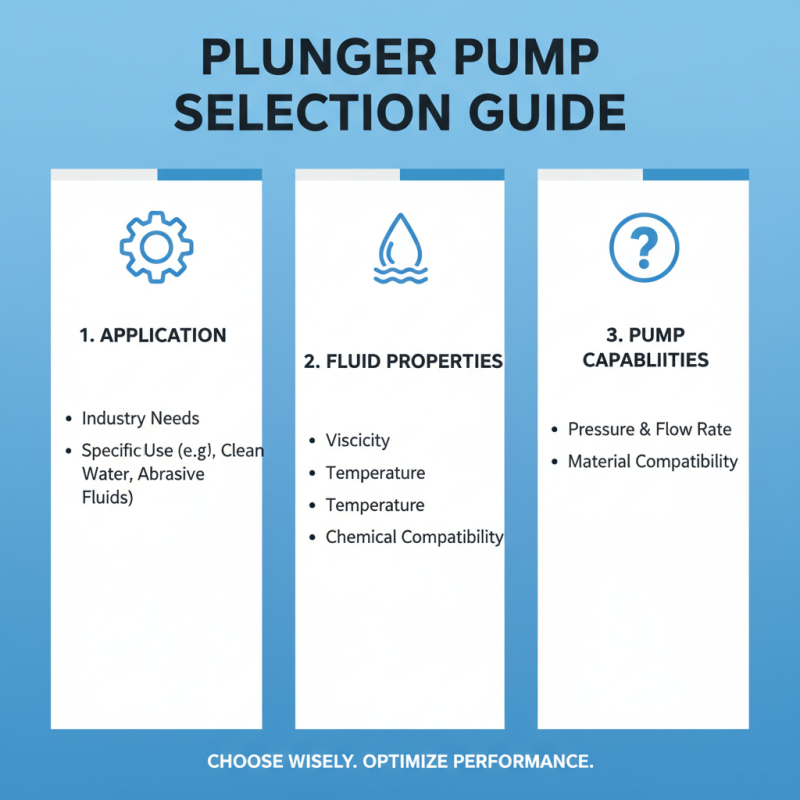
When selecting a plunger pump, consider the application. Different industries have unique requirements. A clean water pump may not suit abrasive or viscous liquids. Understanding your specific needs is crucial. Evaluate the fluid's properties, such as viscosity and temperature. This will help narrow down your options.
Another key feature to look at is the pump's flow rate. Measure how much liquid you need to move. A pump that is too small can lead to inefficiency. Conversely, an oversized pump can waste energy. Look for pumps with adjustable flow rates to adapt to varying needs. Remember to check the material compatibility. Corrosive liquids demand durable materials for safety and longevity.
By examining these characteristics, you can make a more informed choice. Consider the pump's maintenance requirements. Some pumps need regular upkeep, while others are more reliable. This can affect your long-term costs and efficiency. Don't overlook warranty and support options, as these factors enhance the overall reliability of your investment.
Evaluating Pump Material and Build Quality for Longevity
Choosing the right plunger pump requires careful consideration of material and build quality. The pump's construction determines its durability and efficiency. Materials like stainless steel or high-grade plastics offer better resistance to wear. If you work with corrosive substances, opt for non-corrosive materials. This decision can significantly impact the pump’s lifespan.
Additionally, assess the build quality. Inspect welds, joints, and seals. Poorly constructed pumps may leak or fail prematurely. A well-built pump often features reinforced components. Look for pumps with replaceable parts. This allows for repairs rather than replacement.
Reflect on your specific needs. A budget option may tempt you, but consider long-term costs. Cheap pumps might need frequent replacements. Factor in maintenance requirements. Sometimes, spending more upfront saves money over time. Overall, a careful evaluation of materials and build quality leads to a more reliable choice.
Comparing Cost and Performance to Find the Best Value Plunger Pump
When selecting a plunger pump, cost and performance are crucial factors. Industry reports indicate that the average cost varies significantly based on specifications. High-quality pumps may start around $1,000, while entry-level models can be found for less than $500. However, investing in a reliable pump often leads to lower maintenance costs and longer lifespans.
Performance metrics are equally essential. The flow rate and pressure are vital indicators of a pump’s efficiency. For example, a pump with a flow rate of 10 GPM and pressure of 150 PSI is suitable for many applications. Yet, some users may overlook specific requirements like fluid viscosity. Choosing the right model involves understanding these parameters clearly to avoid performance shortcomings.
Many operators report dissatisfaction with underperforming pumps. These situations often arise from selecting a model based solely on cost, disregarding overall quality. Regular maintenance, user training, and correct installation also play significant roles in pump performance. It’s essential to balance upfront costs with long-term effectiveness to find a truly valuable plunger pump that meets all operational demands.
Plunger Pump Performance vs Cost Comparison
This chart compares various plunger pumps based on their performance (measured in PSI) and cost (in USD). The bars represent the performance levels of different pumps, while the line shows their respective costs. This visual aid should help in evaluating which pump offers the best value for your needs.
Related Posts
-
What is a Pneumatic Pump? How It Works and Its Applications Explained
-
Liquid Pump Innovations and Industry Trends Highlighted at 2025 China Import and Export Fair
-
How to Choose the Right Motor Pump for Your Needs?
-
Why a Solar Pump System is the Best Choice for Your Water Needs
-
2025 How to Choose the Best Pressure Pumps for Your Needs
-
Maximizing Efficiency in Industrial Processes with Advanced Electric Chemical Injection Pumps

Whether your solution requires a single pumping application or an expansive engineered system,
CheckPoint is committed to becoming your partner in excellence.