


Choosing the right chemical injection pump starts with the process, not the product catalogue. The pump must deliver a controlled dose at the required flow rate and discharge pressure. Small errors can affect treatment results, equipment condition, or operating costs. Get the basics clear. Identify the chemical, its concentration, viscosity, temperature, and compatibility with wetted materials. Then check the system’s pressure range, tubing, injection point, and available power. A pump suited to a thin, water-like fluid may struggle with a thicker solution. Looks can be misleading.
Metering accuracy matters, but it is only one part of the decision. Consider turndown, continuous or intermittent operation, pulsation, maintenance access, and whether operators can verify output safely. Review manufacturer performance curves under conditions close to your actual application; catalogue ratings alone may not tell the whole story. Ask how seals, valves, and diaphragms respond to the fluid, and confirm service intervals and spare-part availability. If the duty varies, test the expected operating range rather than relying on a single design point.
There is no universal best pump. That is worth remembering. A diaphragm, piston, or peristaltic design may fit different fluids and process demands, so compare verified specifications instead of choosing by price alone. Consult the pump manufacturer or a qualified process engineer when chemical compatibility or pressure limits are uncertain. A careful selection gives chemical injection more consistent control, while routine calibration and inspection help confirm that the pump continues to perform as intended. Even a well-chosen pump needs review when process conditions change.
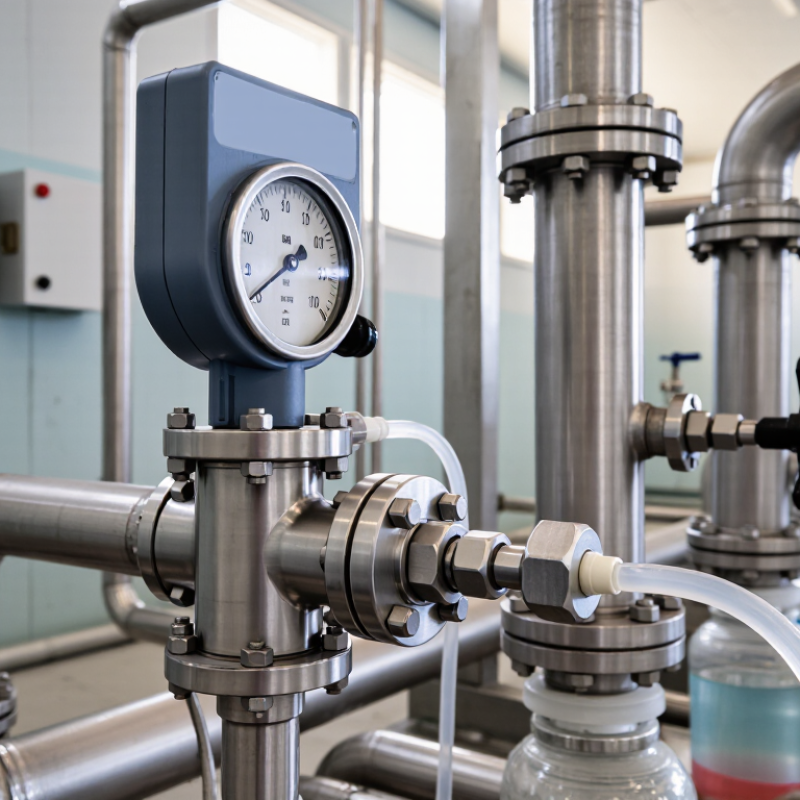
Define the duty before comparing pumps. Record the chemical’s name, concentration, viscosity, temperature, and any solids or gas present. These details affect wetted materials, seal choice, and whether the pump can deliver a steady dose. Small changes matter. A viscous fluid may need a larger pump or slower speed than a water-like solution.
Specify the required flow range, injection pressure, operating hours, and expected turndown. Calculate pressure against the process line, plus tubing losses and check-valve resistance. Include the minimum and maximum flow, not just the normal setpoint. The U.S. Department of Energy’s Improving Pumping System Performance sourcebook estimates that pumping systems use nearly 20% of global electricity. That figure covers many pump types, not chemical injection pumps alone, but it reinforces the cost of poorly matched equipment.
Describe the installation, too: indoor or outdoor location, ambient temperature, vibration, available power, and control signals. Ask how flow will be verified, such as by calibration-column testing or a suitable flow meter. A field estimate can still be wrong. Recheck assumptions against actual fluid temperature and line pressure before final sizing; those readings often differ from design values.
| Requirement | Information to Define | Illustrative Application Detail | Why It Matters for Pump Selection |
|---|---|---|---|
| Chemical identity and purpose | Chemical name, concentration, intended use, and whether it is a single chemical or a blend. | A corrosion inhibitor injected into a process-water line; identify the actual formulation and concentration. | Chemical composition determines material compatibility and may affect seals, valves, and wetted pump components. |
| Required injection rate | Normal, minimum, and maximum flow; required turndown; and whether the rate is continuous or intermittent. | For example, a process may require a normal rate of 2 L/h, with operating adjustments from 0.5 to 3 L/h. Confirm the actual process requirement. | The pump should cover the full operating range while maintaining the required dosing accuracy and stable delivery. |
| Discharge pressure | Pressure at the injection point, including process pressure, piping losses, and any pressure variation. | If the process line operates at 80 bar, the pump must deliver above the injection-point pressure by enough to overcome check-valve and line losses. | A positive pressure differential is required for injection. Select a pressure rating suitable for the maximum operating condition and applicable design requirements. |
| Suction and supply conditions | Tank location, liquid level, suction-line length and size, inlet pressure, and any risk of air entering the line. | A pump drawing from a vented tank below the pump has a flooded or suction-lift arrangement depending on the tank and pump elevations. | Suction conditions affect reliable filling and delivery. Excessive suction lift, restrictions, or entrained gas can reduce capacity or interrupt dosing. |
| Fluid properties | Viscosity, density, temperature, vapor pressure, solids content, and whether the fluid is prone to crystallizing or gassing. | A viscous liquid or a liquid that crystallizes when exposed to air may need different suction-line, valve, or flushing provisions than a clean, low-viscosity solution. | Fluid properties influence pump capacity, valve performance, priming, and the materials and accessories needed for dependable operation. |
| Materials of construction | Compatibility of the liquid with the pump head, diaphragm or other wetted parts, valves, seals, tubing, and fittings. | Material choices may include stainless steel, thermoplastics, or fluoropolymer components, depending on the chemical, concentration, and temperature. | No material is universally compatible. Confirm compatibility against the chemical supplier’s data and the pump manufacturer’s material tables for actual operating conditions. |
| Dosing accuracy and control | Required repeatability or accuracy, manual adjustment needs, and whether dosing follows a process signal or measured flow. | A fixed-rate application may use manual adjustment; proportional dosing may require a control signal or a flow-paced input. | The control method and expected operating range help determine the pump’s adjustment method, instrumentation, and system integration requirements. |
| Duty cycle and availability | Operating hours, starts and stops, required standby capacity, maintenance intervals, and consequences of lost dosing. | A continuously operating process may require a duty pump and a standby unit where uninterrupted chemical treatment is critical. | Duty and redundancy requirements affect pump configuration, maintenance planning, and the need for alarms or automatic changeover. |
| Power and installation environment | Available power supply, indoor or outdoor location, ambient temperature, humidity, washdown exposure, and hazardous-area classification where applicable. | Record the site supply, such as single-phase or three-phase power, and specify any required enclosure or area classification from the site design. | Electrical and environmental requirements determine motor, enclosure, and installation options. Hazardous-area equipment must match the site classification. |
| Safety and system accessories | Need for pressure relief, back-pressure control, injection quill, calibration column, leak containment, isolation, and maintenance access. | A pressure-relief device may be needed to protect the discharge piping if the line can be blocked; its discharge should be routed safely for the chemical in use. | Accessories support safe operation and help manage pressure, calibration, isolation, and chemical exposure. Confirm the final arrangement through the system design review. |
Note: The example operating values are illustrative only. Confirm the required flow, pressure, chemical compatibility, and safety provisions for the actual application before specifying a pump.
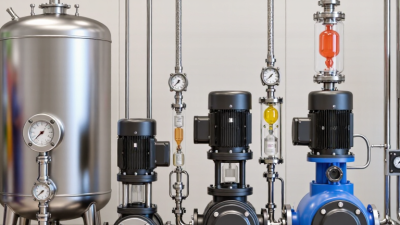

Whether your solution requires a single pumping application or an expansive engineered system,
CheckPoint is committed to becoming your partner in excellence.