


Choosing the China best chemical diaphragm pump supplier requires more than comparing catalog prices. The real test begins with the fluid, pressure, flow rate, temperature, and operating environment. A suitable chemical diaphragm pump should handle corrosive liquids without swelling, cracking, or losing accuracy. Diaphragm materials matter. PTFE may suit aggressive chemicals, while EPDM or NBR can serve different applications. The wrong material can fail quietly, then suddenly.
Pump engineer Paul Cooper offers a useful principle: “A pump should be selected as part of the complete system, not in isolation.” This idea remains highly relevant when evaluating Chinese manufacturers. A reliable supplier should provide material data, performance curves, pressure testing, spare-part support, and clear documentation. Factory experience also matters. Ask whether the supplier has tested pumps with acids, solvents, slurries, or high-viscosity fluids similar to yours. Photos are not enough.
Look for evidence, not confident promises. Check production records, quality controls, export experience, and independent certifications where applicable. A low quotation may appear attractive. It may also exclude testing, accessories, or after-sales service. No supplier is perfect, including established factories. That is worth remembering. The strongest partner explains limitations before the purchase and helps match the pump to actual site conditions.
This guide compares Chinese chemical diaphragm pump suppliers through practical criteria, including construction quality, customization, delivery reliability, technical communication, and lifecycle value. The best choice is rarely the cheapest pump. It is the supplier that can prove consistent performance when the liquid is difficult, the process is demanding, and downtime is expensive.
China Best Chemical Diaphragm Pump Supplier?
Chemical Diaphragm Pump Basics and Industrial Applications
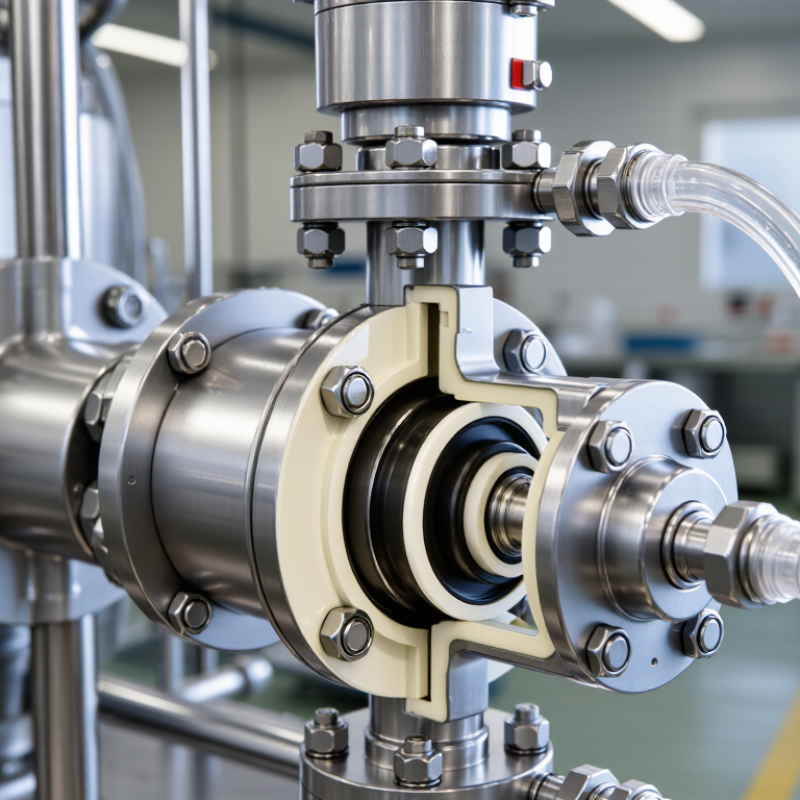
A chemical diaphragm pump moves liquid through alternating diaphragm strokes and one-way check valves. The flexible diaphragm separates the process fluid from the drive mechanism. This design reduces shaft-seal leakage risks. Many air-operated models can self-prime and tolerate short periods of dry running, but these abilities depend on construction and operating conditions. Flow may also pulsate. A pulsation dampener can make discharge steadier.
Material selection is critical. PTFE handles many aggressive acids and solvents, while EPDM suits selected alkaline and water-based fluids. Polypropylene, PVDF, and stainless steel serve different temperature and corrosion requirements. Always compare chemical concentration, temperature, viscosity, pressure, and suction lift before choosing a pump. Compatibility charts help, but they are not perfect.
In chemical transfer areas, these pumps feed dosing skids, move cleaning solutions, supply filtration systems, and handle wastewater with suspended solids. A technician should inspect check balls, diaphragm condition, air quality, and connection tightness during maintenance. Small particles can prevent a valve from closing. That matters.
One common mistake is selecting a pump by flow rate alone. Real performance changes with hose length, back pressure, liquid vapor pressure, and air supply. The best specification may still need adjustment after installation. Field testing remains valuable.
| Data Dimension | Typical Information | Why It Matters | Common Industrial Applications |
|---|---|---|---|
| Operating Principle | A flexible diaphragm moves back and forth to create suction and discharge cycles. Check valves control the direction of fluid flow. | The pumped liquid is isolated from the drive mechanism, reducing the risk of contamination and leakage through a rotating shaft seal. | Chemical transfer, dosing, wastewater treatment, printing, surface treatment, and process-fluid handling. |
| Pump Type | Air-operated double-diaphragm pumps use compressed air; mechanically or electrically actuated diaphragm pumps use a motor-driven mechanism. | The available power source, control accuracy, operating environment, and required flow profile determine the suitable design. | Portable transfer systems, automated dosing skids, explosion-risk areas, and continuous process lines. |
| Typical Flow Range | Approximately 0.1 to 1,000 L/min, depending on pump size, diaphragm design, fluid viscosity, and operating pressure. | Actual flow decreases as discharge pressure, viscosity, suction lift, or air consumption increases. | Small-scale chemical dosing, drum emptying, tank transfer, filtration systems, and bulk liquid circulation. |
| Typical Discharge Pressure | Many industrial models operate up to approximately 7–8 bar; the exact limit depends on the pump construction and actuation method. | The pump must provide sufficient pressure to overcome static head, pipe friction, valves, filters, and process resistance. | Chemical unloading, wastewater dosing, filter-press feeding, coating systems, and low-to-medium-pressure process transfer. |
| Wetted Materials | Common choices include polypropylene, PVDF, PTFE, stainless steel, aluminum, and engineered elastomers. | Material compatibility determines resistance to corrosion, permeation, swelling, abrasion, and chemical attack. | Acids, alkalis, solvents, oxidizers, abrasive slurries, pigments, and contaminated industrial wastewater. |
| Diaphragm Materials | PTFE is commonly selected for chemical resistance; EPDM suits many aqueous chemicals; NBR is often used for oils; FKM is used for selected solvents and elevated-temperature duties. | The diaphragm must tolerate the chemical, temperature, pressure, flexing frequency, and abrasive content of the fluid. | Acid transfer, solvent handling, water treatment, oil-containing liquids, and abrasive chemical slurries. |
| Temperature Capability | Typical service limits range from below 0°C to approximately 100–120°C, depending on the body, diaphragm, valve, and fluid combination. | Temperature affects viscosity, seal life, material strength, vapor pressure, and chemical compatibility. | Heated chemicals, ambient-temperature transfer, cleaning systems, plating solutions, and process-water applications. |
| Self-Priming and Dry Running | Many air-operated designs are self-priming and can tolerate temporary dry running better than many centrifugal pumps, subject to the manufacturer’s limits. | These features simplify installation and help the pump handle intermittent operation or variable liquid levels. | Container emptying, sump transfer, mobile equipment, intermittent batching, and difficult suction conditions. |
| Solids Handling | Many models can handle suspended solids; passage size varies by pump design and may range from a few millimeters to more than 10 mm. | Particle size, concentration, hardness, and shape affect valve wear, diaphragm life, and flow stability. | Sludge, wastewater, ceramic suspensions, mineral slurries, inks, paints, and particulate-bearing chemicals. |
| Flow Control | Air pressure and air volume can regulate many air-operated pumps; stroke frequency or motor speed controls other diaphragm pump designs. | Accurate adjustment helps prevent overfeeding, reduces energy use, and supports repeatable batch performance. | Chemical metering, pH adjustment, flocculant dosing, ink circulation, and controlled batch transfer. |
| Safety Considerations | Use compatible materials, pressure relief, correct grounding, suitable ventilation, and appropriate controls for hazardous or flammable fluids. | Correct safety measures reduce exposure, static discharge, overpressure, chemical release, and equipment failure risks. | Flammable solvent transfer, corrosive chemical handling, wastewater plants, laboratories, and hazardous-area process systems. |
| Key Selection Data | Required flow, discharge pressure, suction lift, fluid viscosity, specific gravity, temperature, solids content, chemical composition, and available power. | Complete process data enables correct sizing and prevents premature diaphragm, valve, or body failure. | New installations, replacement projects, process upgrades, skid design, and pump-system optimization. |
| Maintenance Requirements | Inspect diaphragms, valves, seats, fasteners, air filters, lubricators where applicable, and chemical-wetted components according to service conditions. | Routine inspection detects wear, leakage, pulsation changes, reduced flow, and material degradation before an unplanned shutdown. | Continuous production lines, batch plants, wastewater facilities, chemical storage areas, and maintenance-intensive transfer systems. |
Note: Performance values are representative industrial ranges. Actual limits depend on pump size, diaphragm and valve materials, fluid properties, installation conditions, and the applicable technical specification.
Whether your solution requires a single pumping application or an expansive engineered system,
CheckPoint is committed to becoming your partner in excellence.