

What Are the Best Electric Pump Types in 2026?

Choosing among electric pumps in 2026 means matching the pump to the job, not chasing a single “best” model. A quiet domestic booster, a compact submersible pump in a rainwater tank, and a high-flow industrial centrifugal unit solve different problems. Electric pumps vary in design, control, efficiency, and tolerance for demanding conditions. Small details matter: required flow, pressure, fluid temperature, solids, and available power.

The International Energy Agency’s Energy Efficiency 2023 report highlights that electric motor-driven systems account for more than 40% of global electricity consumption. That figure includes far more than pumps, but it shows why efficient selection and operation deserve attention. As IEA Executive Director Fatih Birol has put it, “Energy efficiency is the first fuel.” It is a useful principle, though it cannot replace checking a pump’s actual duty point. A high-efficiency label alone will not fix poor sizing, restrictive pipework, or a control system that runs the unit harder than needed.

Some trade-offs are easy to overlook. A submersible pump may suit a flooded pit, while a centrifugal model may be a better fit for steady, high-volume transfer. Diaphragm and gear pumps can handle different fluids and flow requirements, but neither is automatically the right choice. The comparison ahead looks at common pump types, their practical strengths, and where each can fall short. Because product specifications and test conditions differ, verify performance data before choosing. A little caution helps.
What Are the Best Electric Pump Types in 2026?

How Electric Pumps Work and What Defines the Best Type in 2026

Electric pumps use an electric motor to turn electrical energy into motion. In a centrifugal pump, a spinning impeller pushes liquid outward, creating flow through the outlet. These pumps suit steady movement of clean water, but performance can drop with thick liquids or debris. Small details matter: pipe bends, lift height, and inlet restrictions all affect actual flow.

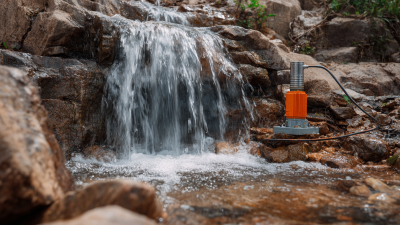
Positive-displacement pumps move a set volume with each cycle. Diaphragm and gear designs can handle thicker liquids or controlled dosing, though seals and moving parts need inspection. Submersible pumps operate below the liquid surface, helping avoid priming problems in wells, sumps, and drainage pits. No single type wins everywhere. That is the awkward part.

In 2026, the best type is the one matched to the fluid, required flow, total head, duty cycle, and available power. Fit matters. Check the pump curve at the intended operating point, not just the maximum-flow figure on a label. Consider energy use, noise, dry-run protection, service access, and material compatibility. A slightly oversized pump may cycle often and wear sooner than expected.
What Are the Best Electric Pump Types in 2026?

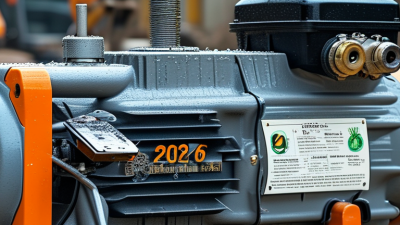
This qualitative comparison shows typical flow smoothness by pumping principle. Centrifugal and screw pumps generally deliver steadier flow, while diaphragm and peristaltic pumps deliver more pulsating flow. Actual performance depends on pump design and operating conditions.

Selection depends on required flow and pressure, fluid properties, solids handling, and dosing accuracy. Scores are illustrative ratings, not measured test results.

Which Main Electric Pump Types Are Available?

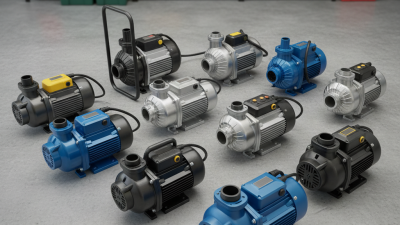
Electric pumps are best classified by how they move liquid. The two main hydraulic families are centrifugal, or dynamic, pumps and positive-displacement pumps. A centrifugal impeller spins liquid outward, making this type common for steady, higher-flow duties. Positive-displacement designs trap and push set volumes; rotary gear and screw pumps, plus reciprocating piston and diaphragm pumps, belong here. That matters.

The U.S. Department of Energy’s Improving Pumping System Performance: A Sourcebook for Industry reports that pumping systems account for nearly 20% of global electricity demand, and 25–50% of energy use in some industrial plants. Correct type and sizing affect both flow and energy use. The International Energy Agency’s Energy-Efficiency Policy Opportunities for Electric Motor-Driven Systems estimates that motor-driven systems use about 45% of global electricity; that broader figure is not pump-specific, but shows why motor efficiency deserves attention.

Submersible and surface-mounted describe installation, not distinct pumping principles. A submersible centrifugal pump may sit below water in a sump, while a surface unit draws water through an intake pipe. A catalog label can still mislead. Check the fluid, required flow, head, viscosity, and solids before comparing models. A pump that handles clean water may struggle with thick liquid or abrasive particles. The neat category chart is only a start.

What Are the Best Electric Pump Types in 2026? — Which Main Electric Pump Types Are Available?

Pump Type How It Works Typical Uses Main Advantages Important Limitations Often a Good Choice When
Centrifugal pump A rotating impeller adds velocity to liquid, which is converted into pressure as the liquid moves through the casing. Water supply, circulation, irrigation, cooling systems, and general-purpose liquid transfer. Continuous flow; simple operating principle; available in many sizes and configurations. Performance can fall with highly viscous liquids; many models need priming and are not suited to running dry. You need to move relatively clean, low-viscosity liquid at a steady flow rate.
Submersible pump An electric motor drives a pump designed to operate while submerged in the liquid. Wells, sumps, drainage, sewage handling, and wastewater transfer, depending on the model. Pushes liquid from below the surface; does not usually require a separate suction-priming step; can operate quietly when submerged. Must be matched to the liquid and installation depth; servicing may require removal from the pit, tank, or well. The source is below ground or in a tank, sump, or flooded area.
Diaphragm pump A motor-driven diaphragm moves back and forth, displacing liquid through inlet and outlet check valves. Chemical transfer, metering, wastewater, and liquids containing some suspended solids, subject to material compatibility. Can handle many challenging fluids; the pumping chamber can be isolated from the drive mechanism; some designs can run dry for limited periods. Flow is often pulsating; valves and diaphragms can wear; output depends on the design and operating conditions. You need controlled transfer or must handle a fluid that is unsuitable for a conventional centrifugal pump.
Gear pump Rotating gears carry liquid from the inlet to the outlet in the spaces between the gear teeth and casing. Lubricating oil, fuel, hydraulic fluids, and other compatible viscous liquids. Provides a relatively steady flow and is well suited to many viscous liquids. Not generally intended for abrasive or large-solid-laden fluids; requires suitable viscosity, clearances, and materials. You need to transfer a clean, compatible liquid that is thicker than water.
Peristaltic pump Rollers or shoes compress a flexible tube or hose, moving liquid through it without contacting the pump mechanism. Dosing, laboratory processes, food and beverage processes, and transfer of some shear-sensitive or corrosive fluids with compatible tubing. The liquid contacts only the tubing; flow can be accurately controlled in suitable dosing setups; can handle some fluids with suspended particles. Tubing is a wear component and must be replaced; pressure and flow capacity depend on the tubing and pump design. You want to isolate the fluid from the pump’s internal components or need repeatable low-flow dosing.
Piston or plunger pump A reciprocating piston or plunger displaces liquid through inlet and outlet valves. High-pressure cleaning, pressure testing, precise dosing, and other applications requiring high discharge pressure. Can generate high pressure; some designs provide accurate, adjustable delivery. Flow is commonly pulsating; seals and valves require maintenance; fluid cleanliness and compatibility matter. High pressure or accurately controlled delivery is more important than smooth, uninterrupted flow.
Screw pump One or more rotating screws move liquid along the pump casing. Oil transfer, industrial process fluids, and some viscous liquids, depending on the design. Can provide smooth flow and handle many viscous fluids; some designs operate with relatively low pulsation. Model selection is sensitive to fluid properties; abrasive solids and dry running can damage some designs. You need smooth transfer of a compatible viscous liquid in an industrial process.

Selection note: The best pump depends on required flow and pressure, liquid viscosity and temperature, solids content, chemical compatibility, suction conditions, and whether the pump must run continuously. Check the manufacturer’s performance curve and material specifications for the exact operating conditions.

How Do Pump Types Differ in Performance and Applications?

Centrifugal pumps move water with a spinning impeller. They suit high flow rates and relatively clean, low-viscosity liquids, such as water in irrigation lines or building circulation systems. Their output changes with system resistance: a long, narrow pipe can reduce flow noticeably. Useful, but not magic. A pump’s published maximum flow usually assumes little resistance, so compare its performance curve with the actual pipework and required lift.

Positive-displacement pumps trap and move a fixed volume with each cycle. Diaphragm types handle dosing and some abrasive fluids; gear types can move thicker liquids at steady rates. They often maintain flow against changing pressure better than centrifugal pumps, but relief protection and suitable seals matter. Submersible describes where a pump operates, not one pumping mechanism: submerged models can drain a flooded pit without a long suction line. Booster pumps, meanwhile, raise pressure in a supply system. The categories can overlap, which is easy to miss. Match flow, pressure, liquid properties, and duty cycle to the job, then check noise, maintenance access, and power use. A small mismatch can mean weak flow or unnecessary wear.

Which Electric Pump Fits Each Common Use Case?

For steady water transfer in homes, buildings, and irrigation lines, a centrifugal pump is often the practical choice. It moves high volumes efficiently when flow is continuous and the liquid is relatively clean. For thick fluids, frequent starts, or accurate dosing, a positive-displacement pump is usually better; its measured output is less dependent on pressure changes. Need to drain a flooded pit or tank? A submersible pump sits below the waterline, reducing suction problems and keeping the motor close to the liquid. Fit matters.

The U.S. Department of Energy’s Improving Pumping System Performance sourcebook estimates that pumping systems use nearly 20% of global electricity, and 25–50% of energy in some industrial plants. That makes correct sizing more than a purchase detail. The DOE’s Pump Life Cycle Costs guide also recommends weighing energy, maintenance, and installation over the pump’s working life. For dirty drainage, check solids-handling limits; for dosing, verify material compatibility and flow accuracy. A pump selected only by its maximum flow rating may perform poorly at the actual operating point. Not perfectly. Real systems change, and a small commissioning check can reveal throttling, noise, or unnecessary cycling before they become routine.

What Factors Should Guide Selection, Installation, and Maintenance?

Selecting an electric pump starts with the job, not the product label. Centrifugal pumps suit many steady-flow applications, while positive-displacement designs can handle thicker fluids or controlled dosing. Submersible pumps work when the unit must operate underwater. Check the fluid’s temperature, viscosity, and solids content. Then match required flow and total head, including friction losses through pipes and fittings. A first calculation is only a starting point; real systems can behave differently.

Installation details matter. Place the pump on a firm, level base and support connected pipes independently. This reduces strain on the casing and fittings. Follow the manufacturer’s instructions for priming, suction-line layout, and electrical protection. Keep the pump accessible, and provide ventilation where heat can build up. Small details matter. A poorly placed valve or undersized cable may cause trouble that looks like a pump failure.

Maintenance should follow operating conditions and the pump manual, not a guessed universal schedule. Inspect for leaks, unusual vibration, rising noise, and changes in flow or pressure. Clean strainers before blockage raises the pump’s workload. Check seals, bearings, and electrical connections at recommended intervals, with power isolated before inspection. Record readings over time; gradual changes are easy to miss. Replacement decisions can be imperfect, so compare repair costs with the risks of downtime and recurring faults.

Whether your solution requires a single pumping application or an expansive engineered system,
CheckPoint is committed to becoming your partner in excellence.