

Top 5 Chemical Diaphragm Pumps for Efficient Operations?
In various industries, the importance of using a reliable chemical diaphragm pump cannot be overstated. These pumps serve as critical components for transporting aggressive or corrosive liquids. Their design minimizes leaks and ensures safety during fluid transfer. Choosing the right pump can significantly impact operational efficiency and reduce maintenance costs.
The performance and durability of chemical diaphragm pumps vary greatly among different manufacturers. This often leads to confusion when selecting the best option for specific applications. Understanding the unique features and benefits of each pump is essential. It allows users to make informed decisions while navigating the challenges of process requirements.
Efficiency in operations is a priority for many businesses. As such, identifying the top chemical diaphragm pumps available is vital. By evaluating their strengths, users can align their needs with the right technology. Ultimately, this choice influences productivity and safety standards in chemical handling processes. While no pump is perfect, selecting wisely can lead to improved performance and reliability.
Top Features of Chemical Diaphragm Pumps for Industrial Efficiency
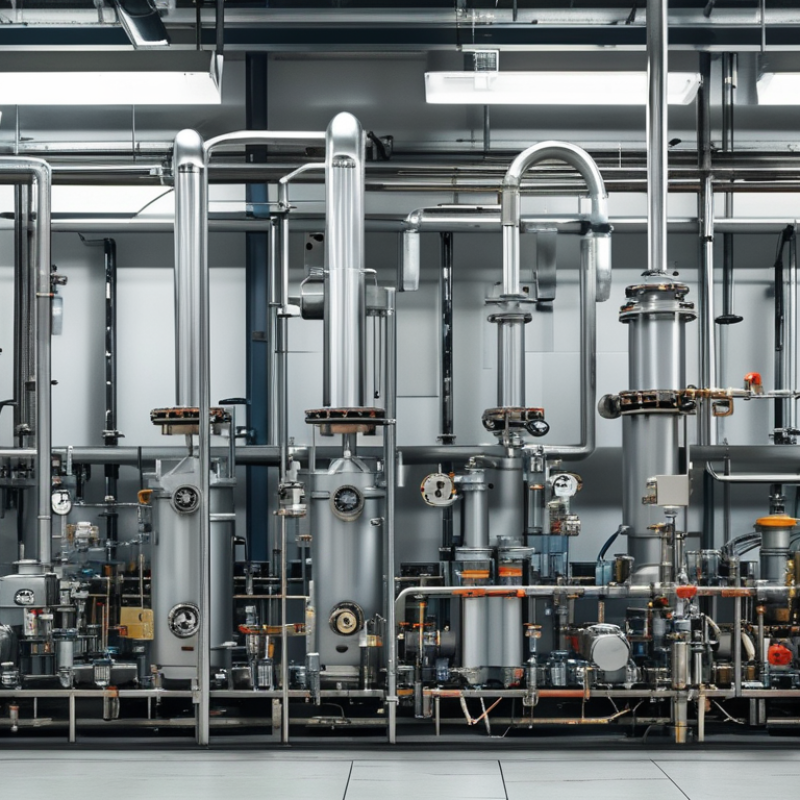
Chemical diaphragm pumps play a crucial role in industrial operations. Their ability to handle aggressive fluids efficiently is vital for many sectors. A report from the Chemical Engineering magazine highlights that diaphragm pumps can maintain flow rates between 0.1 to 500 gallons per minute. This versatility makes them suitable for both high and low flow applications.
One key feature of these pumps is their reliability in preventing chemical leaks. According to a study by the American Society of Mechanical Engineers, more than 50% of industrial accidents are related to fluid containment failures. Diaphragm pumps mitigate this risk by using a sealed design that protects the environment and enhances workplace safety. Additionally, they offer easy maintenance, which is often a concern in industrial settings.
Energy efficiency is another important aspect. Research indicates that modern diaphragm pumps can reduce energy consumption by up to 30% compared to older models. This reduction translates into significant savings over time and aligns with sustainable operational goals. However, it is essential to monitor maintenance schedules closely, as neglecting this can lead to decreased performance and increased operational costs. Such reflections encourage industries to invest in training and awareness for optimal pump usage.
Key Applications of Chemical Diaphragm Pumps Across Various Industries
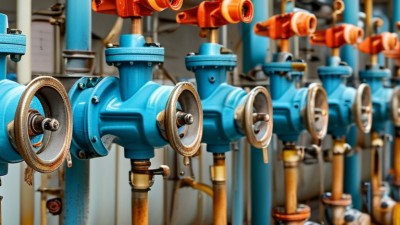
Chemical diaphragm pumps are crucial in various industries, providing safe and efficient fluid transfer. These pumps excel in applications where corrosive or abrasive fluids are involved. In the chemical processing industry, they handle acids and bases effectively, ensuring minimal risk of leakage. This reliability enhances safety and operational efficiency.
In the water treatment sector, these pumps are vital for transferring chemicals used in purification processes. Their ability to manage different flow rates allows for tailored solutions. Industries like pharmaceuticals also benefit from diaphragm pumps. Precision is essential here, as these pumps deliver accurate dosing of active ingredients.
However, the choice of pump is not without challenges. Factors like compatibility with fluids, pressure requirements, and maintenance needs must be carefully considered. Improper selection may lead to equipment failure or inefficiencies. Continuous evaluation and adaptation are necessary to achieve optimal performance over time.
Top 5 Chemical Diaphragm Pumps for Efficient Operations
This chart displays the flow rate (in liters per minute) of the top 5 chemical diaphragm pumps used across various industries. Understanding the performance of these pumps can help in selecting the right one for specific applications.
Comparison of Flow Rates and Pressure Ratings in Top Diaphragm Pumps
In the realm of diaphragm pumps, flow rates and pressure ratings are crucial for efficient operations. A recent industry report highlighted that the optimal flow rates for chemical diaphragm pumps typically range from 0.5 to 500 liters per minute. This variability allows operators to select pumps based on their specific application needs.
Pressure ratings, on the other hand, often span from 2 to 10 bar, ensuring applications from low to high pressure can be accommodated.
When comparing top models, one must consider performance under actual operational conditions. Reports indicate that many pumps lose efficiency at higher pressures. Understanding the relationship between flow rate and pressure can prevent costly downtime.
Operators should be aware that while high flow rates may be desirable, they often come with trade-offs in terms of pressure stability.
It’s important to conduct regular maintenance checks to ensure that your diaphragm pump functions efficiently. Not all pumps are created equal; factors like material compatibility and diaphragm flexibility play significant roles. Ensuring correct installation and using a system to monitor flow rates and pressures can prolong pump life. Always assess the pump’s performance data against the operational requirements to avoid future reflections on pump efficiency and productivity.
Material Compatibility: Choosing the Right Diaphragm for Chemicals
Material compatibility is crucial when selecting diaphragm pumps for chemical applications. Different chemicals can react unpredictably with certain materials. Understanding the properties of your chemical can lead to better performance and longevity of the pump. For example, some acids can degrade rubber quickly, while others may corrode metals. Choosing a diaphragm made from the right material can prevent costly breakdowns.
Consider using elastomers for most non-aggressive fluids. These materials offer flexibility and resilience. However, they may not be suitable for all chemicals. In cases of harsh environments, thermoplastics are often better. They can withstand extreme conditions and offer excellent resistance to a variety of chemical mixtures. Each option has its limitations, and the wrong choice can lead to pump failure.
Ultimately, testing the compatibility of the material in a real-world scenario is essential. This process can reveal unforeseen issues, such as swelling or degradation. A well-thought-out selection process enhances safety and efficiency. However, sometimes operators overlook such testing. This oversight can lead to operational difficulties. Taking the time to review the material compatibility thoroughly can yield long-term benefits.
Maintenance Best Practices to Enhance the Lifespan of Diaphragm Pumps
Diaphragm pumps are essential for many industrial applications. To ensure their longevity, regular maintenance is crucial. Keeping an eye on the pump's performance can prevent unexpected breakdowns. Small leaks might seem trivial, but they can lead to bigger issues if ignored.
One effective practice is to monitor the pump's fluid levels frequently. Ensure that the fluids used are compatible with the diaphragm material. This helps in minimizing wear and avoiding damage. Check seals and fittings regularly, as worn-out components can majorly affect efficiency.
Cleaning the pump regularly is another vital step. Residues can accumulate and affect the pump's functionality. A simple wash can enhance performance and extend lifespan. Always refer to the manufacturer’s guidelines for specific cleaning procedures. Understanding and following these maintenance tips can significantly improve a diaphragm pump's operational efficiency over time.
Related Posts
-
2026 How to Choose the Right Chemical Diaphragm Pump for Your Needs?
-
How to Choose the Right Chemical Diaphragm Pump for Your Needs
-
7 Essential Tips for Choosing the Right Diaphragm Pump for Your Business Needs
-
Unveiling the Best Chemical Pumps: A Comprehensive Comparison Guide
-
5 Best Advantages of Diaphragm Pumps in Industrial Applications
-
10 Essential Tips for Choosing the Right Electric Diaphragm Pump for Your Business

Whether your solution requires a single pumping application or an expansive engineered system,
CheckPoint is committed to becoming your partner in excellence.