

10 Best Diaphragm Pumps for Global Buyers
Choosing the right diaphragm pump is less about finding a universal winner and more about matching a pump to the fluid, duty cycle, and installation. A unit handling abrasive slurry may need different materials and valve designs from one transferring a temperature-sensitive liquid. Small details matter: hose or diaphragm compatibility, suction lift, required flow, and access for maintenance can change the buying decision.
The U.S. Department of Energy’s Improving Pumping System Performance: A Sourcebook for Industry reports that pumping systems account for nearly 20% of global electricity demand. It also notes that pumps can use 25–50% of energy in some industrial operations. These figures cover pumping systems broadly, not diaphragm pumps alone. Still, they underline why buyers should compare operating conditions, efficiency, and maintenance needs—not just purchase price. That distinction is easy to miss.
Water demand adds useful context. UNESCO’s 2024 World Water Development Report estimates that agriculture accounts for about 70% of global freshwater withdrawals, while industry accounts for roughly 20%. Those shares do not predict diaphragm pump sales. They do show how varied fluid-handling needs can be across regions and applications.
This guide compares ten diaphragm pump options for global buyers, focusing on practical selection factors, published specifications, and service considerations. Product availability and local support can change, so the “best” choice may shift by market. A specification sheet cannot tell the whole story. Use the shortlist as a starting point, then confirm performance with the manufacturer for your actual fluid and operating conditions.
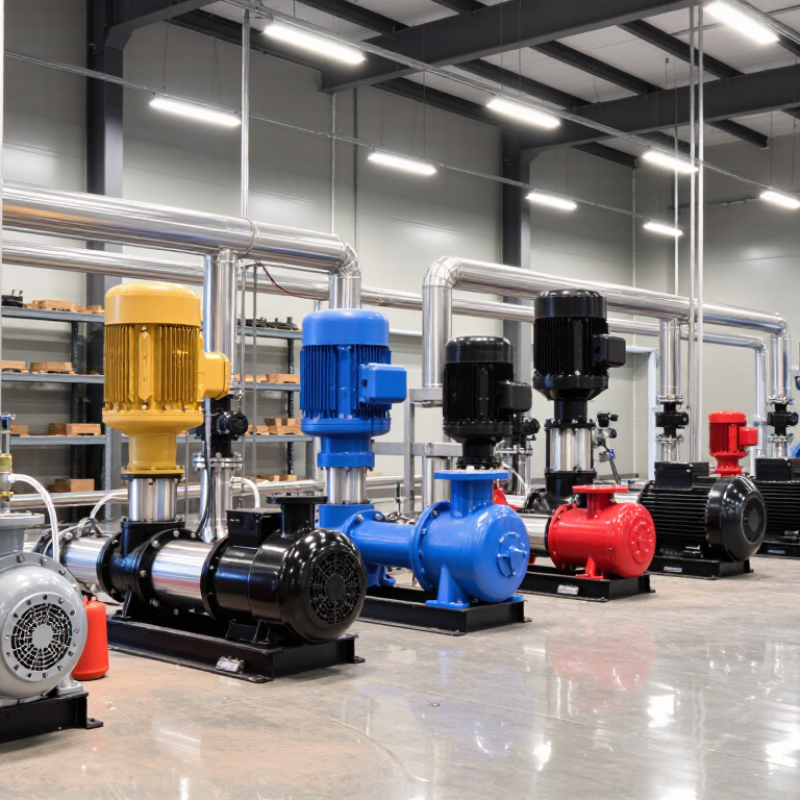
Diaphragm Pumps: Definition, Components, and Operating Principles
10 Best Diaphragm Pumps for Global Buyers
Diaphragm Pumps: Definition, Components, and Operating Principles
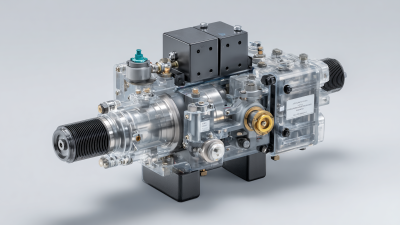
A diaphragm pump moves liquid by flexing a flexible membrane inside a chamber. The diaphragm separates the pumped fluid from the drive mechanism. Common components include the diaphragm, pump body, inlet and outlet check valves, and an air or mechanical drive. As the diaphragm retracts, the chamber draws liquid through the inlet valve. As it moves forward, pressure closes the inlet valve and pushes liquid through the outlet. Simple in principle. Materials and operating limits still matter.
In an air-operated model, compressed air shifts the diaphragm between strokes. Check valves help control flow direction, while the pump body contains the liquid. A blocked line, worn diaphragm, or unsuitable seal can reduce performance or cause leakage. Before selecting a pump, check the fluid’s temperature, viscosity, solids content, and chemical compatibility. Also confirm the required flow rate and available air pressure. There is no single best configuration for every job. Small details count.
Tips: Inspect diaphragms and valves regularly, especially when flow becomes uneven. Keep suction lines short and free of kinks where possible. Match wetted materials to the actual fluid, not just its general category. A setup that looks adequate on paper may behave differently in service, so record operating conditions and review them after installation.
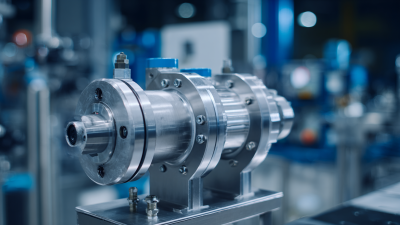
Common Diaphragm Pump Types and Their Key Differences
Diaphragm pumps move liquid by flexing a flexible membrane, but their drive systems create important differences. Air-operated double-diaphragm pumps use compressed air to move two membranes in alternating strokes. They suit many transfer tasks and can handle some solids, depending on valve design and clearance. They are often portable. Their air supply, however, affects efficiency and noise.
Mechanically driven models use a motor and linkage to flex the diaphragm. They can provide steady, controlled flow for dosing or circulation, but their output range depends on the drive and pump design. Hydraulic diaphragm pumps use pressurized oil to move the membrane. They are common where higher pressure or precise metering matters. That added control can mean more components to maintain.
Compare more than the pump type. Check fluid viscosity, temperature, chemical compatibility, required flow, and discharge pressure. A small abrasive particle may wear a valve; an incompatible diaphragm may swell or crack. Pulsation also matters. Some applications need a dampener for smoother flow, while others tolerate the uneven discharge. A tidy chart cannot capture every installation. Review the manufacturer’s performance curves and material data, then consider how the pump will be cleaned and serviced. The best fit is not always the most powerful one.
Specifications Buyers Should Compare Before Choosing a Pump
A diaphragm pump can look suitable on paper and still struggle in a real process. Compare rated flow with the flow required at your operating pressure, not just the maximum figure. Check the performance curve, too. Flow often falls as discharge pressure rises, and thick liquids can change the result further. A clean datasheet can still mislead.
Wetted materials need close attention. Match the diaphragm, valve balls, seats, and body to the liquid’s chemistry and temperature. For abrasive slurries, check the pump’s permitted solids size and consider how particles may wear internal parts. Ask whether the stated capacity assumes water; it may. That detail is easy to miss. Also compare air consumption for air-operated models, or motor power for electrically driven models, against available site utilities.
Installation details matter as much as headline capacity. Verify suction lift, inlet and outlet sizes, connection type, noise information, and access for routine service. A pump placed below a tank may behave differently from one drawing liquid through a long, narrow hose. Request test conditions behind published figures, then compare them with your own fluid and layout. Some uncertainty remains until the pump is tested with the actual liquid. That is worth admitting before purchase.
Pressure capability varies by model and configuration. These representative upper ratings illustrate how diaphragm pump designs can differ; they are not a product ranking. Compare the exact model’s rated pressure, flow at that pressure, fluid compatibility, and operating conditions before choosing.
Ten Diaphragm Pumps for Diverse Industrial Applications
Industrial buyers can compare ten diaphragm pump options by duty: air-operated double-diaphragm, electric double-diaphragm, mechanically actuated, hydraulically actuated, and solenoid metering models. Sanitary, high-pressure, solids-handling, chemical-resistant, and submersible designs serve more specific conditions. The names overlap in practice. A pump may fit several categories.
Grand View Research estimated the global diaphragm pump market at about USD 6.2 billion in 2023. Market estimates depend on how analysts define products and applications, so the figure is context, not a purchasing guarantee. For selection, check fluid viscosity, particle size, temperature, pressure, and chemical compatibility. A pump handling abrasive slurry needs different diaphragm materials from one dosing a clean liquid. Small details matter.
In food processing, a sanitary model can simplify cleaning; in wastewater service, a solids-handling unit may reduce clogging. Air-operated designs suit intermittent transfer, while electrically driven units can support steadier operation. Confirm flow under actual discharge pressure, not just the catalogue’s maximum rating. Ask for material-compatibility documentation and test data where available. I have seen specifications look convincing on paper, yet omit a start-stop duty cycle. That deserves a second look.
10 Best Diaphragm Pumps for Global Buyers — Ten Diaphragm Pumps for Diverse Industrial Applications
| Pump Type | Typical Drive | Indicative Flow Range | Typical Discharge Pressure | Common Applications | Key Selection Consideration |
|---|---|---|---|---|---|
| Metal air-operated double-diaphragm (AODD) pump | Compressed air | About 1–1,000 L/min | Typically up to about 8 bar | General chemical transfer, wastewater, paint, and process fluids | Check fluid compatibility with the wetted metal and diaphragm materials; flow varies with air supply and discharge conditions. |
| Non-metallic AODD pump | Compressed air | About 1–700 L/min | Typically up to about 7 bar | Corrosive liquids, acids, alkalis, and chemical-transfer duties | Confirm compatibility of the pump body, diaphragm, and valve materials with the exact chemical and temperature. |
| Sanitary AODD pump | Compressed air | About 1–500 L/min | Typically up to about 7 bar | Food, beverage, cosmetic, and hygienic-process transfer | Look for cleanable construction and the required sanitary documentation; verify that the installation can be drained and cleaned effectively. |
| High-pressure AODD pump | Compressed air, often with a pressure-multiplying design | About 1–200 L/min | Some designs reach approximately 16 bar | Filter-press feeding, high-pressure transfer, and applications needing greater discharge pressure | Higher pressure generally reduces available flow; confirm the model’s pressure ratio and maximum working pressure. |
| Electrically operated double-diaphragm pump | Electric motor and mechanical drive | About 5–1,000 L/min | Often around 4–8 bar, depending on design | Continuous-duty transfer where compressed air is unavailable or inefficient | Compare energy use, speed control, dry-running limits, and maintenance requirements with an air-operated alternative. |
| Solenoid-driven diaphragm metering pump | Electromagnetic solenoid | About 0.1–20 L/h | Commonly up to about 10 bar | Water treatment, laboratory dosing, and low-flow chemical injection | Check dosing accuracy, turndown range, control input, and compatibility with the chemical being metered. |
| Mechanically actuated diaphragm metering pump | Motor-driven mechanical linkage | About 1–1,000 L/h | Commonly up to about 20 bar | Process dosing, chemical feed, and applications requiring repeatable metering | Verify the required flow-control range and accuracy at the actual system pressure. |
| Hydraulically actuated diaphragm metering pump | Motor-driven hydraulic actuator | About 1–10,000 L/h | Some designs are rated to several hundred bar | High-pressure process injection, oil and gas, and demanding chemical services | Confirm pressure rating, diaphragm monitoring options, and suitability for the fluid’s viscosity and solids content. |
| API-style process diaphragm metering pump | Motor-driven process design, commonly hydraulically actuated | Selected to the process duty; ranges vary by frame and head | Designed for specified high-pressure process duties | Critical process services where containment and controlled dosing are priorities | Specify the applicable engineering standard, materials, duty point, and required documentation when requesting quotations. |
| Compact diaphragm dosing pump | Small electric motor or solenoid | Typically below 100 L/h | Often a few bar to approximately 10 bar | Compact water-treatment skids, equipment dosing, and small-scale process systems | Check minimum controllable dose, priming capability, installation orientation, and available control options. |
Important: The figures are indicative ranges for pump categories, not guaranteed specifications for a particular model. Actual capacity and pressure depend on pump size, materials, fluid properties, temperature, air or electrical supply, and system conditions. Confirm the duty point and applicable standards with the pump supplier before purchase.
Global Sourcing Factors: Standards, Support, and Ownership Costs
Global sourcing starts with the duty, not the catalogue photo. Record fluid chemistry, solids, viscosity, flow range, discharge pressure, temperature, and daily operating hours. Ask suppliers to confirm wetted materials and provide a performance curve for your conditions. A pump rated for water may behave differently with abrasive slurry or viscous product. Small details matter.
Check documentation against the requirements of the destination market. Request material declarations, pressure and temperature limits, electrical data where applicable, and factory test records. Confirm that connection sizes and installation dimensions match the site. A neat certificate package helps, but it cannot replace checking the actual application. Standards and documentation can vary by pump type and market.
Support matters once the pump is installed. Ask where spare diaphragms and valve components are stocked, how quickly they ship, and whether troubleshooting is available in your working hours. Compare ownership costs, not just purchase prices: include energy or compressed-air use, replacement parts, freight, maintenance labor, and expected downtime. Not just price. One estimate is never perfect, especially when operating conditions change. Request assumptions in writing, then compare suppliers using the same duty cycle and service life.
Related Posts
-
How to Maximize Efficiency in Fluid Transfer with Diaphragm Pumps for Optimal Performance
-
How to Choose the Best Diaphragm Pump for Your Needs: A Comprehensive Guide
-
How to Choose the Right Electric Diaphragm Pump for Your Needs?
-
Understanding the Benefits of Electric Diaphragm Pumps in Modern Industrial Applications
-
Essential Tips for Choosing the Right Diaphragm Pump?
-
7 Essential Tips for Choosing the Right Chemical Diaphragm Pump

Whether your solution requires a single pumping application or an expansive engineered system,
CheckPoint is committed to becoming your partner in excellence.