Essential Tips for Choosing the Right Diaphragm Pump?
When it comes to selecting the right diaphragm pump, expert insights can be invaluable. John Smith, a leading authority in fluid dynamics, once stated, “Choosing the correct diaphragm pump can significantly enhance efficiency and reduce operational costs.” His statement highlights the importance of making informed choices in the diaphragm pump industry.
Diaphragm pumps are essential for various applications, from industrial processes to chemical handling. The right pump can make a considerable difference in performance. However, many users struggle with this decision. Common mistakes include overlooking the pump's compatibility with the fluid being moved. Even experienced users can miscalculate their needs, leading to inefficiencies.
Understanding the key factors in selecting a diaphragm pump is crucial. Flow rate, pressure requirements, and material compatibility should all be carefully considered. Users often find themselves overwhelmed by choices and specifications. A thorough evaluation can help avoid costly errors. It's essential to focus on quality and reliability when making your selection.
Understanding Diaphragm Pumps and Their Applications
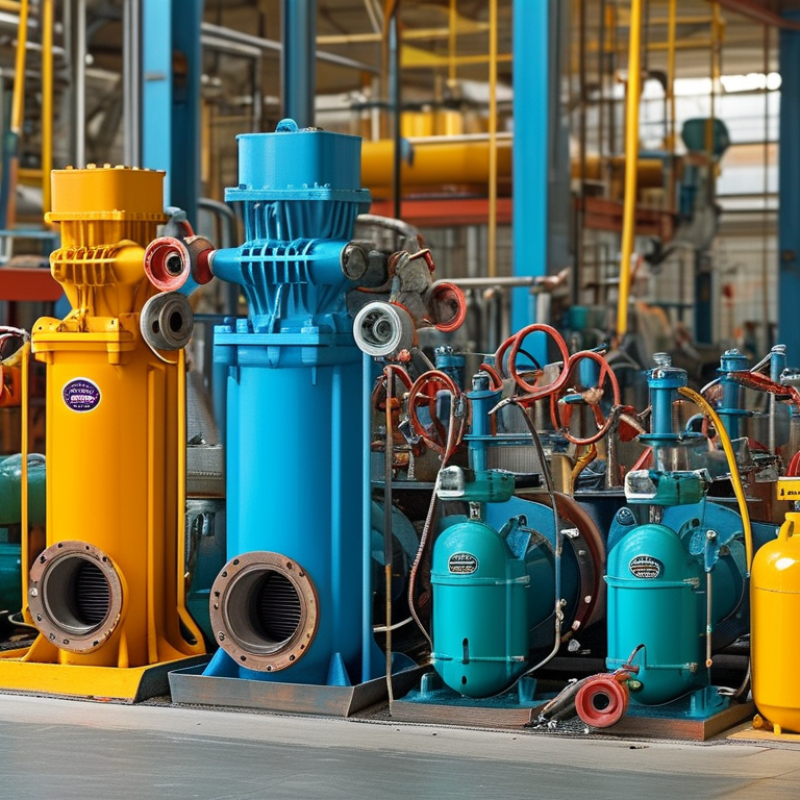
Diaphragm pumps are versatile devices often used in various industries. They effectively handle liquids, slurries, and gases. A key to selecting the right diaphragm pump lies in understanding its applications. For instance, they are ideal for applications requiring pulsation-free flow, such as in food processing and pharmaceuticals. Their ability to transfer abrasive and corrosive fluids makes them valuable in chemical industries as well.
When choosing a diaphragm pump, consider the material compatibility with the fluids being pumped. This ensures longevity and reduces maintenance costs. It's also crucial to evaluate the required flow rate and pressure. These factors directly impact the pump's efficiency. A pump that matches your specific needs can prevent premature failures and costly downtime.
Look into the pump's size and weight if space is limited. Smaller models can fit tight spaces, but they may not handle larger volumes effectively. Additionally, consider the ease of maintenance. A design that simplifies access to components can save time and effort. Keep in mind that over-specifying a pump for your needs can lead to unnecessary expenses. Balancing efficiency and cost will lead to better choices in the long run.
Key Factors to Consider When Selecting a Diaphragm Pump
When selecting a diaphragm pump, several key factors matter. The type of fluid being pumped is critical. Different fluids have unique properties, like viscosity and corrosiveness. For example, a report by the Fluid Handling Industry stated that 30% of pump failures are due to improper fluid selection. Understanding the chemical compatibility can prevent costly replacements.
Another essential aspect is the pump's operating pressure and flow rate. It is crucial to match these parameters to your specific application. An underpowered pump might lead to inefficiency, while an oversized one can cause cavitation. According to Hydraulics and Pneumatics magazine, nearly 25% of energy is wasted on mismatched pump sizes. Analyze your individual needs closely.
Pay attention to the diaphragm material too. It affects both performance and longevity. For example, Buna-N is common but not ideal for aggressive chemicals. In contrast, PTFE offers better resistance but at a higher cost. Choosing the right material can significantly influence maintenance frequency and overall operational costs. Always evaluate your choices carefully.
Comparison of Different Diaphragm Pump Types and Materials
When selecting a diaphragm pump, considering the types and materials is crucial for optimal performance. There are several diaphragm pump types available, including air-operated and electric-driven options. Air-operated pumps typically provide higher flow rates and are easy to maintain. They excel in corrosive environments. In contrast, electric pumps are quieter and more efficient for continuous operations but may be less adaptable to varying flow conditions.
Material selection is equally important. Many diaphragm pumps are made from plastics like polypropylene and PVDF or elastomers like nitrile and Santoprene. Research indicates that pumps utilizing PVDF can handle harsh chemical applications effectively. However, they are often more expensive. In contrast, nitrile has limitations in chemical resistance but offers cost benefits for less aggressive applications.
While many professionals emphasize durability and efficiency, it is essential to recognize the specific needs of your application. Sometimes, cost-saving choices on materials can lead to higher maintenance issues later. Evaluating these trade-offs can be challenging but critical in ensuring long-term reliability and performance. Experts recommend thorough testing and validation for the chosen pump configuration to avoid costly errors in the field.
Evaluating Performance Specifications for Your Pumping Needs
Selecting the right diaphragm pump requires a careful evaluation of performance specifications tailored to your specific needs. Begin by considering the pump's flow rate. This is crucial for determining how quickly you can transfer liquids or gases. A flow rate that meets your operational demands is essential to avoid delays. However, achieving a balance between speed and efficiency can be challenging. Some pumps may excel in speed but compromise on energy consumption, making it vital to assess your priorities.
Another important specification is the maximum pressure the pump can handle. Different applications require varying pressure levels. If the pump operates beyond its limits, it can lead to frequent breakdowns. This ultimately affects productivity. It's crucial to choose a diaphragm pump that can sustain your required pressure levels consistently. Pay attention to the materials used in the pump as well. Compatibility with the fluids being moved is vital. Using inappropriate materials can lead to corrosion and failure, requiring frequent replacements.
Assessing the noise level of the pump can also impact your working environment. A quiet operation is preferable in settings where noise pollution is a concern. However, some efficient pumps may produce more noise than expected. Remember to review user feedback and practical experiences for insights. The specifications are vital, but real-world efficacy can reveal more about the pump's reliability and durability. Each pump presents its own set of challenges, making it essential to reflect on these elements as you make your choice.
Maintenance and Durability Considerations for Diaphragm Pumps
When it comes to diaphragm pumps, maintenance is crucial. Regularly inspecting components helps you detect wear and tear. Look for signs of leakage or unusual noises during operation. Such issues often indicate that parts need replacing. Pay attention to the diaphragm itself; it should remain intact to ensure proper functionality.
Durability is another vital factor to consider. Quality materials greatly influence a pump's lifespan. For instance, pumps made from reinforced plastics or stainless steel often withstand harsher conditions. Ensure the pump is suitable for the application, as mismatched equipment can lead to premature failure. Some may overlook routine maintenance procedures, which can have detrimental effects.
Furthermore, operating conditions matter significantly. High temperatures or corrosive substances can wear down even robust pumps. It's essential to maintain a clean environment around the pump to avoid damage. Evaluate your setup periodically. Have you considered all factors that might affect performance? Regular assessments can prevent larger issues down the line.
Essential Tips for Choosing the Right Diaphragm Pump: Performance Metrics