



Why Should You Choose a Waterproof Drone?
A drone over water faces more than scenery: spray, sudden rain, and an awkward landing can threaten its electronics. A Waterproof Drone is designed to reduce those risks through sealed components and a stated water-resistance rating. That does not mean every model can be submerged, flown through storms, or recovered after any crash. Check the maker’s specifications. A rating, operating limits, and maintenance guidance matter more than a rugged-looking shell. For coastal photographers, anglers, and inspection teams, this protection may keep a useful flight from ending in costly damage. Still, water resistance is only one part of a safe setup. Wind, battery condition, signal quality, and local flight rules deserve equal attention.
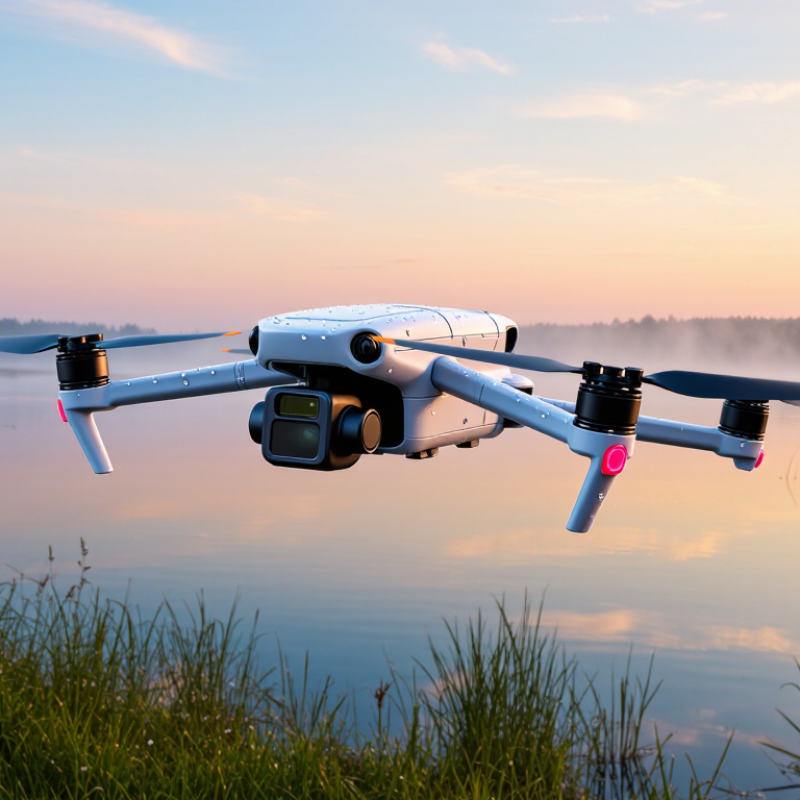
Imagine launching beside a lake at dawn: damp grass brushes the landing gear, and fine spray reaches the camera housing. A properly selected aircraft can offer added confidence in such conditions, while suitable planning keeps avoidable risks low. Look for clear limits on rain, saltwater exposure, rinse procedures, and post-flight drying. Salt leaves residue. Even a water-resistant drone may need careful cleaning after coastal use. One detail is easy to overlook: extra sealing can add weight, cost, or maintenance steps. The best choice depends on where you fly, what you carry, and how often wet conditions are likely. No rating replaces judgment. This guide explores the practical advantages, trade-offs, and checks that can help you decide whether a Waterproof Drone fits your needs.
Define Waterproof Ratings: IEC 60529 IP67 Allows 1 m for 30 Minutes
A waterproof drone can keep working when a brief shower or splash would ground an ordinary aircraft. But “waterproof” needs a precise definition. Under IEC 60529, an IP67 rating means the enclosure is dust-tight and can withstand temporary immersion. The familiar test description is up to 1 metre of water for 30 minutes, under specified laboratory conditions.
That number is useful, but it is not a promise for every flight. A hard landing can crack a seal, while salt water, muddy spray, or repeated exposure may challenge parts differently. Check that the rating applies to the complete drone, not only a camera or battery compartment. After wet use, inspect covers and connectors, then dry the aircraft as its manual directs. Small details matter.
IP67 is a safety margin, not an invitation to fly underwater. I would still avoid deliberate immersion. Water pressure, movement, and wear can differ from a controlled test tank. And honestly, a rating can make people overconfident. The propellers may keep spinning, but wet surfaces and gusts still make recovery harder. A waterproof design helps protect equipment when conditions turn messy; it does not remove the need to judge those conditions carefully.

Compare IP68: Immersion Depth and Duration Are Manufacturer-Specified
Why Should You Choose a Waterproof Drone?
A waterproof drone can keep a shoreline survey or rainy-day inspection from ending at the first splash. But “waterproof” is not a blank cheque. IP68 combines dust protection with immersion protection, yet IEC 60529 does not set one universal depth or duration for every IP68 product. The conditions must be specified for the particular device.
The contrast matters. Under IEC 60529, IPX7 testing generally covers temporary immersion at a depth of up to 1 metre for 30 minutes. IPX8 covers immersion beyond IPX7, under conditions declared by the manufacturer. Check the product documentation for the tested depth and duration, and whether the test applies to a powered drone or a sealed unit. Water temperature, salt, impact damage, and worn seals can also affect real-world performance. I would treat the rating as a boundary, not a promise.
Tips: Before flying near water, inspect seals and ports. Record the stated depth and time. If either is missing, ask the supplier; guessing is a poor test plan.
| Rating or Check | What It Means | Immersion Depth and Duration | What It Means for Drone Use | What to Verify Before Purchase |
|---|---|---|---|---|
| IP67 | The first digit, 6, indicates a dust-tight enclosure. The second digit, 7, indicates protection against temporary immersion under the rating’s test conditions. | Standard IPX7 testing uses immersion in fresh water to a depth of 1 metre for 30 minutes. | May suit brief, accidental immersion, but this rating does not establish protection for deeper or longer submersion. | Check whether the rating applies to the complete assembled drone, including battery compartment, covers, and seals. |
| IP68 | The first digit, 6, indicates a dust-tight enclosure. The second digit, 8, indicates immersion protection under conditions agreed for the equipment. | Depth and duration are specified by the manufacturer; there is no single universal IP68 depth or time. | Can be appropriate for planned immersion only when the stated limits cover the intended depth, duration, and operating conditions. | Look for the exact tested depth, maximum duration, water conditions, and any required setup or maintenance instructions. |
| IPX6 | The “X” means no dust-protection rating is stated. The second digit, 6, indicates protection against powerful water jets under test conditions. | IPX6 is a water-jet test, not an immersion rating. | May be relevant for exposure to forceful splashes or jets, but it does not show that a drone can be submerged. | Do not treat a water-jet rating as proof of immersion protection; check for a separate immersion rating. |
| IPX8 | The “X” means no dust-protection rating is stated. The second digit, 8, indicates immersion protection under manufacturer-specified conditions. | The manufacturer specifies the depth and duration; the exact limits can differ between products. | Provides immersion information, but by itself does not confirm dust protection or suitability for every aquatic environment. | Confirm both the immersion limits and whether a separate dust rating is provided. |
| Salt water and contaminated water | Water-resistance ratings describe performance under defined test conditions; they do not automatically establish resistance to salt, chemicals, or debris. | Do not assume the stated immersion limits apply to seawater, chlorinated water, or muddy water unless the manufacturer says so. | Salt and contaminants can increase corrosion or interfere with seals, connectors, and moving parts. | Check the care instructions, permitted water types, and whether rinsing and drying are required after use. |
| Whole-system protection | A rating may apply only to specified equipment and configurations; accessories and replacement parts may have different protection levels. | Use the stated limits only for the tested configuration and conditions. | A vulnerable battery door, charging port, payload, or damaged seal can compromise practical water protection. | Check which components are covered, whether the battery must be installed, and how wear or repairs affect the rating. |
| Key takeaway | Choose a drone based on the specific water exposure you expect. For IP68, compare the manufacturer-stated immersion depth and duration rather than assuming one standard limit. An IP rating is not a guarantee against damage in every real-world condition. | |||
Assess Saltwater Exposure and Corrosion Risks for Drone Components
Why Should You Choose a Waterproof Drone?
Saltwater exposure can begin with a fine mist, not a dramatic splash. As water dries, salt crystals collect around motor shafts, connectors, screw heads, and battery contacts. NOAA’s National Ocean Service puts average ocean salinity at about 35 parts per thousand. That salty residue can attract moisture and encourage corrosion, especially when a drone is stored damp. Small gaps matter.
A waterproof rating can reduce water entry, but it does not make every component immune to salt. Check whether the rating covers the aircraft, battery, camera, and connectors, and whether it applies after wear or repair. NACE International’s 2016 IMPACT study estimated corrosion costs at $2.5 trillion worldwide, or 3.4% of global GDP in 2013. This is an economy-wide estimate, not a drone-specific risk calculation, but it shows why corrosion prevention deserves attention.
After coastal flights, rinse exposed surfaces with fresh water only if the manufacturer permits it; then dry the aircraft thoroughly before storage. Look for cloudy connector pins, greenish deposits, rough motor rotation, or moisture beneath covers. A seal can degrade. Waterproofing also adds maintenance questions, and I would not assume a “waterproof” label means saltwater-ready. Check the stated test conditions and inspect seals regularly.
Match Mission Conditions to the Drone’s Tested Water-Resistance Rating
A waterproof drone should be chosen for the water it will actually meet, not for the strongest-sounding label. IEC 60529 defines protection ratings through controlled tests, and the conditions matter. An IPX4 rating tests resistance to splashing water; it does not establish protection against immersion. An IPX7 test covers temporary immersion in fresh water, generally up to one metre for 30 minutes.
That matters. A windy shoreline can throw spray sideways, while a calm pond may still expose a landed aircraft to brief immersion.
Match the test to the mission. For drizzle or occasional spray, check the manufacturer’s tested rating and the exact test conditions. For water landings or recovery near the surface, verify immersion protection and whether the rating applies to the complete aircraft, including battery and ports. IPX7 is not a promise of safe flight underwater, resistance to saltwater corrosion, or protection from repeated exposure.
Water is messy. Salt, grit, and a loose access cover can change the risk.
It is easy to overread a rating; I would want the actual test report, not just a number on a product page. After a wet flight, inspect seals and connectors, even when no water is visible.
Plan Post-Flight Care Around Seals, Ports, and Manufacturer Guidance
Why Should You Choose a Waterproof Drone?
Plan Post-Flight Care Around Seals, Ports, and Manufacturer Guidance
A waterproof rating is not a promise that every wet flight is harmless. IEC 60529 defines IPX7 testing as temporary immersion in water up to one metre deep for 30 minutes. That laboratory condition does not automatically cover saltwater, dirty water, impact damage, or repeated exposure. Check the aircraft’s stated limits before flying, and follow its manual after every wet landing.
Start with the seals. Look for grit, hairline cracks, or a pinched edge around battery doors and access covers. Wipe the exterior with a soft, clean cloth. Rinse only when the manufacturer permits it; salt crystals can remain around hinges and seams.
Inspect charging ports and connectors under bright light, then let them dry fully before charging. No shortcuts. Avoid poking ports with metal tools or using heat to speed drying. A dry shell can still hide moisture.
It is easy to miss a little water beneath a flap, especially when packing up in a hurry. Keep a simple log of exposure, cleaning, and any seal damage, and contact the manufacturer when instructions leave room for doubt.
Article Source:

Whether your solution requires a single pumping application or an expansive engineered system,
CheckPoint is committed to becoming your partner in excellence.


