

An empty venue can make every seat seem close to the action. Once guests sit down, heads, cameras, and lighting stands may block the view. A Lift Stage raises performers, products, or presenters above the surrounding floor. That added height can improve sightlines and give a launch or performance a clear focal point. It can also support timed entrances, reveal moments, and scene changes. Small details matter. Stage height, platform size, and movement speed should suit the room and the program.
For a product reveal, a controlled rise can make an object visible from the back rows. But a lift is not automatically the right choice. Ceiling clearance, floor capacity, audience distance, and equipment specifications all deserve review. A qualified production team should confirm load limits, operating controls, and rehearsal needs before installation. Operators also need a clear cue plan when music, lighting, and movement happen together. Ask the supplier about dimensions, travel distance, setup requirements, and maintenance records. A test run can expose awkward timing or blocked sightlines. That feedback may change the plan. A Lift Stage adds mechanical complexity, and that deserves honest attention. Poorly timed movement can distract rather than impress. With careful planning, it can make an event more visible and memorable without relying on spectacle alone.
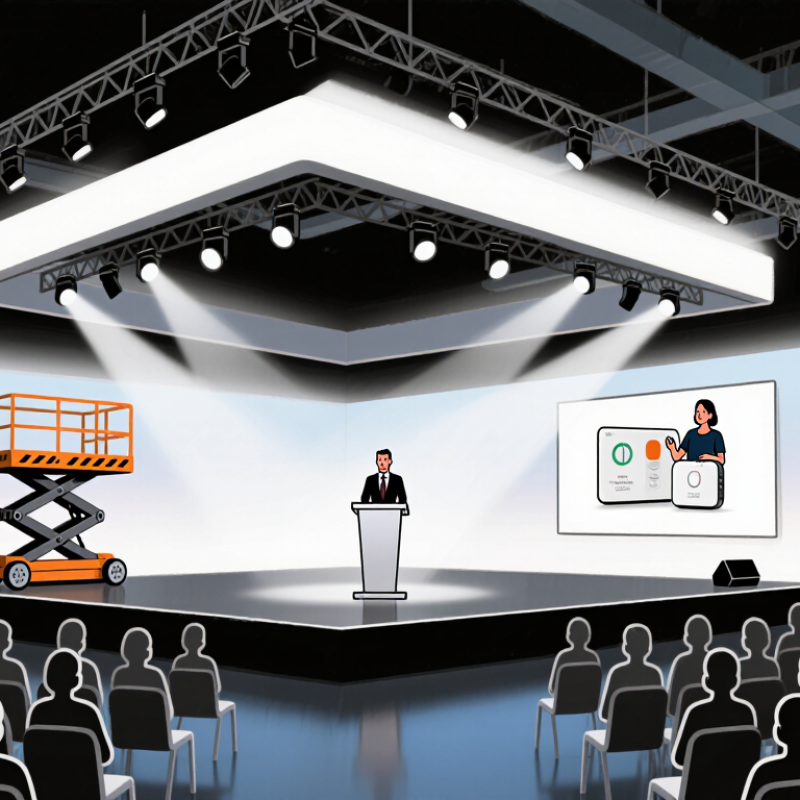
A lift stage is a performance platform that moves vertically through powered equipment beneath its deck. Common designs use scissor linkages or guided columns, driven by electric or hydraulic actuators. An operator controls the movement from a panel, while travel limits help keep the platform within its operating range. This can raise a speaker above seated guests or create a reveal without rebuilding the stage. The exact mechanism varies, so the term “lift stage” alone does not explain its capacity or controls. Not magic.
Before use, the crew checks the floor, cables, controls, deck, and planned load. Several performers, instruments, and scenery can add up quickly. The deck should remain within its rated capacity, and people should stay clear while it moves unless its procedures specifically allow occupancy. The U.S. Bureau of Labor Statistics reported 865 workplace deaths from falls, slips, and trips in 2022 across all industries; the figure is not specific to event stages, but it shows why elevated work deserves careful controls. ESTA’s ANSI E1.6-1 standard covers powered entertainment hoist systems and offers relevant technical guidance where hoists are involved. A small tilt can be hard to see from the audience. That matters.
A lift stage is a platform that can be raised or lowered to create changing stage heights or reveal performers and equipment. The details below describe common system features; specifications and operating procedures vary by equipment and venue.
| Dimension | How It Works or What to Expect | Why It Can Help an Event | Planning Consideration |
|---|---|---|---|
| Basic definition | A movable platform designed to change elevation, either before an event or during a programmed stage transition. | Creates a more dynamic stage layout than a fixed-height platform. | Confirm that the platform is intended for the performers, scenery, or equipment planned for the event. |
| Raising mechanism | Many systems use linked scissor arms driven by hydraulic cylinders or electric actuators. The mechanism extends to raise the platform and retracts to lower it. | Allows controlled height changes and can support planned entrances, reveals, or scene changes. | Ask the supplier about power requirements, operating speed, noise, and the approved control procedure. |
| Height adjustment | The platform moves between its specified minimum and maximum working heights. The available range depends on the particular system. | Can provide a low starting position and a raised position for improved visibility or a dramatic reveal. | Check ceiling clearance, overhead rigging, sightlines, access routes, and the stage design at every planned height. |
| Load and stability | Each lift has a rated capacity and operating limits. Load capacity may depend on how weight is distributed across the platform. | A correctly selected and operated lift can accommodate approved stage elements within its specified limits. | Obtain the rated capacity and loading guidance. Include performers, scenery, instruments, and other loads in the assessment. |
| Controls and movement | An authorized operator uses the system controls to raise or lower the platform. Some event movements are rehearsed and coordinated with show cues. | Supports timed transitions when movement is integrated into the production plan. | Rehearse the movement, keep people clear of moving parts, and follow the equipment instructions and venue procedures. |
| Safety features | Depending on the design, a lift may include features such as travel limits, mechanical supports, or controls intended to prevent unintended movement. | Appropriate safeguards and trained operation help manage risks associated with moving platforms. | Never assume features are present; verify the equipment, inspection status, barriers, and emergency procedures with the responsible operator. |
| Event applications | Lift stages are used in productions and presentations that call for an elevated entrance, a changing stage level, or a concealed platform reveal. | Can add visual impact and help distinguish performers, speakers, or set pieces within a stage design. | Consider whether the visual effect justifies the additional setup, technical coordination, and operating requirements. |
| Venue and setup | The lift must be installed on a suitable surface and integrated with the stage, access, power, and production plans. | Early coordination can make the lift part of a coherent stage layout and show schedule. | Check floor loading, transport access, setup time, cable routing, accessibility, and local venue requirements. |
Specifications differ by equipment and installation. Confirm capacity, dimensions, operating limits, safety provisions, and applicable requirements with the qualified supplier and venue before use.
Whether your solution requires a single pumping application or an expansive engineered system,
CheckPoint is committed to becoming your partner in excellence.