


Top Wall Mounted Dehumidifiers for Home and Office Use?
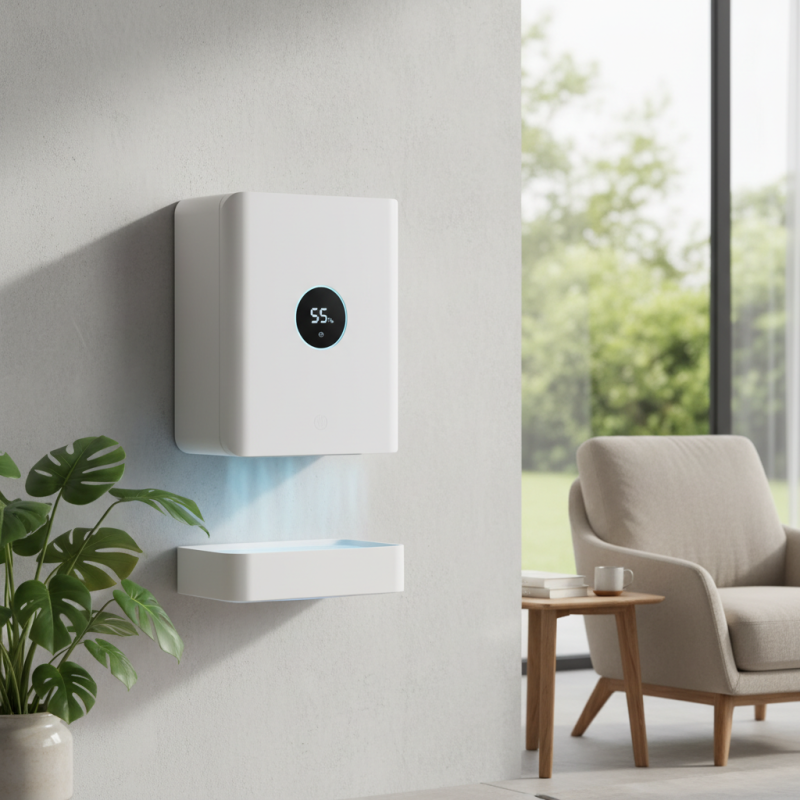
In the quest for a comfortable living environment, a wall mounted dehumidifier emerges as a practical solution. Humidity issues can lead to mold growth and unpleasant odors. This is especially true in homes and offices with poor ventilation. A wall mounted dehumidifier offers an efficient way to tackle excess moisture without sacrificing valuable floor space.
Selecting the right wall mounted dehumidifier requires careful consideration. The market is flooded with various options that cater to different needs. Understanding your specific requirements, such as room size and humidity levels, is essential. Some models boast advanced technology, while others focus on simplicity. It is crucial to weigh the pros and cons of each.
Despite their advantages, wall mounted dehumidifiers can present challenges. Installation might be daunting for some, and maintenance is key for optimal performance. Users often overlook the importance of regularly emptying the tank or cleaning the filters. Reflecting on these factors can help ensure you choose the right model for your space.
Top Wall Mounted Dehumidifiers: Key Features to Consider
When selecting a wall-mounted dehumidifier, understanding key features is crucial. Look for capacity ratings that match your space. A unit with a capacity of 20 to 70 pints per day is typically suitable for most rooms. Size matters; ensure it fits your designated wall space without obstructing airflow. Compact designs often work well in smaller areas.
Energy efficiency is another important aspect. Many models feature energy star ratings, which can lead to lower electricity bills. Consider drainage options too. Some units offer continuous drainage, reducing the need for manual emptying. Look at noise levels as well; quieter models are essential for bedrooms or offices.
It's easy to overlook maintenance needs. Regular cleaning of filters is vital for optimal performance. Units with easy-to-access filters make this task simpler. Warranty coverage can indicate manufacturer confidence. Extended warranties may offer peace of mind. Balancing these features may take some time, but understanding your needs will help in making the right choice.
Understanding Humidity Levels: Ideal Ranges for Home and Office
Understanding humidity levels is crucial for maintaining a healthy environment in both homes and offices. The ideal humidity range is typically between 30% and 50%. This range prevents mold growth, protects furniture, and maintains comfort. When levels drop below this threshold, discomfort and health issues can arise. Dry skin and respiratory problems are common complaints.
High humidity, on the other hand, can create a breeding ground for mold and dust mites. It can also lead to structural damage in buildings. Keeping humidity levels in check is not just about comfort. It's also about protecting your investments. Regular monitoring is necessary. Consider using hygrometers to check humidity levels consistently.
Understanding humidity dynamics requires ongoing adjustments. Seasonal changes and indoor activities can alter these levels. Cooking, showering, and even breathing add moisture. Reflecting on these factors will help you maintain a stable environment. Finding that balance may take time and trials. Experimentation with ventilation and air circulation can yield improvements.
Energy Efficiency Ratings: Comparing the Best Models Available
When considering wall-mounted dehumidifiers, energy efficiency is crucial. A unit's efficiency rating determines not only its performance but also its operational costs. The most effective models showcase a balance between low energy consumption and high moisture removal rates. These metrics are essential for both home and office environments.
Recent models have made significant advancements. Some boast energy factors that exceed previous standards, ensuring less energy waste. However, potential buyers should examine specifics beyond the star ratings. Real-world conditions can affect performance. Issues like ambient humidity and temperature fluctuations can impact efficiency.
It's also worth noting that larger units may not always be the best choice. Space constraints and specific air needs dictate the right size for your area. Investing in a model that fits your environment ensures optimal moisture control without unnecessary energy use. Users must consider both energy consumption and the unit's capability to address their unique needs. Finding this balance is often challenging, yet essential for long-term satisfaction.
Common Applications: Where to Use Wall Mounted Dehumidifiers
Wall mounted dehumidifiers are ideal for both home and office settings. They help reduce excess moisture in the air, preventing mold and mildew growth. These appliances are particularly useful in basements, laundry rooms, and high-humidity areas. They can easily fit into tight spaces, saving valuable floor area.
In offices, maintaining optimal humidity levels is essential. A wall mounted dehumidifier keeps equipment dry and prevents damage. It also creates a more comfortable environment for employees. Many installations are low-profile and discreet, blending with the room decor.
Additionally, they often come with user-friendly controls, enhancing usability.
However, there can be challenges with installation and maintenance. Some models require professional setup. Regular cleaning of filters is necessary for optimal performance. Users might find themselves adjusting settings to find the perfect balance. Understanding moisture levels in your space is key. It’s important to monitor performance to ensure it meets your needs.
Maintenance Tips: Ensuring Longevity and Optimal Performance
Proper maintenance of wall-mounted dehumidifiers ensures their longevity and optimal performance. Regularly check the water collection bucket to prevent overflow and mold growth. Empty it frequently, especially in humid conditions. This simple task can save you from more significant issues down the line.
Cleaning the air filters is another crucial step. Clogged filters hinder airflow and reduce efficiency. Aim to clean or replace them monthly. Some find this tedious, but it’s effective in maintaining air quality. Also, inspect the unit for dust and dirt buildup. A clean exterior promotes better functioning.
Consider the humidity levels in your space. High humidity can strain the dehumidifier, leading to higher energy costs. Monitor your environment to adjust settings appropriately. Sometimes, users forget this, unknowingly pushing their units harder than necessary. Regular checks and adjustments can lead to significant energy savings.
Top Wall Mounted Dehumidifiers for Home and Office Use
This chart represents the average monthly humidity levels in five different environments: Living Room, Basement, Office, Bathroom, and Bedroom. Monitoring humidity levels is essential for maintaining optimal performance of dehumidifiers and ensuring a comfortable living environment.
Article Source:

Whether your solution requires a single pumping application or an expansive engineered system,
CheckPoint is committed to becoming your partner in excellence.


