What Are the Top Electric Tricycle Types for 2026?
Choosing the right Electic Tricycle in 2026 requires more than comparing motor power and glossy specifications. Different designs solve different daily problems. Cargo tricycles support deliveries, market trips, and small business work. Passenger models help families, caregivers, and community transport services. Folding versions suit apartment storage and limited travel space. Mobility-focused tricycles often prioritize low step-through frames, comfortable seating, and simple controls.
Real-world use matters.
A useful comparison should examine battery range, charging time, braking performance, tire width, turning space, and maximum practical load. A powerful motor may climb hills confidently, but it can also increase weight and energy use. A large battery sounds reassuring, yet charging access may matter more for apartment residents. These details can change the best choice completely.
Experience from everyday riders also reveals important differences. A stable rear axle feels reassuring on flat roads, while uneven paths may expose weak suspension or poorly balanced cargo. Test rides are valuable, especially for older riders and people carrying children. Riders should check whether replacement batteries, service centers, and spare parts remain available after purchase. Manufacturer claims deserve careful review. They are useful, but never perfect.
This guide compares the leading electric tricycle types expected to shape 2026. It considers practical comfort, safety features, operating costs, and long-term reliability. Some models will look impressive on paper. Others may perform better beside a grocery cart, a steep driveway, or a crowded bike lane. The right answer depends on real routines, not marketing language. Expect useful choices, trade-offs, and a few conclusions that may need reconsideration as battery technology develops.
What Defines an Electric Tricycle in 2026?
What Are the Top Electric Tricycle Types for 2026?
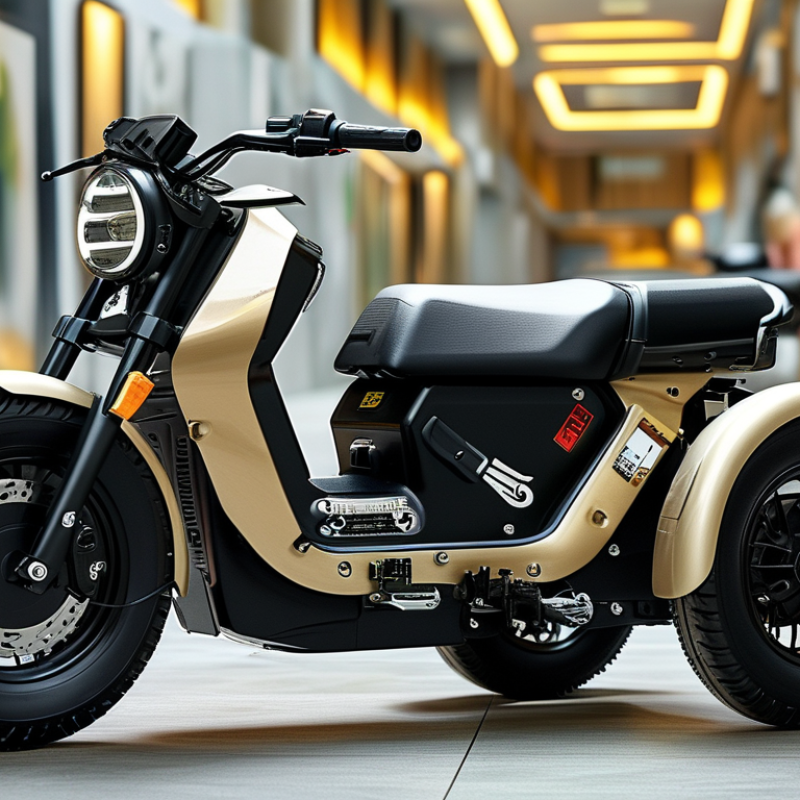
An electric tricycle in 2026 is more than three wheels and a motor. It combines stable geometry, battery assistance, controlled braking, and practical rider protection. The best designs feel predictable when starting, turning, and stopping. That matters on wet pavement, narrow paths, and crowded residential streets.
Cargo electric tricycles remain useful for groceries, tools, and small deliveries. Their low loading platforms can reduce lifting strain.
Mobility-focused models often include step-through frames, supportive seats, mirrors, and simple control panels.
Folding versions suit apartment storage and public transport connections. Compact urban models are easier to park, but they may sacrifice carrying space.
Off-road designs add wider tires and stronger suspension for uneven trails, though extra weight can reduce efficiency.
Battery safety is a defining feature. A well-designed system should include secure mounting, clear charge information, and protection against overheating. Mechanical brakes still deserve attention, even with electronic assistance. In my experience, riders often focus on range first. That can be a mistake. Frame balance, turning width, service access, and replacement parts may matter more each week. Smart displays can show useful data, but complicated menus may distract older riders. More technology is not always better.
The category is still evolving. Some 2026 models promise impressive distance, yet heavier batteries make loading difficult. Buyers should test a tricycle slowly, with real cargo, before trusting a specification sheet.
How Do Cargo Electric Tricycles Support Heavy Loads?
What Are the Top Electric Tricycle Types for 2026?
How Do Cargo Electric Tricycles Support Heavy Loads?
Cargo electric tricycles are built around stability, usable space, and controlled power. Their wide rear axle helps distribute weight across two wheels. A low cargo bed keeps heavy items closer to the ground. This reduces unwanted sway during slow turns. Still, stability is not automatic. An overloaded box can make steering difficult and increase braking distance.
Different designs suit different work. Front-loading models place the cargo between the rider and front wheels. They offer clear access and good visibility of the load. Rear-loading models often provide more room behind the seat. Enclosed boxes protect groceries, tools, or parcels from rain. Long-tail versions carry equipment with less overall width. Payload ratings must be checked carefully. The rating should include the rider, battery, accessories, and cargo.
Power assistance helps on ramps and rough pavement, but it cannot fix poor loading. Heavy items should sit low and near the frame’s center. Straps can prevent movement when the tricycle crosses a pothole. Strong brakes, reinforced wheels, and properly inflated tires also matter. I have found that users often focus on motor power first. That is understandable, but incomplete. A larger motor may consume more energy and still feel unsafe with uneven weight. Real performance depends on frame design, load balance, terrain, and maintenance. Test rides with realistic cargo reveal problems that specifications sometimes hide.
Why Choose Passenger and Family Electric Tricycles?
What Are the Top Electric Tricycle Types for 2026?
Passenger and family electric tricycles are becoming practical choices for short urban journeys. The International Energy Agency’s Global EV Outlook 2024 reports that electric two- and three-wheelers are among the most widely adopted electric road vehicles. Their appeal is easy to understand: three wheels provide a broader stance, while electric assistance reduces effort on hills and during repeated stops.
A family model can carry two children, groceries, or school bags, depending on its rated load. A low step-through frame helps older riders and caregivers mount safely. Enclosed seating, adjustable footrests, reflective panels, and reliable brakes matter more than flashy screens. The European Transport Safety Council emphasizes speed control, visibility, and protective equipment in vulnerable road-user safety discussions. These details deserve attention during test rides.
Range figures still need careful judgment. Battery performance changes with passenger weight, cold weather, hills, and tire pressure. The claimed distance may not match a daily route. That is the uncomfortable part. A useful family tricycle should offer stable handling, predictable braking, and accessible charging, not merely a large battery. Industry research from Grand View Research identifies utility and passenger applications as important growth areas in the electric tricycle market. Yet market forecasts are not personal proof. Families should measure doorways, storage space, route gradients, and local riding requirements before buying.
Top Electric Tricycle Types for 2026
Passenger and family electric tricycles are increasingly practical for school runs, neighborhood travel, shopping, and assisted mobility because they combine stable three-wheel handling with useful carrying capacity.
The figures show representative market ranges for non-branded electric tricycle configurations. Actual specifications vary by battery, motor, frame design, road conditions, and local regulations.
How Should You Select the Right Electric Tricycle Type?
Choosing the right electric tricycle starts with your daily routine, not the newest specification. A compact folding tricycle suits apartment storage and short urban trips. A cargo model works better for groceries, tools, or two children. A passenger tricycle offers a wider rear seat and steadier entry, while an all-terrain model handles gravel paths and uneven farm roads.
Measure your route carefully. Steep streets require a motor with strong climbing torque, not just a high advertised speed. Check the permitted load, including the rider, cargo, and accessories. A long wheelbase can improve stability, but it may feel awkward in narrow lanes. Test the turning circle near parked cars.
Battery size deserves practical attention. A large battery adds weight and may make lifting difficult. Estimate your daily distance, then leave reserve capacity for cold weather, hills, and aging cells. Removable batteries help apartment users, although carrying one upstairs is tiring. Check charging time, replacement access, and the clarity of the operating manual.
Safety details matter more than appearance. Look for responsive brakes, bright lighting, reflective surfaces, secure seat belts, and adjustable handlebars. A low step-through frame helps older riders, but it can reduce ground clearance. Take a slow test ride.
Do not trust one perfect feature. My first choice might change after one steep hill. Fresh pavement hides real problems. Ask a qualified dealer or service technician to inspect frame joints, wheel alignment, and brake adjustment before purchase.