What Are the Top Electric Pump Types in 2026?
Electric pumps are not one technology, but a family of machines chosen for different fluids, pressures, and operating conditions. In 2026, buyers will still compare familiar types: centrifugal pumps for high-volume transfer, submersible pumps for drainage, and positive-displacement designs such as gear, diaphragm, and peristaltic pumps for controlled flow. The best choice depends on the job. A pump that looks efficient on a product sheet may perform poorly when pipework, controls, or operating schedules are ignored.
The International Energy Agency’s 2011 report, Energy-Efficiency Policy Opportunities for Electric Motor-Driven Systems, estimates that motor-driven systems use about 45% of global electricity. Pumps are an important part of that picture. The U.S. Department of Energy and Hydraulic Institute’s Improving Pumping System Performance guide recommends evaluating the whole system, not just the pump’s rated efficiency. IEA Executive Director Fatih Birol has summarized the wider challenge in a memorable phrase: “Energy efficiency is the first fuel.” It applies here, though it does not tell buyers which pump to choose.
This guide compares leading electric pumps by operating principle, strengths, limitations, and typical applications. It also considers variable-speed models and smart controls, which can reduce wasted energy when demand changes. There is no tidy winner. A quiet submersible pump may suit a flooded basement, while a chemical process may require a carefully specified diaphragm model. Rankings can mislead; real duty conditions matter more.
How Electric Pumps Work and How They Are Classified
What Are the Top Electric Pump Types in 2026?
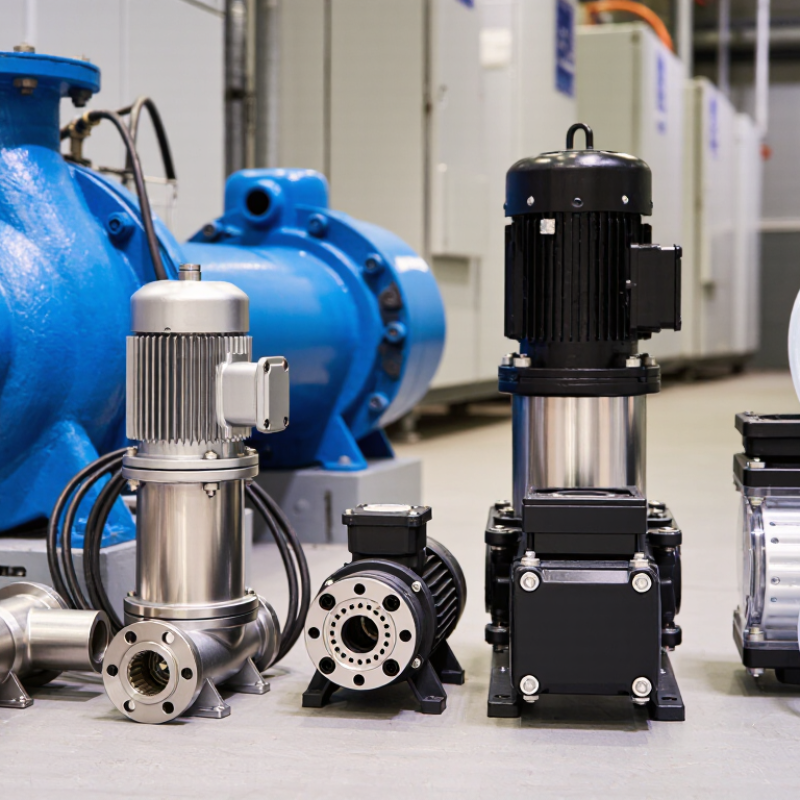
An electric pump uses a motor to move liquid by creating pressure or flow. The motor may spin an impeller, as in a centrifugal pump, or drive parts that trap and push measured volumes. These are different operating principles. Centrifugal pumps suit steady, high-flow tasks, while positive-displacement pumps, such as diaphragm and gear pumps, can provide controlled flow. Real performance depends on the liquid, pipe layout, and operating conditions.
Pump types can also be classified by installation and application. A submersible pump operates beneath the liquid surface, while a surface-mounted unit draws liquid through an inlet line. These labels can overlap: a submersible pump may use a centrifugal mechanism. That distinction is easy to miss. Before choosing a type, check required flow, lift height, liquid temperature, and whether the fluid contains particles. A small mismatch can reduce output or accelerate wear.
Tips: Read the pump’s performance curve, not just its maximum flow figure. Check inlet size, power supply, and seals, too. Keep the inlet clear, and listen for unusual vibration or rattling. Those clues do not identify every fault, but they can signal a problem worth investigating.
What Are the Top Electric Pump Types in 2026? — How Electric Pumps Work and How They Are Classified
Electric pumps are broadly classified as dynamic pumps, such as centrifugal pumps, and positive-displacement pumps, such as gear or diaphragm pumps. This chart shows the ideal affinity-law relationship for the same centrifugal pump and impeller: flow varies with speed, head with speed squared, and power with speed cubed. Values are percentages of the pump’s respective values at 100% speed; actual performance depends on the pump and system.
Centrifugal and Inline Pumps for High-Flow Applications in 2026
Centrifugal pumps remain a common choice for high-flow systems in 2026. Their rotating impeller adds velocity to the liquid, which the casing converts into pressure. In commercial buildings, they often serve cooling-water loops, irrigation networks, and process lines. Flow is not everything. Engineers also check the required head, fluid temperature, and expected operating hours before choosing a model.
Inline pumps offer a space-saving option when pipework runs through mechanical rooms or plant areas. Their inlet and outlet sit on the same axis, so they can fit directly into a pipeline. This arrangement can reduce floor-space demands and simplify some installations. However, access for maintenance still matters. A compact pump can be awkward to service if valves, wiring, or nearby pipes block the motor.
The right choice depends on the system curve, not just a headline flow rate. A centrifugal pump may suit a broad range of duties, while an inline design can help where space is tight and flow remains steady. Variable-speed control may reduce energy use when demand changes, but it adds setup and commissioning considerations. Check the pump’s performance curve against real operating conditions, including pipe losses and seasonal demand. Those details are easy to overlook, and they can change the selection.
Submersible, Diaphragm, and Gear Pumps for Specialized Needs
Submersible, diaphragm, and gear pumps solve different problems. A submersible pump sits below the liquid surface, making it practical for sumps, drainage pits, and wastewater tanks. Check the solids passage and motor cooling requirements; grit can wear components faster than a simple flow estimate suggests. Diaphragm pumps suit metering, viscous fluids, and some abrasive or corrosive liquids because the pumped fluid stays separated from the drive. Their pulsing flow may need damping. Gear pumps deliver steady flow for oils, resins, and other viscous fluids, but abrasive particles can accelerate wear.
Energy matters, too. The U.S. Department of Energy’s Improving Pumping System Performance: A Sourcebook for Industry reports that pumping systems use nearly 20% of global electricity demand, and 25–50% of energy in some industrial facilities. These figures describe pumping systems broadly, not one pump type. Still, they make operating conditions worth checking before purchase. A pump that matches the duty point can reduce wasted energy, but selection tables rarely capture every real-world complication.
Tips: Match the pump to fluid viscosity, solids, flow, and head. For submersible units, verify minimum liquid level and access for maintenance. For diaphragm pumps, check pulse control. For gear pumps, keep abrasive solids out where possible. When uncertain, measure the actual fluid and duty cycle; assumptions can be wrong.
How Electric Pump Types Compare in Flow, Pressure, and Efficiency
In 2026, electric pump comparisons still begin with the job, not the motor label. Centrifugal pumps suit steady, high-volume transfer of relatively thin liquids. Their flow can drop when discharge pressure or lift increases. Positive-displacement pumps, including gear and diaphragm designs, deliver a more consistent volume per cycle. They can handle thicker fluids, but pressure rises quickly if the outlet is restricted. That matters. A pump’s maximum pressure is not the same as its useful operating range.
Efficiency depends on matching the pump to its system. A centrifugal unit often performs well near its rated operating point, while throttling it far from that point can waste power. Variable-speed control may help when demand changes throughout the day. Positive-displacement models can be efficient with viscous liquids, though seals, valves, and pulsation may need attention. Submersible pumps move water from below the surface and avoid some suction problems, but access for inspection can be awkward. Check the pump curve, fluid temperature, pipe losses, and expected flow before comparing energy use. Real installations are messy; a clean specification sheet rarely tells the whole story.
What Are the Top Electric Pump Types in 2026? - How Electric Pump Types Compare in Flow, Pressure, and Efficiency
| Electric pump type |
Typical flow range |
Typical pressure / head range |
Indicative efficiency |
Best suited for |
Key comparison |
| End-suction centrifugal |
20–2,000 L/min |
1–10 bar (10–100 m head) |
About 40–80% |
Clean, low-viscosity liquids; general water transfer and circulation |
High flow and simple operation; flow falls as system resistance increases. |
| Submersible centrifugal |
50–5,000 L/min |
0.5–15 bar (5–150 m head) |
About 30–75% |
Drainage, wells, wastewater, and submerged installations |
Pumps directly in the liquid, reducing priming needs; solids capability depends on design. |
| Vertical multistage centrifugal |
10–800 L/min |
5–40 bar (50–400 m head) |
About 45–80% |
Pressure boosting, boiler feed, and clean-water systems |
Multiple impellers build higher pressure while retaining a compact footprint. |
| External gear positive-displacement |
1–500 L/min |
2–20 bar |
About 30–75% |
Oils, fuels, and other lubricating or moderately viscous liquids |
Delivers near-proportional flow with speed; requires pressure relief protection. |
| Progressive cavity (single-screw) |
5–1,000 L/min |
2–48 bar |
About 40–75% |
Viscous fluids, slurries, and shear-sensitive products |
Smooth, low-pulsation flow; elastomer compatibility and wear need consideration. |
| Electric diaphragm metering |
0.001–100 L/min |
Up to about 200 bar, depending on model and flow |
About 10–50% |
Accurate dosing of chemicals and low-volume process fluids |
Offers precise, adjustable dosing; output is generally pulsating and flow is modest. |
| Peristaltic (hose) pump |
0.001–200 L/min |
Typically up to 10–15 bar |
About 10–40% |
Abrasive, corrosive, sterile, or shear-sensitive fluids |
Only the hose contacts the fluid; hose life and pressure rating limit performance. |
Note: Figures are indicative engineering ranges, not guaranteed ratings. Actual flow, pressure, and efficiency vary with pump size, speed, liquid properties, installation, and operating point. Head is the energy added per unit weight of liquid; for water, 10 m of head is approximately 1 bar of pressure.
How to Choose the Right Electric Pump for Your Application
What Are the Top Electric Pump Types in 2026?
How to Choose the Right Electric Pump for Your Application
Start with the liquid, not the pump category. Clean, water-like fluids often suit centrifugal pumps, which move high volumes efficiently when system pressure requirements are understood. Gear pumps can handle thicker liquids and steady transfer, while diaphragm pumps are useful for controlled dosing or fluids that need isolation from moving parts. Submersible pumps are designed to operate below the liquid surface, making them common for tanks and drainage pits. Small details matter.
Next, define the actual duty point: required flow rate and total head, including pipe length, elevation, bends, and filters. A pump selected only by its maximum flow rating may perform poorly once connected. Check its performance curve at your expected operating point. Also consider fluid temperature, viscosity, solids, and chemical compatibility; seal and casing materials must suit the liquid. If the fluid contains particles, confirm the permitted particle size rather than assuming the pump can pass them.
Then match the motor and controls to the site. Verify available voltage, running hours, start frequency, and whether variable-speed control is useful. Plan for dry-running or overheating protection where conditions warrant it. A common mistake is choosing extra capacity “just in case”; oversizing can waste energy and create unstable flow. During commissioning, compare measured pressure and flow with the design target, and watch for unusual vibration or leaks. The first estimate may be wrong, so leave room to adjust settings.