China Top Aluminium Die Casting Auto Parts Suppliers
China is a major sourcing base for Aluminium Die Casting Auto Parts, serving passenger vehicles, commercial fleets, and electric-vehicle programs. Its suppliers range from focused foundries to manufacturers offering tooling, machining, and assembly under one roof. The differences matter. A polished website cannot tell you how a supplier controls molten-metal temperature or checks a thin-walled housing for porosity.
Casting expert John Campbell emphasizes a core principle: “The quality of a casting is determined by the quality of the liquid metal.” That observation is useful when comparing suppliers, but it is only part of the picture. Buyers should also examine alloy selection, die design, dimensional inspection, machining capacity, and traceability. Ask how sample parts are measured, how defects are recorded, and what happens when a batch misses tolerance. Specific answers are more useful than broad promises.
This guide introduces leading Chinese suppliers and the capabilities that distinguish them. It considers production scale, technical support, quality systems, export experience, and the kinds of components each company makes. Small details count: a stable sealing surface, clean threaded holes, or consistent wall thickness can affect assembly on the vehicle line. Still, supplier lists have limits. Rankings change, and a strong factory may not suit every project. Treat the names as a starting point, then verify processes, documentation, and sample parts against your own specifications. The less glamorous checks often reveal the most.
Understanding Aluminum Die Casting for Automotive Parts
Aluminum die casting shapes automotive parts by forcing molten aluminum into a steel mold under pressure. The process can produce complex housings, brackets, and structural components with repeatable dimensions. Thin walls and integrated features may reduce part weight and assembly steps. Details matter. Mold design, alloy choice, and cooling conditions all affect strength, surface finish, and porosity. A casting that looks smooth outside may still need inspection for internal defects.
For automotive applications, engineers consider heat, vibration, load, and corrosion exposure before selecting a casting design. Production teams may use visual checks, dimensional measurements, and appropriate non-destructive testing to verify parts. Requirements vary by component, so a single inspection method is not always enough. When comparing suppliers in China, ask about tooling maintenance, process monitoring, sample validation, and traceability. A low quotation can leave important assumptions unclear; that deserves a closer look.
Tips: Share drawings, alloy requirements, and expected operating conditions early. Ask how critical dimensions are measured and how defects are handled. Review sample parts under realistic assembly conditions. Small design changes can improve metal flow, but they may also affect tooling cost. There is no perfect shortcut.
Aluminum Die Casting for Automotive Parts: Material Density
Typical density comparison of metals used in automotive manufacturing (g/cm³).
Aluminum’s typical density is about 2.70 g/cm³, substantially lower than steel’s 7.85 g/cm³. This helps explain why aluminum die castings are used for lightweight automotive components. Values are approximate; specific alloys vary.
How Chinese Suppliers Manufacture Automotive Die Castings
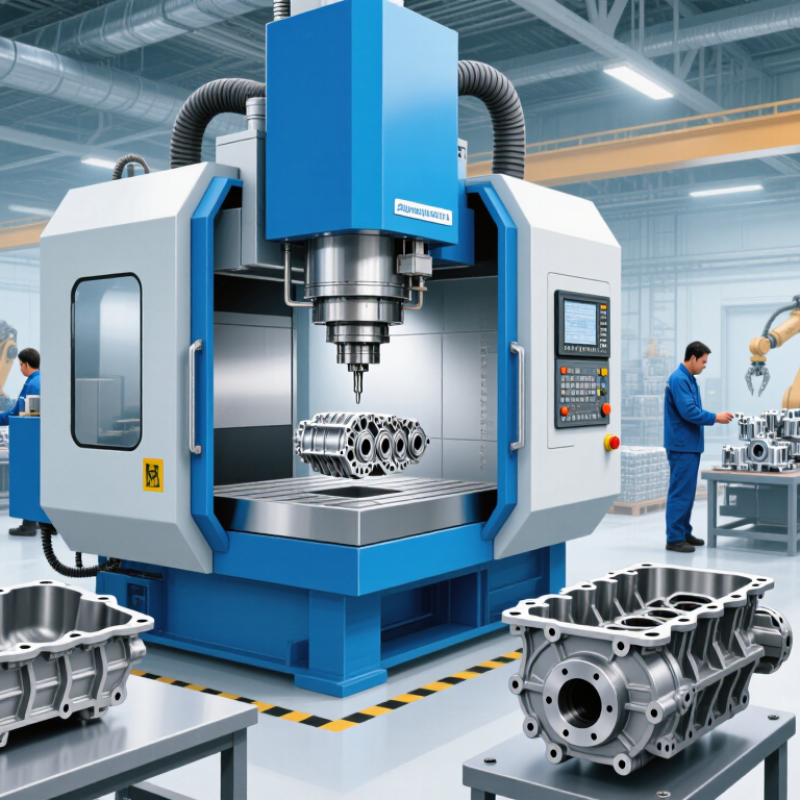
Chinese automotive die-casting suppliers typically begin with alloy selection, part drawings, and simulations of metal flow and solidification. After the die is preheated, molten aluminium enters the steel cavity under controlled pressure. Vacuum systems may reduce trapped gas in parts requiring better structural performance. Operators monitor melt temperature, injection speed, and die cooling; small changes can affect porosity and dimensions. The China Association of Automobile Manufacturers reported 9.495 million new-energy vehicle sales in 2023, equal to 31.6% of China’s vehicle sales. This market shift increases demand for lightweight components, but volume alone does not prove a supplier’s process capability.
Tips: Ask for process-control records, not only sample parts. Check alloy certificates, inspection plans, and how defects are handled. Request evidence that production parts match the approved sample.
After casting, suppliers trim gates and flash, then inspect critical dimensions and surfaces. Depending on the part, checks may include X-ray inspection, leak testing, or mechanical testing. Traceability links each batch to its material and production conditions. A reliable supplier should explain acceptance limits and corrective actions in clear terms. A clean sample can still hide inconsistent production. I would also review how the supplier controls die wear and maintains process settings across shifts; this detail is easy to overlook, yet it can affect repeatability.
Key Automotive Components Made by Die Casting
Aluminium die casting produces complex automotive parts with thin walls, ribs, and mounting points in one component. Examples include transmission cases, engine brackets, electric motor housings, and inverter enclosures. These parts need to resist vibration and manage heat. A smooth-looking housing still needs careful design.
The Aluminum Association’s 2023 study, conducted by Ducker Carlisle, projects average aluminium content in North American light vehicles will reach 556 pounds per vehicle by 2030, up from 459 pounds in 2020. This figure covers aluminium across vehicle applications, not die-cast parts alone. It signals a broader material trend, rather than a guaranteed forecast for any single component.
For suppliers, performance depends on more than alloy choice. Die temperature, filling speed, and vent placement affect porosity and dimensional accuracy. A motor housing may require machined bearing seats, while an inverter enclosure needs flat sealing surfaces. Small defects matter. A casting can look sound yet fail inspection. That detail is easy to overlook. X-ray checks, leak tests, and trial assemblies help reveal issues before production scales. Still, casting cannot fix a weak design; some parts need another process or a redesign.
How to Evaluate China’s Leading Die Casting Suppliers
China Top Aluminium Die Casting Auto Parts Suppliers
How to Evaluate China’s Leading Die Casting Suppliers
Evaluate a supplier on process control, not polished brochures. Ask for alloy specifications, furnace records, die maintenance logs, and inspection plans for each part. During a factory visit, look for calibrated spectrometers, clean trimming stations, and labeled batches that remain traceable after machining. Request capability data for critical dimensions, plus defect and scrap trends across multiple production runs. A single golden sample proves little. No scorecard catches everything.
Market context matters, but it cannot replace an audit. The USGS Mineral Commodity Summaries 2024 estimated world primary aluminum production at about 70 million metric tons in 2023, reflecting the scale of the material supply chain. The IEA’s Global EV Outlook 2024 reported nearly 14 million electric-car sales in 2023, around 18% of global car sales. These figures point to changing automotive demand, not guaranteed supplier performance. Check whether a factory can manage your specific casting weight, wall thickness, porosity limits, and annual volume. Ask how it verifies leak-tightness and handles corrective action when a batch fails. A trial order may expose weak communication or unstable cycle times; that is useful evidence, even if the first review feels incomplete.
Supplier Capabilities, Quality Standards, and Export Readiness
When evaluating China-based aluminium die casting auto parts suppliers, look beyond machine size. Ask about alloy control, die maintenance, and production capacity for your part’s geometry. A capable supplier should explain how it manages thin walls, ribs, and cooling channels. Request sample parts and inspection records from comparable projects. Real evidence matters.
Quality checks should cover dimensions, surface defects, and internal porosity. Ask how critical features are measured, and whether coordinate measuring machines or X-ray inspection suit your part. Review calibration records, nonconformance reports, and corrective actions.
Automotive programs may require IATF 16949 or ISO 9001 systems; verify current certificates and their scope. Export readiness also means clear packing specifications, traceable batch labels, stable lead times, and complete shipping documents. Confirm who handles export paperwork and how damage claims are recorded. A polished audit file can still miss everyday process variation. Ask for recent production data, not promises alone.
Tips: Send a controlled drawing, annual volume, and acceptance criteria before requesting a quote. Check one shipment’s packaging and documents before scaling up. Small details reveal gaps.