

Top Chemical Pumps for Water Treatment Applications ?

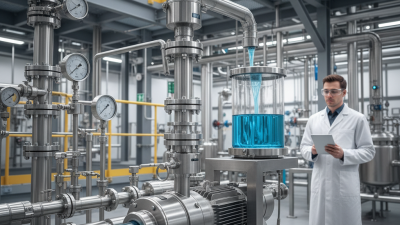
In the world of water treatment, chemical pumps play a crucial role. These devices ensure the safe and efficient handling of various chemicals used in processes such as disinfection and coagulation. Industry expert Dr. John Carter notes, "The reliability of chemical pumps for water treatment can significantly affect overall water quality." His insight emphasizes the vital nature of these pumps in ensuring optimal water treatment.

Chemical pumps for water treatment must be chosen carefully. They need to accommodate different chemical properties and flow requirements. Each application has unique challenges, and not every pump will deliver the desired results. The selection process can often lead to oversights and mistakes. Understanding the specific needs of your water treatment facility is essential.

Not all chemical pumps are made equal. Some may be robust but less efficient, while others prioritize efficiency at the cost of durability. Thus, evaluating the pros and cons of each pumping solution is necessary. This attention to detail can lead to successful water treatment outcomes.
Top Chemical Pumps for Water Treatment Applications ?

Overview of Chemical Pumps in Water Treatment

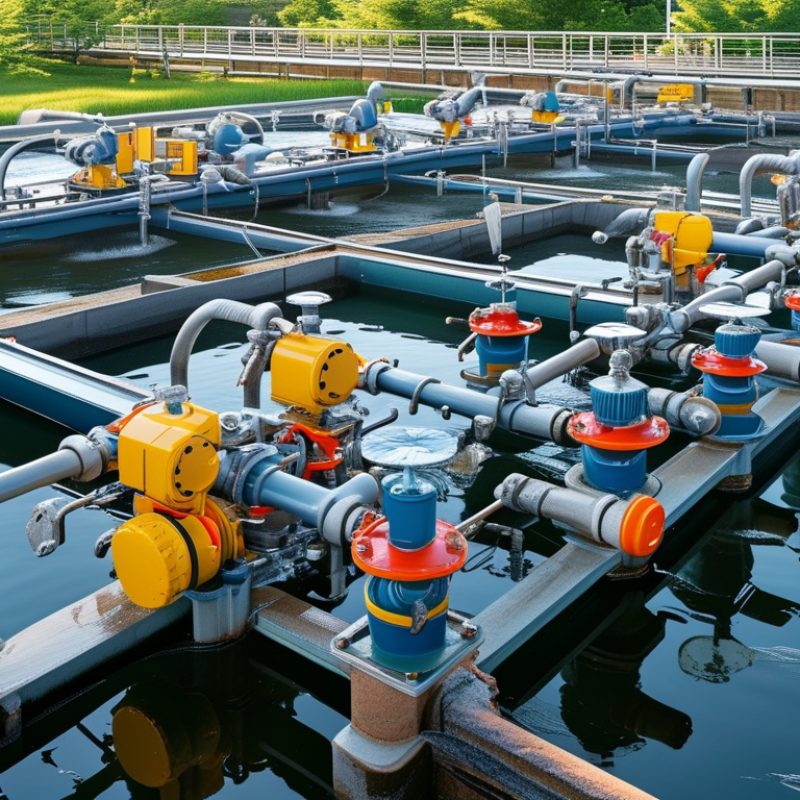
Chemical pumps play a crucial role in water treatment processes. Their primary function is to transfer various chemicals used in treating water to ensure it meets safety standards. Effective water treatment relies on the precise delivery of these chemicals. Various types of pumps, such as diaphragm and peristaltic pumps, cater to different needs within this sector.

Selecting the right pump type is essential. Diaphragm pumps are ideal for corrosive substances, while peristaltic pumps excel in metering applications. Each pump has unique advantages and limitations. For instance, diaphragm pumps can handle solid particles, but may require more maintenance. This highlights the need for careful consideration in pump selection.

In practice, it is vital to ensure that pumps are sized correctly for the application. Oversized pumps can lead to inefficiencies and increased wear. Conversely, pump systems that are too small can struggle to deliver necessary flow rates. Evaluating operational parameters and maintenance requirements can prevent failures. Continuous assessment of pump performance is necessary to uphold reliable water treatment processes.
Top Chemical Pumps for Water Treatment Applications

This bar chart displays the comparison of various types of chemical pumps commonly used in water treatment applications based on their flow rates (GPM). The data illustrates the performance and suitability of different pump technologies.

Types of Chemical Pumps Used in Water Treatment Processes

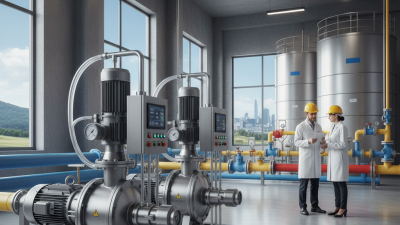
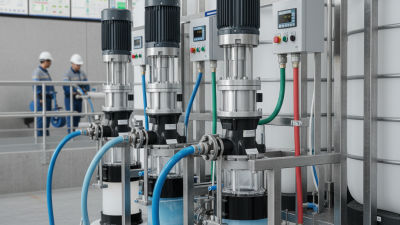
Chemical pumps play a vital role in water treatment processes. There are several types that are commonly used, each with specific applications. Diaphragm pumps offer reliability and precision in dosing. They are suitable for harsh chemicals and prevent leakage. Centrifugal pumps, on the other hand, are ideal for transferring large volumes of water. Their design allows for efficient flow, but they may struggle with viscous fluids.

Understanding the right pump for your needs is crucial. Some pumps can handle abrasive substances, while others cannot. This choice affects the longevity of the equipment. Regular maintenance is essential for all types of pumps. Neglect can lead to unexpected failures and costly downtime.

Keep in mind that power supply can impact pump performance. Ensure a stable energy source for optimal operation. Consider installation space as well. Some pumps require more room than others, which could affect setup. Regularly review your choices to adapt to changing demands and ensure a reliable water treatment process.

Key Features and Specifications of Chemical Pumps

When selecting chemical pumps for water treatment applications, several key features and specifications stand out. The pump’s material of construction impacts its durability and effectiveness. Common materials include polypropylene and stainless steel, designed to withstand corrosive chemicals. Understanding the compatibility of the pump materials with the chemicals used is essential.

The flow rate and pressure specifications are also critical. A pump must effectively move a specified volume of liquid against system pressure. For accurate water treatment, precise control of flow rates is necessary. Variable speed pumps offer flexibility and efficiency in operations. They allow for adjustments based on real-time demands, promoting energy savings and optimal performance.

Moreover, maintenance requirements should not be overlooked. Easy access for cleaning and part replacements can minimize downtime. Users often prefer pumps with self-priming capabilities or built-in safety features to reduce risk during operation. Ultimately, identifying the right chemical pump requires careful consideration of these factors to ensure safe and effective water treatment processes. Regular assessments of pump performance and reliability can identify areas needing improvement, ensuring long-term operation success.

(Note: Replace `"image_url"` with the actual URL of the image you wish to include. The provided style makes room for two paragraphs and an image with a floating effect, ensuring good appearance on both desktop and mobile devices.)

Factors to Consider When Selecting Chemical Pumps

When selecting chemical pumps for water treatment applications, various factors come into play. The type of fluid being pumped is crucial. Different chemicals have unique properties, such as viscosity and corrosiveness. According to the Association of Water Technologies, approximately 25% of pump failures occur due to material compatibility issues. Ensuring the pump's materials resist chemical degradation can significantly extend its lifespan and efficiency.

Another key consideration is pump capacity and flow rate. The right pump must meet the specific demands of the treatment process. Inadequate flow can lead to inefficiencies or even system failures. Research from the Hydraulic Institute indicates that pumps operating below their Best Efficiency Point (BEP) can lose up to 30% efficiency. Careful calculation of required flow rates ensures optimal performance while reducing operational costs.

Energy efficiency is also increasingly important. The U.S. Department of Energy reports that pumps account for about 20% of the global electricity consumption. Selecting energy-efficient models not only reduces environmental impact but also mitigates high operational costs. Regular maintenance is necessary, as neglect leads to performance loss. Addressing these issues can prevent costly downtime and extend pump life. Recognizing potential pitfalls in pump selection is essential for achieving reliable and sustainable water treatment operations.

Maintenance and Best Practices for Chemical Pumps in Water Treatment

Maintenance of chemical pumps in water treatment is crucial for optimal performance. Regular inspections can prevent failures and ensure longevity. Check seals, bearings, and connections for wear and leaks. Pay attention to any unusual noises. These signs can indicate potential issues needing immediate attention.

One key aspect is to maintain proper lubrication. Over time, lubricant can degrade, leading to increased friction. Ensure that pumps are lubricated according to manufacturer specifications. Insufficient lubrication can cause pumps to overheat, leading to costly repairs and downtime.

When operating chemical pumps, train staff on the best practices. Regularly review operating procedures. Making adjustments based on feedback is important. Ensure operators are aware of the common mistakes. Simple oversights can lead to significant problems down the line. Regular training can help mitigate these risks.

Whether your solution requires a single pumping application or an expansive engineered system,
CheckPoint is committed to becoming your partner in excellence.