



What Are the Top Bubble Pendant Lamp Types in 2026?

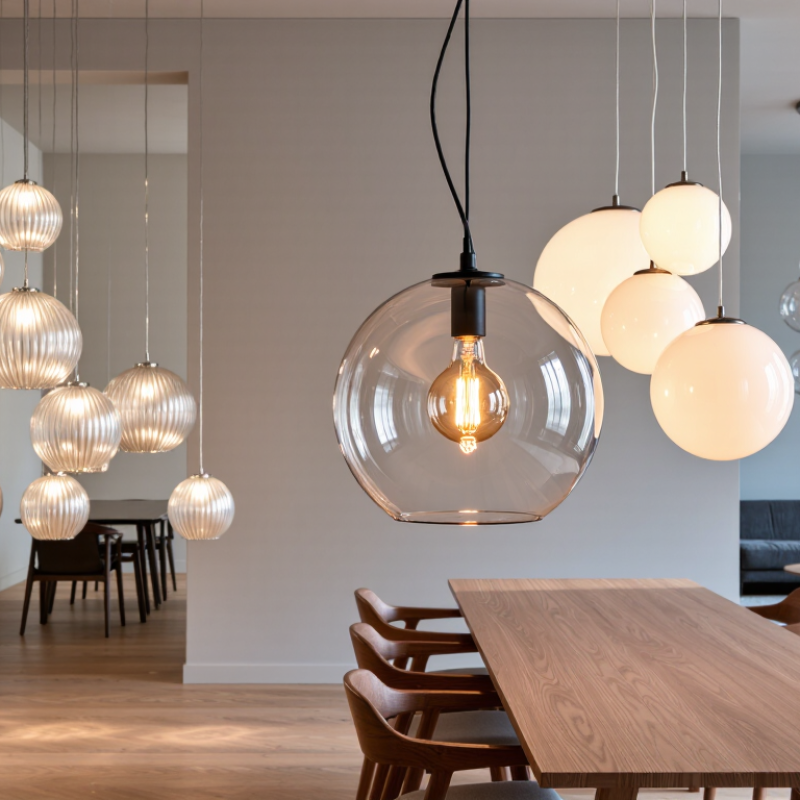
In 2026, the Bubble Pendant Lamp remains popular for its rounded silhouette and adaptable style. Yet “bubble” describes a family of designs, not one standard fixture. Clear glass globes feel light and airy. Opal bubbles soften the glow. Ribbed glass adds texture, while clustered pendants create a stronger focal point. Multi-globe and tiered versions suit larger rooms, but can overwhelm a small dining nook. Shape matters.

Architect Frank Lloyd Wright’s often-cited observation, “Light is the beautifier of the building,” offers a useful lens for comparing these styles. His comment concerns lighting broadly, not bubble pendants specifically. Still, it points to a practical truth: a fixture changes how a room feels, not just how it looks. Details matter. Glass tint, globe size, suspension height, and bulb choice all affect the result. A clear globe can show the bulb and create glare; an opal shade may feel gentler, but still needs a suitable light source.

This guide explores the leading Bubble Pendant Lamp types for 2026, including single globes, clustered arrangements, sculptural forms, and textured glass designs. It considers where each style works, what to check before buying, and how scale affects a room. There is no universal winner. A dramatic cluster may look beautiful online and feel crowded above a real table. That is worth considering. The best choice balances visual impact with comfortable light, careful proportions, and dependable construction.
What Are the Top Bubble Pendant Lamp Types in 2026?

What Defines a Bubble Pendant Lamp in 2026?

What Defines a Bubble Pendant Lamp in 2026?

A bubble pendant lamp is a suspended fixture built around one or more rounded, globe-like shades. The term describes its shape, not one specific material or lighting technology. Clear glass can reveal the bulb and create crisp reflections, while frosted glass softens the source and reduces glare. Some designs use translucent acrylic, which is lighter but may not give the same depth as glass. Small details matter: a visible seam, uneven tint, or bulky socket can change the whole impression.

In 2026, a useful definition also includes how the lamp performs in a real room. Check whether its light spreads widely or points mostly downward, and whether the bulb can be replaced. Dimmable operation helps shift the mood from bright meal preparation to softer evening light, provided the bulb and control are compatible. Measure the shade against the table and ceiling; a beautiful globe can still feel cramped when hung too low. It happens.

Bubble pendants may have a single sphere or a cluster of different-sized globes. Clusters add visual movement, but they need enough ceiling space and careful spacing to avoid looking crowded. For a dining table, note the shade diameter, suspension length, and how the fixture looks from seated eye level. A little asymmetry can feel lively. It can also look accidental, so proportions deserve a second look.

Single-Globe Bubble Pendants: Shapes, Materials, and Uses

A single-globe bubble pendant uses one rounded shade as its main feature. The classic sphere gives off an even, soft outline, while an oval shape can feel lighter above a narrow table. Teardrop versions draw the eye downward and suit rooms with higher ceilings. Small differences matter. A wide globe can crowd a compact breakfast nook, even when its finish looks delicate in a product photo.

Clear glass shows the lamp’s inner parts and spreads light without hiding the bulb. Opal glass softens glare, which can be more comfortable over a dining table. Some shades contain tiny bubbles or rippled texture; these details scatter light, but may also create uneven patterns on nearby walls. Metal caps and stems add contrast. Warm brass tones pair well with wood, while matte black creates a sharper outline. Finish colors can look different under warm or cool bulbs, so check samples in the room when possible.

Use one globe beside a bed, over a kitchen island, or in an entry where a single focal point feels intentional. Measure the shade against the furniture below it, not just the ceiling height. Keep enough clearance for people to walk comfortably. Dimming helps adjust the mood, though not every bulb works with every dimmer. It is easy to overlook that detail.

Clustered Bubble Pendants: Arrangements and Lighting Effects

Clustered bubble pendants turn one ceiling point into a layered composition, especially above a dining table or stair landing. Vary globe sizes and hanging heights to create depth, while keeping the group centered over the area it serves. Three to seven globes can form a clear focal point; larger rooms may accommodate more. Small rooms need restraint. Too many glass spheres can make a low ceiling feel crowded.

The lighting effect depends on the glass and the bulbs. Clear globes reveal the light source and cast brighter, sharper highlights on nearby surfaces. Opal or lightly frosted glass softens glare and spreads a gentler glow. Mixing finishes can look appealing, but the result may feel less cohesive than expected. It is worth checking the cluster from seated and standing positions before fixing the drop lengths.

For a dining area, stagger the pendants so the lowest globe stays comfortably above eye level and does not block conversation. Use dimmable lighting when the room shifts from meal preparation to evening use. A mock-up with paper circles at different heights can expose awkward spacing before installation. It is a simple test, not a perfect one. Ceiling height, globe diameter, and room reflections can still change the final impression.

Linear and Multi-Tier Bubble Pendants: Key Differences

Linear and multi-tier bubble pendants create different rhythms overhead. A linear fixture spreads glass globes along one axis, making it useful above long dining tables or kitchen islands. Measure the table before choosing: the fixture should relate to its length without crowding seated guests. One practical drawback is uneven light at the ends if the globes are spaced too widely.

Multi-tier designs stack or stagger globes at different heights. They suit stairwells and tall entryways, where a single horizontal line can feel lost. But they need visual breathing room. In a low-ceiling room, layered glass may feel heavy, even when each globe looks delicate. Check the lowest point against walking paths, and consider how daylight reflects on the glass.

Bulb choice matters in both types. The U.S. Department of Energy reports that LEDs use at least 75% less energy than incandescent lighting. That makes dimmable LED bulbs a practical option for adjusting brightness without changing the fixture. The global LED lighting market was valued at about $75.7 billion in 2023, according to Grand View Research’s market report. That figure reflects broad adoption, not a guarantee that every decorative pendant delivers useful task light. Bubble glass can soften glare, but it may also scatter light away from work surfaces. Test the pendant’s light at night, not just in a showroom.

How to Choose a Bubble Pendant Type for Each Space

A bubble pendant should fit the room’s scale and the job it needs to do. Over a kitchen island, a row of small clear-glass globes spreads light across the worktop; check that the bulbs do not shine directly into seated eyes. For a dining table, a clustered pendant can create a warm focal point. Leave enough clearance for people to see one another. Scale matters.

In bedrooms and reading corners, opal or frosted globes soften the light and reduce the view of bare bulbs. A single oversized globe can suit a compact entryway, but it may feel crowded beneath a low ceiling. The Illuminating Engineering Society’s Lighting Handbook supports using layered light, rather than expecting one ceiling fixture to handle every task. Pair a pendant with a lamp or discreet task lighting where needed.

Check the fixture’s light output, dimming compatibility, and cleaning requirements before choosing its shape. Clear glass shows fingerprints and dust quickly. That detail is easy to overlook. The U.S. Department of Energy’s Energy Saver guidance says LEDs use at least 75% less energy and last up to 25 times longer than incandescent bulbs. Choose a compatible LED, then test the pendant’s light at night; a display-room glow can feel harsher at home.

What Are the Top Bubble Pendant Lamp Types in 2026? — How to Choose a Bubble Pendant Type for Each Space

Bubble Pendant Type Typical Form and Scale Best-Fit Spaces Light and Visual Effect How to Choose and Hang It
Single Globe One spherical glass shade; commonly about 6–12 in (15–30 cm) in diameter. Entryways, bedside areas, breakfast nooks, and small kitchen islands. A simple focal point with light distributed around the globe; clear glass shows the lamp inside. Use one for a compact area or repeat several over a longer surface. Over a table or island, a common starting point is 30–36 in (76–91 cm) above the surface; adjust for sightlines and fixture design.
Multi-Globe Cluster Several globes grouped at varied heights, often arranged around a shared canopy. Dining areas, stairwells, double-height foyers, and living-room corners. Creates a sculptural centerpiece and spreads light across a wider area than one small pendant. Check the full cluster width and drop, not just the individual globe size. Leave comfortable clearance above tables and keep the lowest globe clear of walking routes.
Linear Multi-Light Pendant A row of two or more globes attached to a horizontal bar or elongated canopy. Long dining tables, kitchen islands, and work counters. Provides an even, elongated visual rhythm that follows the shape of the surface below. Choose a fixture shorter than the table or island so its ends do not overhang excessively. Confirm the canopy and mounting points fit the ceiling layout.
Oversized Globe One large spherical shade, often around 14–24 in (36–61 cm) in diameter or larger. Spacious living rooms, open-plan dining areas, and high-ceiling foyers. Makes a strong, uncluttered statement; a larger shade can appear visually softer than several small fixtures. Scale the globe to the room and furniture beneath it. Check ceiling height, door clearance, and the pendant’s total drop before installation.
Small-Globe Cluster Multiple compact globes grouped closely or suspended at staggered heights. Compact dining spaces, kitchen islands, and rooms with moderate ceiling heights. Adds layered detail while keeping each individual shade visually light. Measure the overall footprint and spacing between globes. A tight cluster suits a smaller zone; a wider arrangement works better over a longer surface.
Opal or Frosted Glass A single globe or cluster with opaque, milky, or lightly frosted glass. Bedrooms, living rooms, dining rooms, and other spaces where softer ambient light is preferred. Diffuses the light source and reduces direct visibility of the lamp compared with clear glass. Choose the bulb and dimming setup to suit the room’s brightness needs. Check that the fixture is compatible with the intended lamp type and dimmer.
Tinted or Colored Glass A globe or cluster made with lightly tinted, colored, or smoke-finish glass. Dining areas, living rooms, and accent zones where the fixture is also a decorative element. Adds color and changes the appearance of the illuminated glass; darker tints may reduce perceived brightness. Consider the room’s existing finishes and test the light effect if possible. Use suitable task lighting when the pendant is not intended to light the whole room.
Adjustable-Height Pendant A single globe or small group with an adjustable cord or stem. Dining tables, kitchen islands, and multipurpose rooms where hanging height may need to change. Offers flexibility for different tasks, furniture arrangements, and ceiling conditions. Verify the adjustment range and cord-management method. Set the height to maintain clear sightlines and safe headroom in the room.

Selection note: Dimensions and hanging heights are general planning ranges, not universal requirements. Always check the fixture’s installation instructions, ceiling conditions, and local electrical requirements.

Whether your solution requires a single pumping application or an expansive engineered system,
CheckPoint is committed to becoming your partner in excellence.