China Top 10 Switchgear Protection Manufacturers
China has become a major manufacturing base for medium- and high-voltage equipment. Its switchgear sector serves utility networks, rail systems, renewable-energy projects, factories, and commercial buildings. The need is practical: a protection system must interrupt a fault before heat, arc energy, or mechanical damage spreads.
MarketsandMarkets estimates that the global switchgear market will grow from approximately USD 112 billion in 2023 to more than USD 158 billion by 2028. Its report links growth to grid expansion, renewable integration, and stricter reliability requirements. The International Energy Agency also reports that global electricity demand is entering a stronger growth period, increasing pressure on substations and distribution networks. These figures explain why Switchgear Protection is receiving closer technical attention.
Stanley H. Horowitz, a respected power-system protection specialist and co-author of Power System Relaying, stated: “The purpose of protective relaying is to detect faults and abnormal conditions and to initiate circuit breaker operation.” That principle remains visible in every relay setting, CT connection, interlock, and breaker trip test. Small errors matter.
This outline examines China’s top ten switchgear protection manufacturers through product capability, testing practice, certification, project experience, and after-sales support. It does not treat market visibility as proof of technical superiority. Rankings can change. Public information can also be incomplete. Buyers should verify IEC compliance, short-circuit ratings, temperature performance, relay coordination, and factory inspection records before making a final decision. A polished enclosure is not enough. Reliable protection is demonstrated under fault conditions.
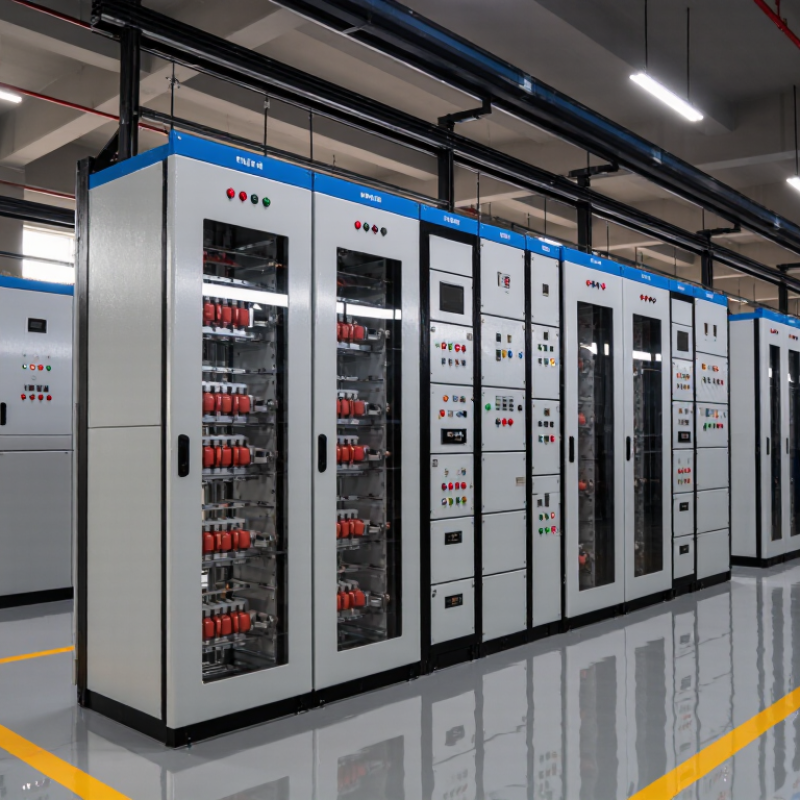
China’s Switchgear Protection Manufacturing Industry Overview
China’s switchgear protection manufacturing industry has grown through large power projects, industrial upgrades, and renewable energy expansion. Manufacturers now produce medium-voltage and high-voltage panels, protection relays, circuit breakers, and monitoring systems. Production centers often combine engineering teams, automated assembly lines, and dedicated testing laboratories. Details matter.
A reliable manufacturer should demonstrate compliance with relevant IEC standards and provide traceable test records. Factory audits should examine wiring quality, enclosure sealing, insulation distances, and relay calibration. Practical experience also shows the value of checking after-sales support. A fast response can prevent long equipment outages. Technical staff should understand short-circuit ratings, protection coordination, arc-flash risks, and site conditions. Brochures alone are not enough.
The leading ten manufacturers are not necessarily identical in capability. Some perform strongly in utility applications, while others focus on factories, buildings, or renewable-energy stations. Buyers should compare production capacity, customization control, delivery records, and field-service coverage. Published figures may sometimes lack independent verification. That gap matters. A careful evaluation should include factory visits, sample inspections, witness testing, and reference checks from comparable projects. Even experienced teams can overlook heat buildup, cable access, or maintenance space. Clear specifications and disciplined communication reduce those risks.
Key Criteria for Ranking China’s Top Switchgear Protection Manufacturers
China Top 10 Switchgear Protection Manufacturers
A credible ranking starts with protection performance, not factory size. Engineers should examine relay accuracy, fault-clearing speed, insulation coordination, and enclosure durability. Test records must show rated voltage, short-circuit withstand, temperature rise, and endurance cycles. Evidence matters. Independent laboratory reports carry more weight than polished brochures. Recent certificates should match the exact model, not a similar cabinet.
Practical experience separates capable manufacturers from capable marketers. Review installations in substations, factories, renewable plants, and transport facilities. Ask how equipment performed after dust, humidity, vibration, and repeated switching. Maintenance teams can reveal whether terminals loosen, alarms remain clear, and replacement parts arrive quickly. Site references should be verifiable, with commissioning dates and operating conditions. Field failures matter. A supplier’s response to a defect also shows engineering maturity.
Technical authority includes qualified designers, documented design controls, and compliance with applicable IEC or national requirements. Ranking should assess protection coordination studies, arc-flash risk controls, software version management, and factory acceptance testing. Reliability depends on traceable components, calibrated instruments, training records, and accessible service data. Commercial stability matters, but it should not outweigh safety evidence. No scoring system is perfect. Weighting may favor large projects and overlook smaller, well-built installations. Reviewers should disclose assumptions, update stale test reports, and separate verified facts from sales claims.
Profiles of Leading Chinese Switchgear Protection Manufacturers
China’s leading switchgear protection manufacturers are shaped by a rapidly expanding power system. The China Electricity Council reported 2.92 billion kilowatts of installed generation capacity in 2023, an annual increase of 13.9%. This growth increases demand for medium-voltage panels, circuit breakers, relays, and digital monitoring equipment. Leading suppliers usually develop products under IEC 62271 and related national standards. Their strongest profiles combine factory testing, protection coordination, and field commissioning experience.
One group focuses on utility substations and high-voltage transmission projects. These manufacturers typically provide gas-insulated switchgear, instrument transformers, protection panels, and remote-control systems. Another group serves factories, transport networks, and renewable-energy sites. Its products often emphasize compact air-insulated switchgear, arc-fault resistance, and fast relay communication. The International Energy Agency’s Electricity 2024 report expects global electricity demand to grow strongly through 2026, supporting continued investment in grid equipment. Chinese suppliers with export testing, multilingual documentation, and stable spare-parts systems are better prepared for this demand.
Reliability requires more than a polished catalogue. Buyers should examine type-test reports, temperature-rise results, short-circuit ratings, and protection-setting records. Site support matters too. A delayed replacement relay can stop an entire production line. Public data also has limits; manufacturer claims are not always comparable. This is where independent inspection and witnessed testing become valuable. The practical weakness is clear: some suppliers still prioritize delivery speed over long-term service training. That gap deserves closer review.
China Top 10 Switchgear Protection Manufacturers – Industry Voltage Coverage
This chart presents ten nominal AC voltage levels commonly used across China’s power transmission and distribution system. These voltage classes help define the protection, insulation, interruption, and monitoring requirements addressed by switchgear protection manufacturers. The figures represent system voltage levels, not company sales or market-share data.
Industry Applications, Standards, and Market Development Trends
China Top 10 Switchgear Protection Manufacturers
China’s switchgear sector is changing with grid expansion, renewable integration, and stricter safety expectations. IEA’s Electricity 2024 report forecasts global electricity demand growth of about 4% in 2024 and 2025. This growth requires reliable medium- and high-voltage protection systems. Wind and solar projects also need fast fault isolation, stable relay coordination, and remote monitoring. IRENA reported 473 GW of renewable capacity additions in 2023. That figure highlights the pressure on protection equipment manufacturers.
Standards remain a practical market filter. IEC 62271 covers high-voltage switchgear, while IEC 60947 addresses low-voltage equipment. Many Chinese manufacturers align testing, insulation design, and factory inspection with these requirements. However, certification alone does not prove field reliability. Engineers should review short-circuit ratings, temperature-rise tests, enclosure protection, and service records. Industrial plants often need arc-flash control and selective coordination. Data centers require continuity, compact layouts, and rapid maintenance. Renewable substations face changing fault levels, which can expose weak protection settings. The details matter.
Tips: Compare test reports with actual project conditions. Check local climate, pollution levels, altitude, and maintenance access. Ask for verified failure data, not only brochures. A useful review should include protection settings and spare-parts planning. Some specifications still overlook human error during maintenance. That deserves more attention.