


Top 10 Pump Systems for Efficient Industrial Use?

In the quest for efficiency within industrial environments, the importance of pump systems cannot be overstated. John Hartley, a renowned expert in fluid mechanics, once asserted, "Choosing the right pump system is crucial for optimal performance and energy savings." This statement underscores the critical role that pump systems play in various industries, including manufacturing and chemical processing.

Identifying the top pump systems for industrial use involves understanding specific needs and challenges. Each system offers unique features that address various applications. Factors like energy consumption, maintenance, and durability are key considerations. A well-selected pump system can greatly enhance operational efficiency.

However, the landscape is ever-evolving. Innovations and standards are constantly shifting. Some industries still stick to outdated systems, despite advancements. Reflecting on current practices is essential for progress. Efficiency is not just a goal; it’s an ongoing challenge.
Top 10 Pump Systems for Efficient Industrial Use?

Definition and Importance of Pump Systems in Industrial Applications

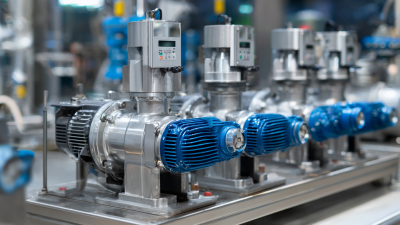
Pump systems are vital in industrial applications. They facilitate the movement of fluids, ensuring smooth processes. Efficient pump systems maintain consistent flow rates and minimize energy consumption. This importance cannot be overstated in industries like manufacturing, agriculture, and energy production.

The reliability of these systems affects operational efficiency. Inadequate pumps can lead to production delays and costs. Regular maintenance is crucial. However, many industries overlook it, resulting in failures. Operators must train to recognize warning signs of pump issues. Additionally, selecting the right pump for specific applications is a common challenge. Each industry has unique requirements that dictate pump specifications.

Investing in advanced pump technology can enhance efficiency. But, awareness of installation intricacies is often lacking. Proper alignment and secure fittings are necessary for optimal performance. Ultimately, understanding the role of pump systems can lead to better decision-making. This area warrants continuous learning and reflection to improve industrial effectiveness.

Top 10 Pump Systems for Efficient Industrial Use

Rank Pump Type Application Efficiency Rating Max Flow Rate (GPM) Max Head (Feet)
1 Centrifugal Pump Water Treatment 85% 200 150
2 Positive Displacement Pump Food Processing 90% 150 100
3 Submersible Pump Sewage Management 75% 300 50
4 Diaphragm Pump Chemical Transfer 88% 100 120
5 Gear Pump Oil Circulation 80% 50 80
6 Screw Pump Sludge Handling 85% 200 100
7 Vortex Pump Industrial Waste 78% 250 70
8 Multistage Pump High Pressure Applications 92% 100 300
9 Lobe Pump Pharmaceuticals 87% 60 90
10 Trash Pump Construction Sites 74% 280 50

Key Factors to Consider When Selecting Pump Systems for Efficiency

Top 10 Pump Systems for Efficient Industrial Use?

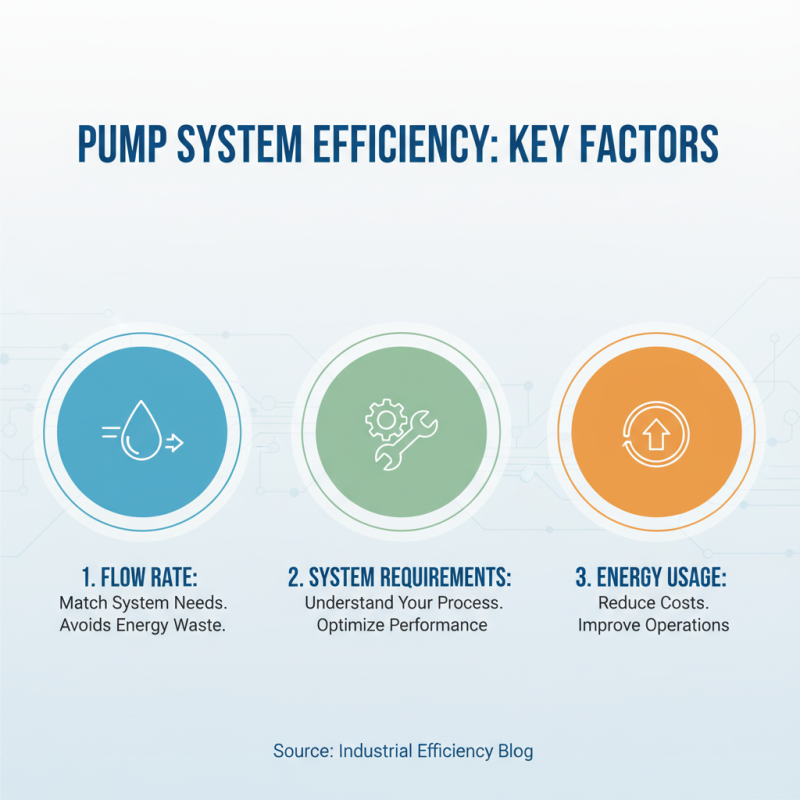
When selecting pump systems for industrial use, several factors come into play to ensure efficiency. One critical aspect is the pump's flow rate. It’s essential to match this rate with your system’s needs. If the flow rate is too high or too low, it can lead to energy wastage and operational problems. Understanding your process requirements is vital.

Another factor is the type of fluid being pumped. Different fluids have unique properties impacting pump selection. Viscosity, temperature, and corrosiveness matter. For instance, pumping thick fluids may require specialized pumps, while certain materials can cause wear. Evaluating these elements will help determine the most suitable pump type.

**Tip:** Regular maintenance improves pump efficiency. Schedule checks to prevent unexpected breakdowns.

In choosing pumps, consider energy consumption. Look for systems that offer variable speed drives, which can adjust flow rates as needed, saving energy. However, keep in mind that efficiency often comes with initial investment costs.

**Tip:** Analyze the total cost of ownership, not just the purchase price. This approach often leads to smarter investments.

Lastly, seek expert advice. There’s often a gap between theoretical knowledge and practical use. Consulting professionals can reveal solutions that fit your specific context.

Overview of the Top 10 Pump Systems for Industrial Use

Top 10 Pump Systems for Efficient Industrial Use?

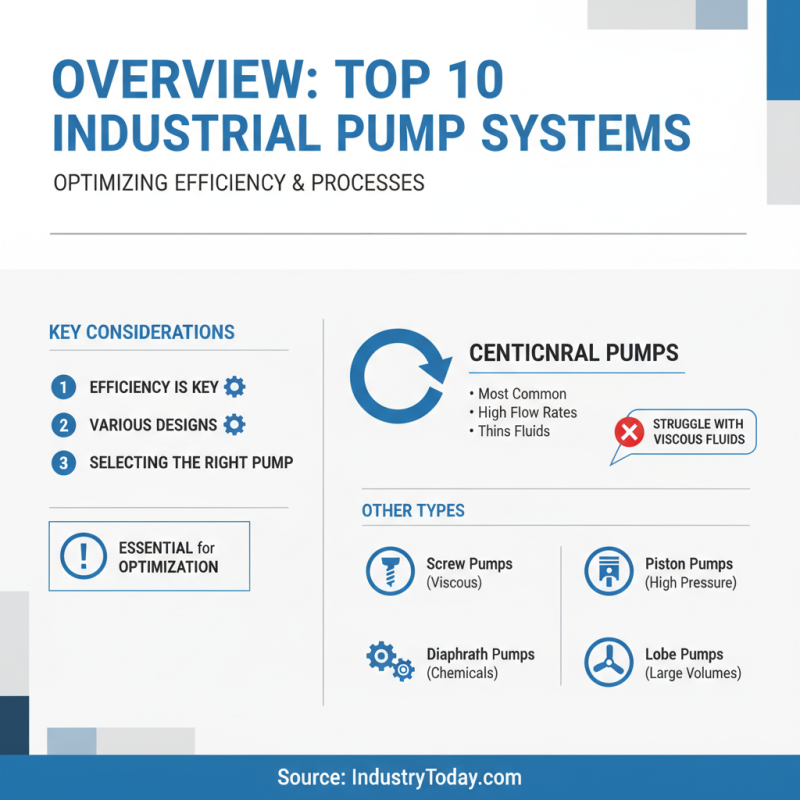
When considering industrial pump systems, efficiency is key. Various designs suit different applications. Selecting the right pump is essential for optimizing processes. Centrifugal pumps are among the most common types. They excel in transporting fluids at high flow rates. However, they can struggle with thick, viscous fluids.

Positive displacement pumps are another option. They handle higher viscosity fluids effectively. These pumps create a specific volume of fluid with each cycle. In industries like food and pharmaceuticals, precise flow rates are crucial. These pumps often need regular maintenance to ensure performance.

Submersible pumps are valuable in dewatering applications. They operate underwater, effectively removing excess water. While they are efficient, their installation can be complex. Maintenance may be challenging due to their submerged nature. Each type has its benefits and drawbacks, highlighting the importance of understanding operational needs. Testing under real conditions can help uncover issues that theoretical evaluations might miss.

Detailed Features and Benefits of Each Recommended Pump System

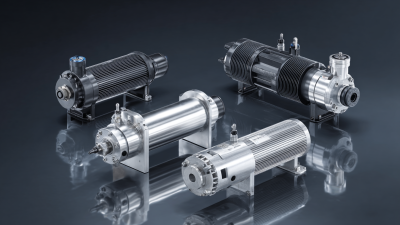
When selecting pump systems for industrial use, understanding their features is crucial. High-efficiency pumps can significantly reduce energy consumption. Many systems now utilize advanced materials that resist wear and corrosion. This improves longevity, lowering replacement costs. Veering from conventional designs, modern pumps offer customizable flows and pressures, catering to specific needs.

Another pivotal factor is maintenance. Some systems feature self-lubricating components. This minimizes downtime, an essential aspect in busy operations. However, achieving an ideal balance can be challenging. For instance, increasing capacity may elevate maintenance demands. Users need to consider their operational environment. Certain chemicals may impact system reliability, leading to unexpected breakdowns.

Adaptability also plays a role. Many innovative designs can integrate with existing systems, ensuring seamless operation. However, there’s no one-size-fits-all solution. Businesses often find themselves making compromises between performance and cost. Identifying the best fit requires thorough analysis of both current needs and future growth potential. Understanding these dynamics aids in making informed decisions, ultimately enhancing operational efficiency.

Future Trends in Pump Technology and Efficiency Enhancements

The future of pump technology is promising. Smart pumps are emerging as a game changer. They use sensors to optimize efficiency, reducing energy consumption and operational costs. Data analytics can enhance system performance by predicting maintenance needs. This leads to fewer breakdowns and extended equipment lifespan.

Moreover, there is a shift towards sustainable materials in pump construction. This can help reduce the environmental footprint of industrial processes. However, implementing these advancements is challenging. Not all facilities are ready to adapt quickly to new technologies. Training personnel and integrating new systems require careful planning.

Energy efficiency remains a top priority. Pump systems must comply with stricter regulations worldwide. Improving design and engineering processes is crucial. Nonetheless, companies still face hurdles in balancing cost and innovation. Embracing these future trends is essential for staying competitive in a rapidly evolving market.

Top 10 Pump Systems for Efficient Industrial Use

Whether your solution requires a single pumping application or an expansive engineered system,
CheckPoint is committed to becoming your partner in excellence.