


China Top 10 LVL Scaffolding Plank Manufacturers?

Choosing a reliable LVL Scaffolding Plank manufacturer in China requires more than comparing factory prices. Product consistency, structural performance, moisture control, and export experience all influence jobsite safety.

This guide introduces ten Chinese manufacturers associated with LVL scaffolding plank production. It considers manufacturing capacity, quality systems, raw material sourcing, customization options, and documented market experience. These factors matter when planks face repeated loading, changing weather, and demanding construction schedules.

A good plank begins with carefully selected veneer. Uniform layers, strong bonding, and accurate pressing help reduce warping and splitting. Clear surface grading also makes inspection easier before installation. Small defects can become expensive problems.

The review also looks at practical details. These include plank dimensions, load-test records, packaging methods, lead times, and communication during sampling. Certifications may support credibility, but they should match the actual product and destination requirements. Buyers should request current reports rather than rely on old catalog images.

No ranking can fit every project. A large exporter may suit standardized orders, while a smaller factory may offer better customization. Some public information may be incomplete or change over time. That limitation deserves attention.

Readers can use this introduction as a screening framework, not as a final purchasing decision. Verify factory addresses, production samples, test documentation, and contract terms independently. Site conditions vary. So do acceptable risk levels.

With practical comparisons and careful verification, this list aims to help contractors, distributors, and procurement teams identify manufacturers worth further evaluation. Quality should remain measurable, traceable, and suitable for the intended scaffolding application.
China Top 10 LVL Scaffolding Plank Manufacturers?

What Are LVL Scaffolding Planks and How Are They Made?

China Top 10 LVL Scaffolding Plank Manufacturers?

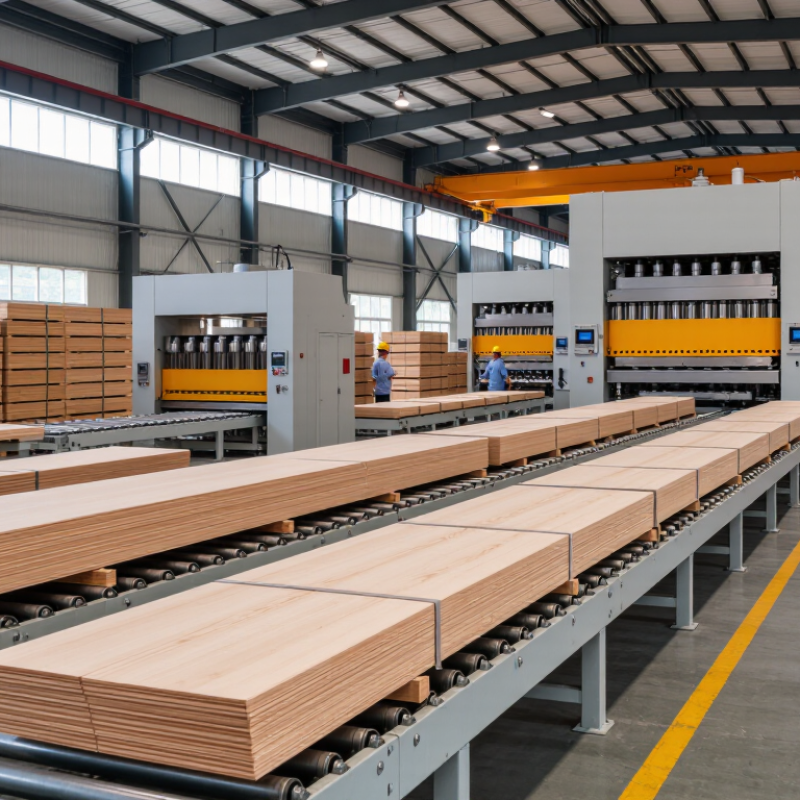
LVL scaffolding planks are engineered timber members made from thin wood veneers. Manufacturers peel logs into sheets, dry them, and remove weak sections. The veneers are then graded for strength and moisture content. Adhesive is applied before the sheets are aligned with their grains running parallel. Hot pressing bonds the layers into a dense, stable plank.

This parallel structure helps distribute loads and limits twisting. The USDA Forest Products Laboratory’s Wood Handbook identifies LVL as a structural composite with more consistent strength than ordinary sawn timber. However, performance still depends on veneer quality, adhesive control, and pressing temperature. Small production errors can become serious on a working platform.

A reliable manufacturer should provide bending strength, stiffness, density, moisture, and bond-line test results. EN 14374 and AS/NZS 4357.1 are useful references for structural laminated veneer lumber requirements. Factory quality records should also include batch identification and dimensional checks. The International Labour Organization reports that construction remains one of the world’s most hazardous industries, so plank consistency matters beyond appearance. Smooth edges help, but they do not replace load testing.

In practical use, inspect each plank for cracks, delamination, swelling, and crushed ends. Do not assume a heavier plank is automatically safer. That assumption needs evidence. Some published product data also lacks clear test conditions, which makes comparisons imperfect.

Key Standards for Safe and Durable LVL Scaffolding Planks

China Top 10 LVL Scaffolding Plank Manufacturers?

Safe LVL scaffolding planks begin with the correct design load. EN 12811-1 defines scaffold platform load classes from 0.75 to 6.0 kN/m². A manufacturer should state the tested class clearly. OSHA 29 CFR 1926.451 also requires scaffold components to support their own weight and four times the maximum intended load. These figures should appear in technical documents, not only sales discussions.

Moisture control is equally important. LVL planks should use structural veneers, consistent bonding, sealed ends, and controlled moisture content. EN 13986 links wood-based panels with mechanical performance and formaldehyde emission requirements. Independent bending, shear, delamination, and cyclic moisture tests provide stronger evidence than a single factory certificate.

In practice, inspectors should check crushed edges, open glue lines, deep knots, and permanent bowing before every shift.

A top-ten manufacturer list should include factory audits and batch traceability. Each plank needs visible dimensions, grade, production date, and load information. I would not approve a supplier from paperwork alone. A clean report can still hide weak sampling. That mistake is easy to make. Random third-party testing helps expose it. Storage also matters: planks need level supports, ventilation, and protection from standing water. Standards guide the decision, but field experience must challenge comfortable assumptions.

How to Evaluate China’s LVL Scaffolding Plank Manufacturers

China Top 10 LVL Scaffolding Plank Manufacturers?

Choosing among China’s leading LVL scaffolding plank manufacturers requires more than comparing prices. A reliable supplier should explain its veneer species, adhesive system, plank dimensions, moisture control, and load-rating method. Ask for recent test reports from an independent laboratory. Check whether the report matches the exact product, not a similar sample. Small details matter.

During factory evaluations, inspect veneer storage, pressing equipment, edge sealing, and finished-plank stacking. Look for clear batch numbers and traceable production records. Request samples from different production dates. Compare thickness, straightness, surface defects, and connector-hole accuracy.

A serious manufacturer should discuss handling damage and replacement procedures openly. I have found that attractive samples can hide inconsistent core bonding. That is easy to miss.

Tips: Confirm the required regional safety standards before ordering. Review the technical drawing line by line. Ask how rejected planks are isolated. Check packaging against rain, forklift impact, and long-distance transport. Do not rely on a catalog load value alone; verify span, support conditions, and safety factors with a qualified engineer. Factory audits are useful, but one visit cannot prove every batch will perform perfectly. Keep inspection records, photographs, and signed specifications. Even experienced buyers sometimes overlook moisture changes after delivery.

China’s Top 10 LVL Scaffolding Plank Manufacturers

China’s Top 10 LVL Scaffolding Plank Manufacturers are often judged by more than production volume. Experienced buyers inspect veneer quality, adhesive control, pressing accuracy, and traceable testing records. Reliable factories commonly use poplar, eucalyptus, or mixed hardwood veneers. Each plank should show consistent thickness, straight edges, and clean end cuts.

In practical site work, moisture content matters. Excess moisture can cause swelling, warping, or weaker bonding after installation. Leading manufacturers typically control moisture near the required production range and test bending strength, glue performance, and dimensional tolerance. Some plants also provide batch numbers, factory inspection reports, and loading guidance. These details make conversations with contractors more precise.

Small details matter.

However, a top-ten list should not be treated as permanent. A manufacturer may offer excellent samples but deliver uneven batches later. This is where independent inspection becomes valuable. Buyers should compare production records, sample results, packaging quality, and response speed before signing a supply agreement. Clear specifications are essential, including plank size, load requirements, surface treatment, edge protection, and delivery conditions. A low price can look attractive, yet hidden replacement costs may follow. Even experienced purchasers sometimes overlook storage conditions at the jobsite, which can damage otherwise well-made LVL planks.

China Top 10 LVL Scaffolding Plank Manufacturers

Rank Anonymous Manufacturer Profile Typical LVL Grade Common Plank Sizes Typical Length Range Moisture Content Structural Compliance Surface Treatment Export Readiness Market Assessment
1 Large-scale structural panel producer with dedicated construction-timber lines Structural LVL, commonly E-grade or equivalent 38 × 240 mm; 45 × 240 mm; 50 × 250 mm 2.4–6.0 m 8%–15% Usually available with mill certificates and third-party test reports Planed, chamfered, and edge-sealed options High ★★★★★
2 Established engineered-wood supplier serving scaffolding and formwork markets Structural softwood LVL 38 × 225 mm; 45 × 225 mm; 50 × 250 mm 2.4–5.9 m 8%–16% Product documentation commonly includes bending and stiffness data Machine-planed with optional protective coating High ★★★★★
3 Medium-to-large producer focused on custom dimensions and container loading Construction-grade LVL 35 × 225 mm; 45 × 235 mm; 50 × 250 mm 2.0–5.8 m 10%–16% Quality control generally covers density, bonding, and dimensional tolerance Planed or lightly sanded surface High ★★★★☆
4 Specialized timber manufacturer supplying reusable temporary works products Structural LVL with weather-resistant adhesive options 38 × 225 mm; 45 × 240 mm; 45 × 250 mm 2.4–6.0 m 8%–15% Traceability and batch inspection are typically available Sealed ends and coated surfaces available High ★★★★☆
5 Regional producer with competitive pricing for standard scaffolding plank sizes Structural LVL, standard construction grade 38 × 225 mm; 45 × 225 mm; 50 × 225 mm 2.4–5.8 m 10%–18% Factory inspection records commonly available on request Planed four sides; optional anti-slip profiling Medium–High ★★★★☆
6 Custom-order LVL producer supporting private specifications and mixed sizes Structural LVL with project-specific grading 38 × 240 mm; 45 × 250 mm; custom sizes 2.0–6.0 m 8%–16% Engineering data may include modulus of elasticity and bending strength Planed, rounded edges, and color marking Medium–High ★★★★☆
7 Volume-oriented manufacturer for construction distributors and rental fleets General structural LVL 35 × 225 mm; 38 × 225 mm; 45 × 225 mm 2.4–5.4 m 10%–18% Basic dimensional and bonding inspection normally included Planed surface with optional end protection Medium–High ★★★☆☆
8 Scaffolding-component supplier integrating LVL planks with temporary access systems Structural LVL for temporary works 38 × 225 mm; 45 × 225 mm; 50 × 250 mm 2.0–5.8 m 10%–18% Load and dimensional documentation varies by order Anti-slip grooves, sealed ends, and painted markings Medium ★★★☆☆
9 Cost-focused producer offering standard grades for general construction use Standard structural LVL 35 × 225 mm; 38 × 225 mm; 45 × 225 mm 2.4–5.4 m 10%–18% Factory quality documents available for selected production batches Basic planed finish Medium ★★★☆☆
10 Smaller export-oriented producer suitable for trial orders and regional projects Construction-grade LVL 38 × 225 mm; 45 × 225 mm; selected custom sizes 2.0–5.4 m 10%–18% Pre-shipment inspection is recommended for commercial projects Planed finish with optional coating and edge treatment Medium ★★★☆☆

Note: The table uses anonymous manufacturer profiles and typical market specification ranges rather than company names or brand information. Actual dimensions, structural values, certifications, adhesive systems, and load ratings should be verified against the current product test report and applicable scaffolding standard before purchase.

How to Choose the Right Chinese LVL Scaffolding Plank Supplier

How to Choose the Right Chinese LVL Scaffolding Plank Supplier

Choosing among China’s top LVL scaffolding plank manufacturers requires more than comparing prices. Start with the plank’s veneer quality, bonding strength, moisture content, and dimensional tolerance. Ask for load data based on actual plank sizes, spans, and support spacing. A professional supplier should explain its testing method clearly. Factory experience matters, especially when production involves consistent veneer grading and controlled pressing temperatures. Avoid relying on catalog images alone. A clean photograph proves very little.

Request recent test reports, production records, and a traceable batch number. Check whether the supplier can provide samples before bulk production. Inspect the plank edges, surface flatness, end sealing, and packaging protection. For outdoor projects, ask how the product handles repeated wetting and drying. Confirm applicable regional standards with an independent inspector when needed. A low quotation may hide thinner veneers or weaker bonding. That mistake becomes expensive.

Tips: Compare at least three suppliers using the same specification sheet. Visit the factory, physically or through a live video inspection. Measure sample thickness with a caliper. Review moisture readings from several pieces, not one. Ask for a written replacement policy for damaged or nonconforming goods. Communication speed is useful, but technical answers matter more. Some buyers focus too heavily on certificates; I think production consistency deserves equal attention. Even a good supplier can make occasional mistakes, so document every requirement before placing the order.

China Top 10 LVL Scaffolding Plank Manufacturers? How to Choose the Right Chinese LVL Scaffolding Plank Supplier

Use the following 10-point evaluation framework when comparing Chinese LVL scaffolding plank suppliers. The percentages represent suggested procurement priorities, not market share or manufacturer rankings.

How to use this chart: Request test reports, load/span tables, dimensional tolerances, adhesive and moisture-control information, batch traceability, production capacity, packaging details, and export documentation. Confirm compliance with the requirements of the destination market, such as EN 13986 for wood-based construction panels, AS/NZS 4357 for structural laminated veneer lumber, or OSHA 29 CFR 1926.451 for U.S. scaffold-platform requirements.

Whether your solution requires a single pumping application or an expansive engineered system,
CheckPoint is committed to becoming your partner in excellence.