


Top 10 Best Pump Systems for Home and Industrial Use?
In the world of fluid management, "pump systems" play a vital role in both home and industrial applications. John P. Willard, a renowned expert in fluid dynamics, once stated, “Choosing the right pump system can enhance efficiency and reduce costs significantly.” This insight resonates deeply as homeowners and industries seek optimal solutions.
For households, selecting the right pump system can mean the difference between smooth operation and costly repairs. Many people overlook the specific needs of their plumbing infrastructure. In industrial settings, the stakes are even higher. A malfunctioning pump system can disrupt operations and lead to significant financial losses.
While there are numerous options available, not every pump system is suitable for every situation. It's essential to consider both quality and performance. Rising demand for efficient systems highlights the need for informed choices. Understanding these intricacies can help consumers avoid common pitfalls. With this backdrop, we explore the top 10 best pump systems that cater to a variety of needs.
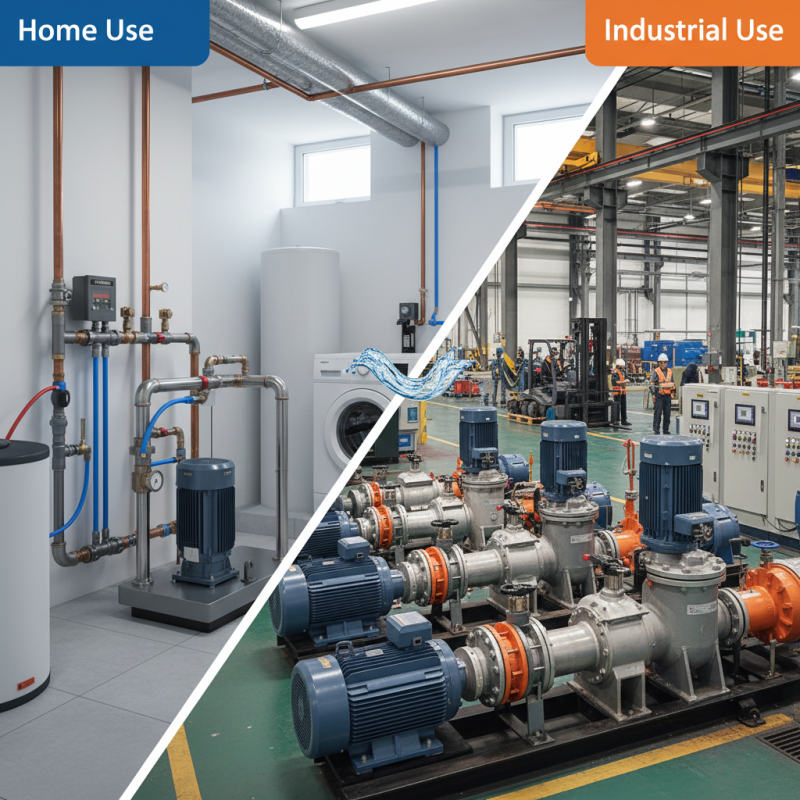
Overview of Pump Systems: Types and Applications
Pump systems play a vital role in various applications, both at home and in industrial settings. There are different types of pumps suited for diverse needs. For instance, centrifugal pumps are popular in residential water supply systems. They move water efficiently using a rotating impeller. This design is straightforward and effective, making it ideal for household use.
In industrial contexts, positive displacement pumps stand out. These pumps transport fluids by trapped volume movement. They are great for thick liquids or slurries. Their precision is beneficial for applications that require strict control. However, they can require more maintenance and have higher operational costs compared to centrifugal options. Each type of pump has pros and cons, making it essential to assess specific needs carefully.
Consider the energy efficiency of a pump system. High-energy usage can inflate costs over time. Users may not always choose the most efficient models. This can lead to higher energy bills and environmental impact. Testing and evaluation are crucial to make an informed decision. Reflecting on these aspects can help select the right pump system for your needs.
Factors to Consider When Choosing a Pump System
Choosing the right pump system is crucial for both home and industrial applications. Several factors influence this decision. Start by assessing the purpose of the pump. Is it for clear water, dirty water, or maybe chemicals? Each application requires a specific type of pump. Knowing the fluids involved helps narrow down your options.
Another important factor is flow rate. Determine how much fluid you need to move in a given time. This can affect efficiency and performance. If you choose a pump with a low flow rate for a high-demand task, it will underperform. Always match the pump specifications to your actual needs.
Installers often overlook maintenance requirements. Regular upkeep is necessary for longevity. Pumps can fail if not maintained properly. Check how easy it is to access parts. A complex design may complicate repairs.
Tips: Always read user reviews. They often highlight real-world issues. Consider energy efficiency too. It can save costs over time. Don’t rush your decision. Take the time to research and reflect on your specific requirements to find the best pump system for your needs.
Top 10 Pump Systems for Residential Use: Features and Benefits
When choosing a pump system for residential use, understanding key features is vital. Look for systems designed for various needs. Some pumps handle clean water, while others manage dirty wastewater. Think about where you need the pump. Is it for your garden, basement, or pool? Each scenario demands specific capabilities.
Efficiency is crucial in home pump systems. A well-designed model should minimize energy usage. You might consider features like automatic shut-off or adjustable flow rates. These can significantly lower your electricity costs. However, not all systems offer these benefits. It can be a challenge to find the right balance between cost and functionality.
Maintenance is another aspect that deserves attention. Some pumps require regular upkeep, which can be time-consuming. Others are designed for easy access and minimal service needs. Take into account your willingness to perform maintenance. An efficient system is useless if it takes too much effort to keep running smoothly. Be realistic about what you can commit to long-term.
Top 10 Best Pump Systems for Home and Industrial Use
| Pump System Type | Power Source | Flow Rate (GPM) | Max Head (feet) | Application | Features |
|---|---|---|---|---|---|
| Submersible Pump | Electric | 20 | 30 | Residential | Automatic operation, corrosion-resistant |
| Centrifugal Pump | Electric | 50 | 60 | Industrial | High efficiency, durable construction |
| Diaphragm Pump | Air Operated | 10 | 20 | Chemical & Fluid Transfer | Self-priming, low shear |
| Jet Pump | Electric | 30 | 50 | Wells & Water Supply | Compact design, easy installation |
| Gear Pump | Electric | 25 | 40 | Oil & Viscous Liquids | Constant flow, low pulsation |
| Sump Pump | Electric | 15 | 20 | Basements & Flood Water | Compact size, reliable |
| End Suction Pump | Electric | 40 | 70 | Agricultural & Industrial | High efficiency, low maintenance |
| Submersible Turbine Pump | Electric | 100 | 150 | Deep Wells & Irrigation | Energy efficient, durable |
| Positive Displacement Pump | Electric | 35 | 45 | Food & Beverage | Non-pulsing flow, sanitary |
Top 10 Pump Systems for Industrial Applications: Key Considerations
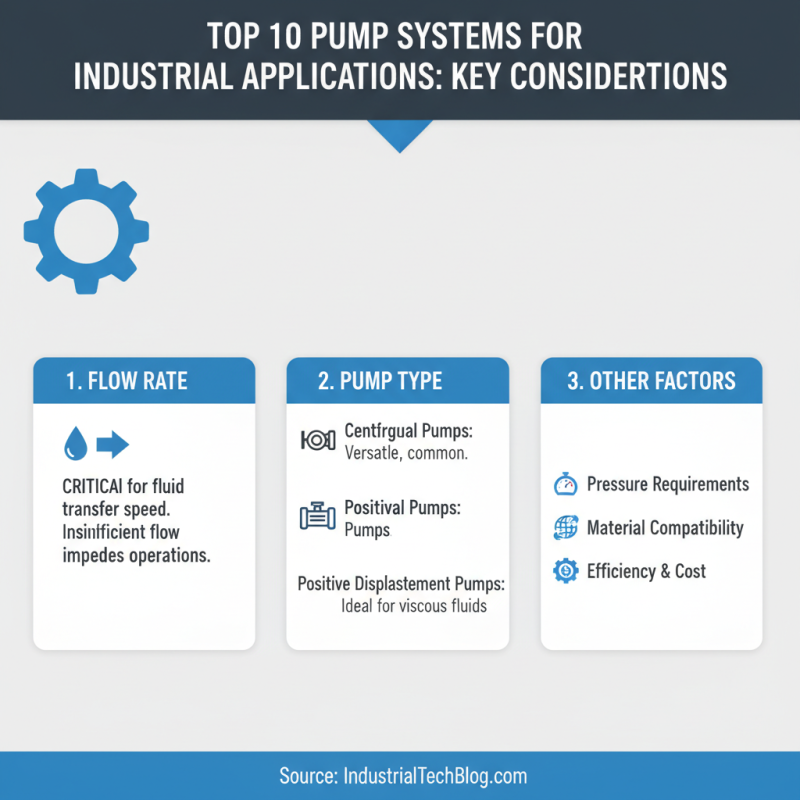
When selecting pump systems for industrial applications, several factors should be considered. The flow rate is critical. It dictates how quickly fluids can be moved. An insufficient flow rate can hamper operations. Consideration of pump type is also vital. Centrifugal pumps suit many applications, but positive displacement pumps handle viscous fluids better.
Maintenance is another key factor. Regular checks can prevent costly downtimes. A well-maintained pump system works efficiently. However, accessibility for servicing varies among models. This can be a challenge in cramped spaces. Assessing the energy efficiency of pump systems is increasingly important. High energy costs can erode profits. Look for systems designed for low energy consumption.
Another aspect to reflect on is the operating environment. Pumps may face extreme conditions such as high temperatures or corrosive substances. This can affect their durability and lifespan. The materials used in manufacturers can vary widely. Always check compatibility for specific applications. Ultimately, every industrial setup has unique needs. Tailoring your choice to those needs can be challenging but crucial.
Maintenance Tips for Optimal Performance of Pump Systems
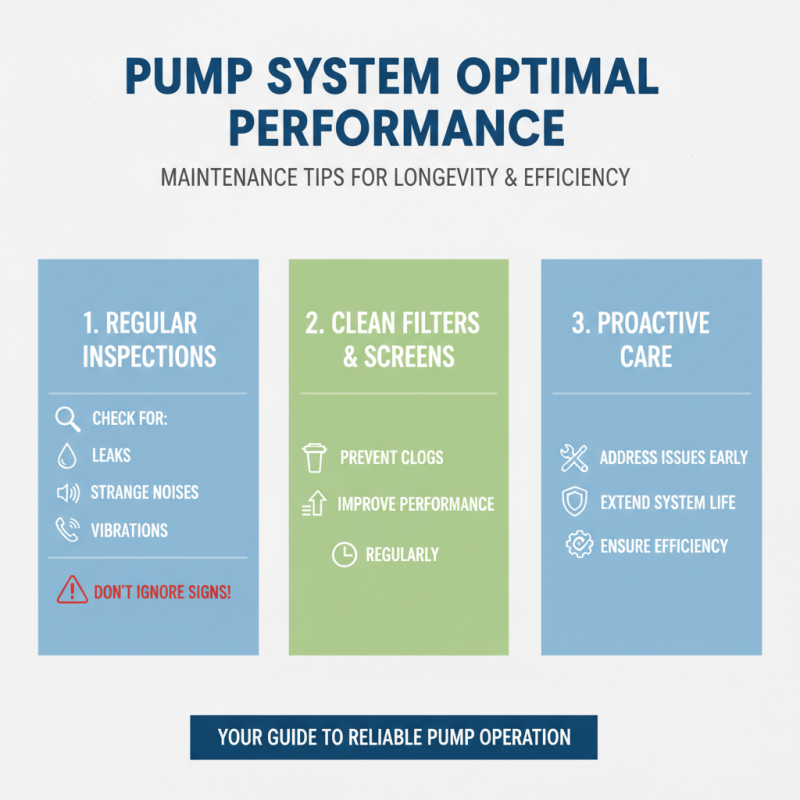
Maintaining pump systems is crucial for ensuring their longevity and efficiency. Regular inspections can help identify potential issues. Check for leaks, strange noises, or vibrations. Each of these signs may indicate a deeper problem. Don’t ignore them. It’s wise to clean filters and screens regularly. Clogged filters can reduce performance significantly.
Lubrication is key. Ensure all moving parts are well-lubricated. Too much or too little can cause wear and tear. Pay attention to the manufacturer’s recommendations. Testing the electrical connections is also important. Loose wiring can lead to failures. Make it a point to examine connections periodically. Keep a log of maintenance activities. Writing things down helps track issues over time.
Remember that sometimes, things go wrong. If a pump fails, troubleshoot the problem before replacing it. Reflect on the maintenance history. Were regular checks skipped? Examine how the system is used. Overworking a pump can lead to early breakdowns. Adjusting usage habits can often prevent future hassles. Every detail counts in the performance of pump systems.
Related Posts
-
Top 10 Benefits of Using Pump Systems for Efficient Fluid Management
-
How to Choose the Best Diaphragm Pump for Your Needs: A Comprehensive Guide
-
Liquid Pump Innovations and Industry Trends Highlighted at 2025 China Import and Export Fair
-
2026 Top Treatment Pumps What To Know Before Buying?
-
Top 10 Electric Pumps for Efficient Water Transfer and Usage
-
2025 Top Chemical Injection Pumps: The Ultimate Guide to Choosing the Best Options

Whether your solution requires a single pumping application or an expansive engineered system,
CheckPoint is committed to becoming your partner in excellence.