Why a Solar Pump System is the Best Choice for Your Water Needs
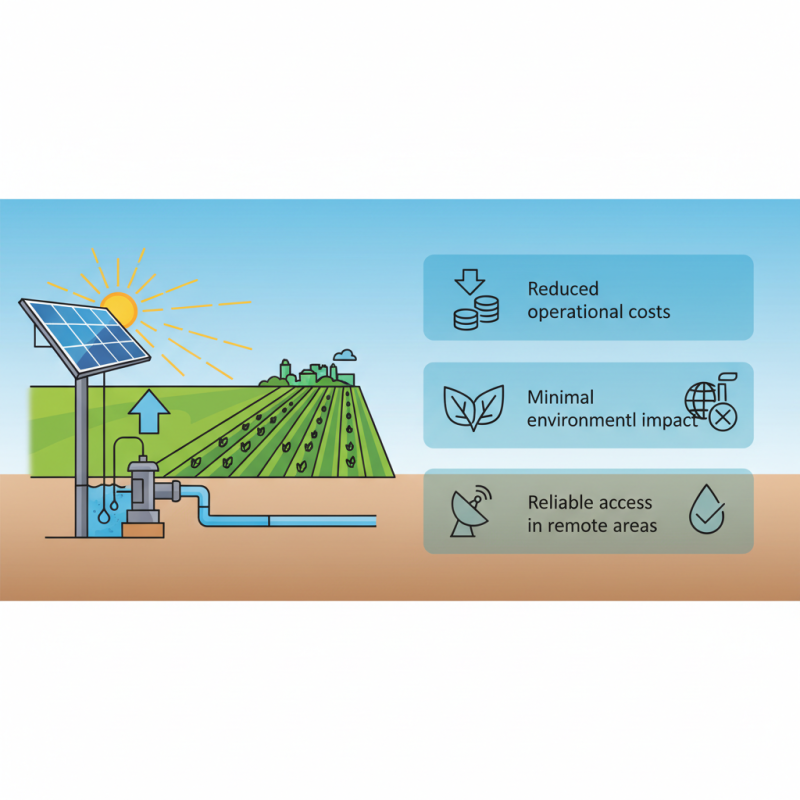
In recent years, the demand for sustainable solutions to meet water needs has led to a surge in the adoption of solar pump systems. These innovative systems harness solar energy to efficiently pump water, offering a reliable alternative to traditional diesel or electric pumps. Renowned industry expert Dr. Emily Hart, a leading researcher in renewable energy solutions, emphasizes the significance of this technology, stating, "A solar pump system not only reduces operational costs but also minimizes environmental impact, making it a crucial investment for the future."
With the growing concerns over climate change and water scarcity, solar pump systems present a practical and eco-friendly option for agricultural, municipal, and industrial applications. They operate independently of the grid, ensuring consistent access to water even in remote areas. Moreover, the decreasing costs of solar technology are making these systems more accessible to a wider range of users. As communities increasingly seek sustainable solutions, the solar pump system emerges as the best choice for addressing water needs while promoting environmental stewardship.
Benefits of Using Solar Pump Systems for Water Supply
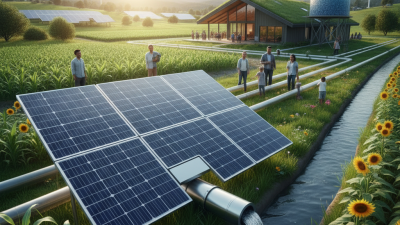
Solar pump systems are rapidly becoming the preferred choice for water supply in both residential and agricultural settings, and for good reason. One significant benefit is their ability to harness renewable energy from the sun, reducing reliance on traditional fossil fuels and decreasing utility costs. These systems are especially advantageous in remote areas where access to electricity is limited or non-existent, enabling users to ensure a steady water supply without incurring hefty installation fees associated with conventional pumps.
Additionally, solar pump systems are low maintenance, as they have fewer moving parts compared to their electric counterparts. This translates to less wear and tear and a longer lifespan, which ultimately results in reduced operational costs. The ability to operate independently from the grid also adds a layer of resilience, especially in areas prone to power outages or fluctuating electricity prices.
Tips: When considering a solar pump system, it's crucial to assess your water needs accurately. Calculate the volume of water you require and the depth of the water source to choose the right system size. Furthermore, regularly clean solar panels to maintain efficiency, particularly in dusty environments, ensuring optimal energy absorption for consistent performance.
Why a Solar Pump System is the Best Choice for Your Water Needs
| Feature |
Benefit |
Estimated Savings per Year |
| Renewable Energy Source |
Reduces dependence on fossil fuels |
$300 |
| Low Operating Costs |
Minimal maintenance required |
$150 |
| Environmentally Friendly |
No harmful emissions produced |
N/A |
| Independence from Grid |
Access to water in remote locations |
$400 |
| Long Lifespan |
Significantly reduces replacement costs |
$250 |
How Solar Pump Systems Work: An Overview of Technology
Solar pump systems have emerged as an efficient and sustainable solution for addressing various water needs, from agricultural irrigation to residential supply. These systems consist of solar panels that convert sunlight into electricity, which powers the pump. According to a report by the International Renewable Energy Agency (IRENA), the use of solar pumps can reduce operational costs by up to 80% compared to traditional fuel-powered pumps. This significant cost reduction not only benefits farmers but also contributes to resource conservation in water-scarce regions.
The technology behind solar pump systems is straightforward yet effective. A photovoltaic (PV) array captures solar energy and turns it into direct current (DC) electricity, which is then converted to alternating current (AC) to drive the pump. This energy is stored in batteries for use during non-sunny periods, ensuring a consistent water supply. Additionally, advancements in solar pump technology, such as variable speed drives and smart controls, enable users to optimize performance based on water demand and solar availability. According to the U.S. Department of Energy, solar pumping systems can achieve efficiencies as high as 90%, making them extremely reliable in meeting both residential and agricultural water needs effectively.
Comparing Solar Pump Systems to Traditional Water Pumping Methods
When considering water pumping methods, solar pump systems stand out against traditional pumping techniques for several reasons. Traditional pumps often rely heavily on electricity or fuel, leading to higher operational costs and a dependence on non-renewable energy sources. In contrast, solar pump systems harness the power of the sun, allowing them to operate independently of grid electricity. This shift not only reduces the ongoing costs associated with energy consumption but also promotes a sustainable approach to water management, making solar pumps an eco-friendly solution.
Moreover, solar pumps can be installed in remote locations where access to electrical infrastructure is limited or cost-prohibitive. This flexibility allows farmers and rural communities to easily access clean water for irrigation or livestock without the constraints of traditional systems. Additionally, solar pump systems generally require less maintenance due to fewer mechanical parts and the absence of fuel dependency. As technology advances, these systems become increasingly efficient and reliable, making them an attractive alternative for anyone looking to meet their water needs sustainably and cost-effectively.
Key Factors to Consider When Choosing a Solar Pump System
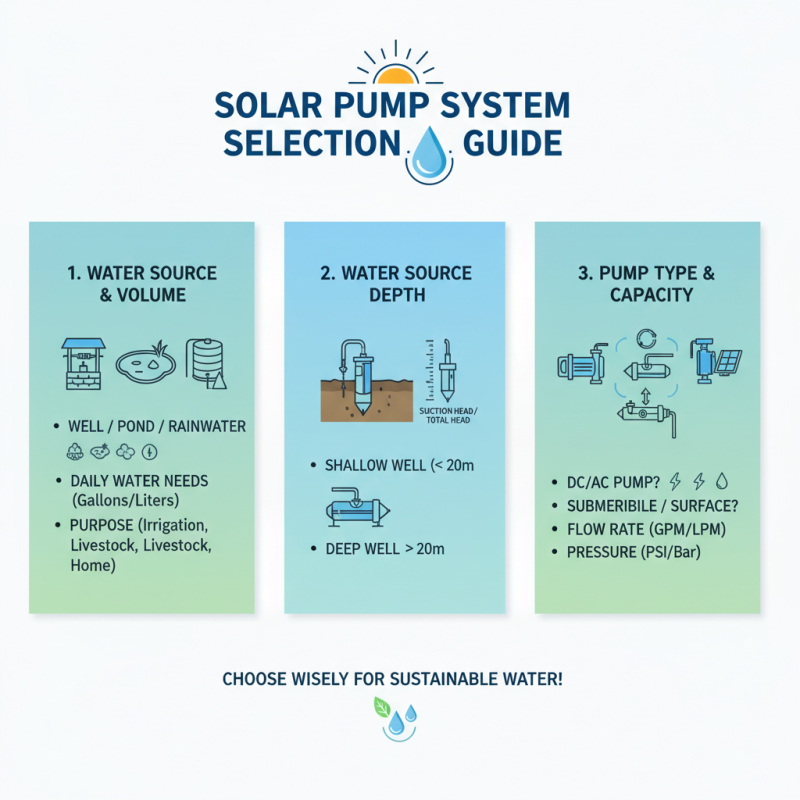
When selecting a solar pump system for your water needs, it’s essential to evaluate several key factors to ensure you make the best choice for your specific circumstances. Start by considering your water source and the volume of water you need to pump. Whether you are drawing water from a well, a pond, or a rainwater harvesting system, understanding your water requirements will guide you in choosing the right pump capacity and type. Additionally, assess the depth of the water source, as this will influence the kind of solar pump system suitable for your installation.
Tips: Determine the daily water consumption for your household or agricultural needs, and factor in seasonal variations that might affect water availability. This will help you select a solar pump capable of meeting fluctuating demands effectively.
Another crucial consideration is the solar panel configuration. Depending on your location and the amount of sunlight you receive, the size and number of solar panels needed will vary. Analyze your geographic area’s solar potential to optimize your system’s efficiency. Further, consider whether you want a fixed installation or a portable system, as this flexibility might impact your overall investment and functionality.
Tips: Evaluate potential shading on your installation site throughout the day, as this could significantly hinder solar panel performance. Choosing a site with maximum sunlight exposure will enhance the efficiency of your solar pump system.
Maintenance and Longevity of Solar Pump Systems
Solar pump systems are increasingly being recognized for their efficiency in meeting various water needs, but their maintenance and longevity are crucial factors that enhance their overall value. Regular maintenance of these systems is relatively straightforward. Operators should routinely check solar panels for dirt or debris, ensure battery connections are clean, and inspect the pump for any signs of wear or blockage. By performing these simple tasks, users can prevent major issues and ensure that the system operates at optimal efficiency.
Moreover, the longevity of solar pump systems is often linked to the quality of components and the environment in which they operate. High-quality solar panels and pumps are designed to withstand harsh weather conditions, which contributes to their durability. Additionally, ensuring that the system is installed correctly and protected from potential damage, such as freezing temperatures or excessive heat, can significantly extend its lifespan. Proper installation and environmental considerations not only improve performance but also reduce the need for frequent interventions, making solar pump systems a practical and sustainable choice for water management.