


Understanding Photovoltaic Connectors and Their Importance?
Photovoltaic connectors play a critical role in solar energy systems. These connectors ensure reliable electrical connections between solar panels and inverters. According to a report by Research and Markets, the global photovoltaic connector market is expected to reach $2.1 billion by 2028. This highlights the growing need for robust and efficient connectors in the renewable energy sector.
Renowned industry expert Dr. Linda Chen states, “The reliability of photovoltaic connectors directly affects system performance.” This underscores the importance of choosing high-quality connectors for sustainable energy solutions. Poorly designed or subpar connectors can lead to energy losses and increased maintenance costs.
In the rapidly expanding solar market, attention to detail is crucial. An overlooked connector issue can compromise entire solar installations. Therefore, understanding the specifications and capabilities of photovoltaic connectors is essential for the future of clean energy. Investing in quality connectors is not just a smart choice; it's a necessity for maximizing energy yields.
Understanding Photovoltaic Connectors and Their Importance
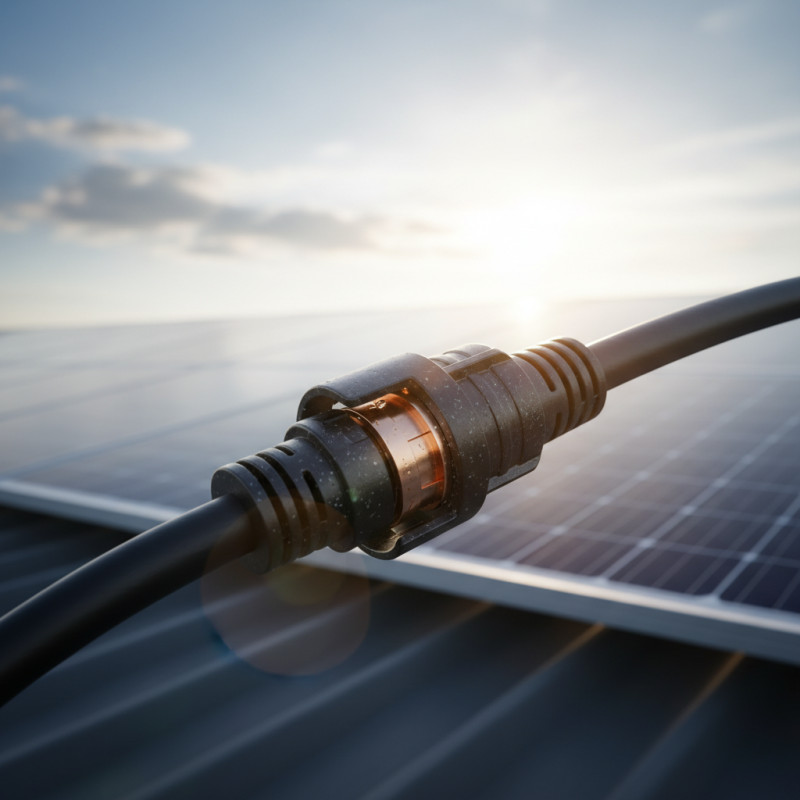
Photovoltaic connectors play a crucial role in solar energy systems. They ensure a reliable connection between solar panels and inverters. A strong and secure connection leads to efficient energy conversion. Without proper connectors, energy loss can occur. This affects the overall performance of solar installations.
When selecting photovoltaic connectors, compatibility is key. Different connectors may not work well together. This can lead to problems and increased maintenance needs. Often, installers overlook this aspect, leading to costly errors. Proper training and understanding of connector types can mitigate these issues. It's essential to take the time to choose the right connectors for each project.
In addition to compatibility, environmental factors must be considered. Photovoltaic connectors should withstand various weather conditions. UV exposure, moisture, and dust can impact longevity. Not every connector is designed for harsh environments. This detail is often underestimated. Regular inspections and knowledge of installation guidelines promote better system performance. A little attention can go a long way in ensuring system reliability.
Introduction to Photovoltaic Connectors: Definition and Types
Photovoltaic connectors play a critical role in the solar energy system. These connectors facilitate the connection between solar panels and other components. Understanding their definition and types is essential for effective solar installation.
There are various designs of photovoltaic connectors, each serving distinct purposes. For instance, MC4 connectors are widely known for their reliability and ease of use. They ensure a secure connection in various weather conditions. Another type, the Anderson connector, caters to higher power applications. It's crucial to select the right type based on your system’s needs.
However, challenges exist. A poor connection can lead to efficiency losses. Corrosion and water ingress pose significant threats over time. Regular maintenance checks can mitigate these risks, but many overlook this aspect. Awareness of connector types and regular assessments can enhance system performance significantly.
Key Functions of Photovoltaic Connectors in Solar Systems
Photovoltaic connectors play a crucial role in solar energy systems. Their primary function is to link solar panels to the inverter and other components. High-quality connectors ensure efficient energy transfer with minimal losses. Research shows that improper connections can lead to a 5-10% drop in energy yield. This highlights the need for reliable connectors.
Furthermore, these connectors must endure harsh environmental conditions. UV exposure, humidity, and temperature fluctuations are common challenges in outdoor installations. Data from industry reports indicate that connectors have a lifespan of about 25 years in optimal conditions. Yet, many connectors may fail prematurely due to poor materials or design flaws. Regular maintenance can help identify issues, but it often gets overlooked.
One area of concern is the installation process. Incorrect assembly can lead to considerable energy losses and safety hazards. For example, loose connections may cause arcing, which poses fire risks. Training for installers is essential, yet many technicians lack comprehensive training. This gap in knowledge can result in subpar system performance. Investing in quality connectors and proper education for installers can significantly enhance the overall efficiency of solar systems.
Importance of Quality in Photovoltaic Connectors for Efficiency
Photovoltaic connectors play a crucial role in solar energy systems. Their quality directly impacts the efficiency of energy conversion. High-quality connectors ensure a reliable connection between solar panels and inverters. This connection withstands weather conditions and mechanical stress.
When connectors fail, energy loss can occur. Poor quality might result in overheating or reduced performance. Each connection point is a potential weak link in the system. Even a small flaw can lead to significant energy loss over time.
Choosing the right materials for photovoltaic connectors is essential. They must be resistant to corrosion and UV exposure. The design must allow for easy installation and maintenance. Regular inspections can help identify any degradation. This proactive approach can enhance system efficiency and longevity.
Importance of Quality in Photovoltaic Connectors for Efficiency
Common Issues and Maintenance Tips for Photovoltaic Connectors
Photovoltaic connectors play a crucial role in solar energy systems. They ensure reliable connections between solar panels and the inverter. However, they can face common issues that may affect system performance. Regular maintenance is essential to prevent these problems from escalating.
Corrosion is one of the most frequent issues with connectors. Moisture and dirt can accumulate, leading to poor connections. Regularly inspecting and cleaning connectors can significantly mitigate this risk. Checking for signs of wear, such as discoloration or fraying, is vital. Many overlook this in routine checks.
Another concern is the proper installation of connectors. Improper fits can cause gaps, leading to energy loss. Reexamining installation methods is wise. Also, consider the impact of extreme temperatures. High heat can damage connectors over time. It’s important to evaluate the environmental conditions and address them promptly. Taking these steps can enhance the longevity and efficiency of photovoltaic systems.
Understanding Photovoltaic Connectors and Their Importance? - Common Issues and Maintenance Tips for Photovoltaic Connectors
| Connector Type | Common Issues | Maintenance Tips | Importance |
|---|---|---|---|
| MC4 | Corrosion, Loose Connections | Regular Inspection, Use Dielectric Grease | Ensures Efficiency, Reduces Downtime |
| Tyco | Overheating, Damage from UV Exposure | Check for Damage, Replace Worn Parts | Provides Secure Electrical Connections |
| Honsel | Water Ingress, Dust Accumulation | Seal Connections, Clean Regularly | Enhances System Longevity |
Conclusion
Photovoltaic connectors play a crucial role in solar energy systems, serving as the vital link between solar panels and the electrical components of a system. Understanding the different types of photovoltaic connectors and their key functions is essential for ensuring optimal performance and safety in solar installations. High-quality connectors are necessary to maintain efficiency and durability, as poor-quality connectors can lead to power losses and safety hazards.
Maintenance of photovoltaic connectors is equally important to prevent common issues such as corrosion and disconnection. As the industry evolves, future advancements in photovoltaic connector technology promise to enhance reliability and efficiency further. By keeping abreast of these trends, individuals and companies can ensure that their solar systems operate at peak performance while adapting to the growing demands of renewable energy solutions.
Article Source:

Whether your solution requires a single pumping application or an expansive engineered system,
CheckPoint is committed to becoming your partner in excellence.


