What is a micro switch and how does it work?
micro switches are essential components in many devices we use daily. They are small but powerful. These switches operate by sensing physical motion or pressure. When triggered, they create a circuit that performs specific tasks. This simple mechanism plays a vital role in various applications.
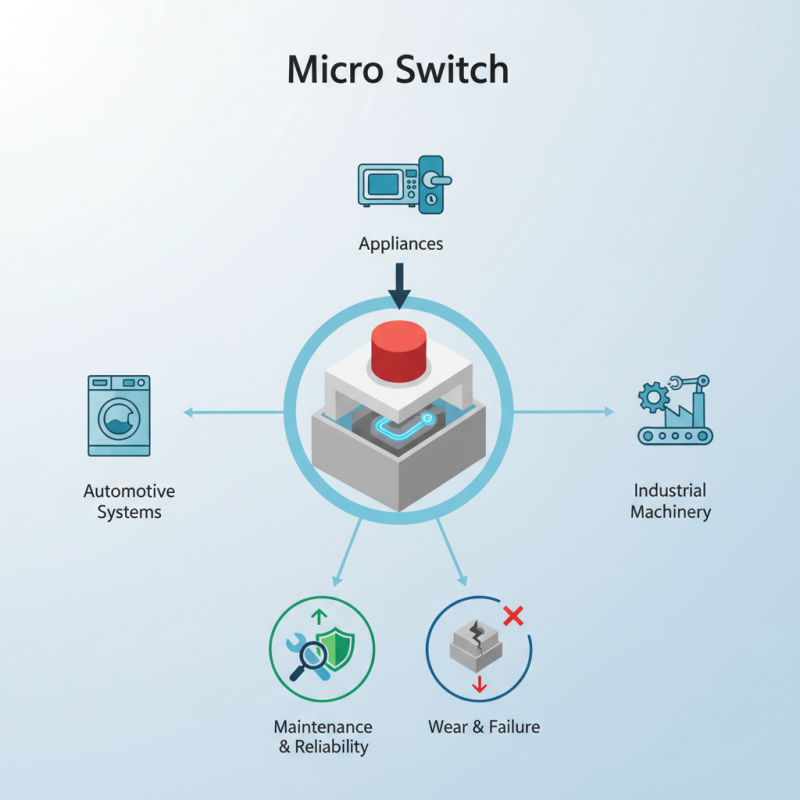
Micro switches are commonly found in appliances, automotive systems, and industrial machinery. Their compact design allows for integration into tight spaces. However, not all micro switches are created equal. Some may wear out faster than others. This inconsistency can lead to equipment failure. Users often overlook these small devices yet they are critical for proper function.
Understanding how micro switches work can help in maintenance. Recognizing their limitations is equally important. Regular checks can prevent unexpected breakdowns. Overall, these tiny switches significantly impact efficiency and safety in electronic systems. A little attention can go a long way in ensuring their reliability.
Definition and Purpose of a Micro Switch
A micro switch is a small, versatile device primarily used to control electrical circuits. This component is crucial in various applications, from household appliances to industrial machinery. Its primary purpose is to act as a simple switch that opens or closes circuits based on mechanical movement. A report by the International Electromechanical Association highlights that micro switches account for over 40% of the global switch market.
Micro switches operate using a physical mechanism. When pressure is applied to the actuator, it triggers the switch's internal contacts. This rapid response makes them ideal for applications requiring precise control. According to recent industry data, about 80% of industrial machines utilize micro switches for their reliability and durability. Despite these advantages, not all micro switches are created equal. Some may have limited lifespans or fail under extreme conditions, illustrating the need for careful selection.
Moreover, micro switch design can impact their performance. Factors like the materials used and actuator configuration can affect their responsiveness. In certain scenarios, users have reported inconsistencies in switch activation. The situation calls for more thorough testing and improvement. While micro switches are widely trusted, ongoing innovation is required to enhance their effectiveness in demanding environments.
Components of a Micro Switch
Micro switches are essential components in many electrical devices. They operate using a simple mechanism that provides quick activation for various applications. Understanding their components is key to grasping how they function effectively.
The primary component of a micro switch is the actuator. This small lever or button creates a mechanical action to trigger the switch. The structure helps in detecting small movements and converting that action into an electrical signal. According to a report by the International Electromechanical Society, over 70% of these switches are used in household applications, ranging from appliances to light controls.
Another critical part is the contact element, which completes the circuit when the actuator moves. The precision design of the contacts ensures reliability and longevity. Studies indicate that micro switches can withstand millions of cycles, which speaks to their durability. Yet, sometimes poor environmental conditions can compromise their effectiveness. It's essential to evaluate these factors. Understanding the components provides insight into the switch's broader context in electrical engineering.
Mechanism of Operation in a Micro Switch
A micro switch is a small mechanism that plays a crucial role in various devices. Its operation is fascinating yet straightforward. At its core, it consists of a simple lever and a pair of contacts. When pressure is applied to the lever, it pushes the contacts together, creating an electrical circuit. This design ensures that the switch can operate reliably with minimal force. The quick action makes it an ideal choice for many applications.
The mechanism behind micro switches is rooted in their sensitivity. Even a slight touch can activate the switch. This feature makes them perfect for applications like appliances and safety devices. They can switch on or off based on the lightest touch. However, this sensitivity can also lead to issues. Sometimes, minor vibrations can trigger the switch unintentionally. This may cause devices to function erratically.
Moreover, the material used in micro switches can affect their performance. Some materials wear out faster than others. This wear and tear can lead to failure over time. It’s essential to consider these factors when designing systems that rely on micro switches. Balancing sensitivity and durability is a constant challenge in their development.
Applications of Micro Switches in Various Industries
Micro switches are compact devices widely used in various industries for their reliability and precision. In the automotive sector, they play a crucial role in safety systems. For instance, they activate safety features like airbags and seatbelt reminders. According to a recent market report, the automotive segment is projected to contribute over 30% of the micro switch market by 2026.
In consumer electronics, micro switches are essential in appliances like microwaves and washing machines. They ensure that doors are securely closed before operation. The global consumer electronics market was valued at around $1 trillion, highlighting the significant role of micro switches in this field.
Tips: When designing equipment, consider the placement of micro switches carefully. Improper placement can lead to inefficiency or malfunction. Moreover, always choose switches that match your application needs, ensuring they meet durability and performance standards. Regular maintenance is vital. With frequent use, micro switches can wear down. Identifying early signs of wear can save costs in the long run.
Advantages and Limitations of Using Micro Switches
Micro switches are small devices that operate with minimal force. They are commonly used in various applications where precise control is necessary. Despite their compact size, micro switches have distinct advantages. They operate reliably and can endure extensive use. Their versatility allows them to be integrated into many devices, from household appliances to industrial machines.
However, micro switches also have limitations. They may not handle high current loads effectively. Prolonged use in extreme conditions can lead to failure. Hence, it is crucial to assess their compatibility with your specific needs. Overlooking this could result in unexpected breakdowns or malfunctions.
Tips: When integrating micro switches, ensure they are positioned correctly to avoid misalignment. Regular maintenance checks can prolong their lifespan. Always consider the environmental factors surrounding your application.