



What is Industrial Bearings and How to Choose the Right One?

Industrial Bearings are crucial components in various machinery and equipment. They enable rotational movement and reduce friction, thus enhancing efficiency. According to a recent industry report, the global industrial bearings market is projected to reach USD 100 billion by 2025. This growth highlights their essential role in manufacturing and production processes.

Choosing the right industrial bearings can be challenging. Factors such as load capacity, speed, and environmental conditions must be considered. Recent data indicates that improper selection can lead to equipment failure and increased maintenance costs. This underlines the need for careful analysis and expertise in bearing selection.

Many manufacturers overlook the significance of quality in industrial bearings. It’s essential to source them from reputable suppliers to ensure performance and longevity. Addressing this often leads to a more reliable operation and reduced downtime. Understanding the nuances of industrial bearings can greatly impact overall productivity in manufacturing environments.
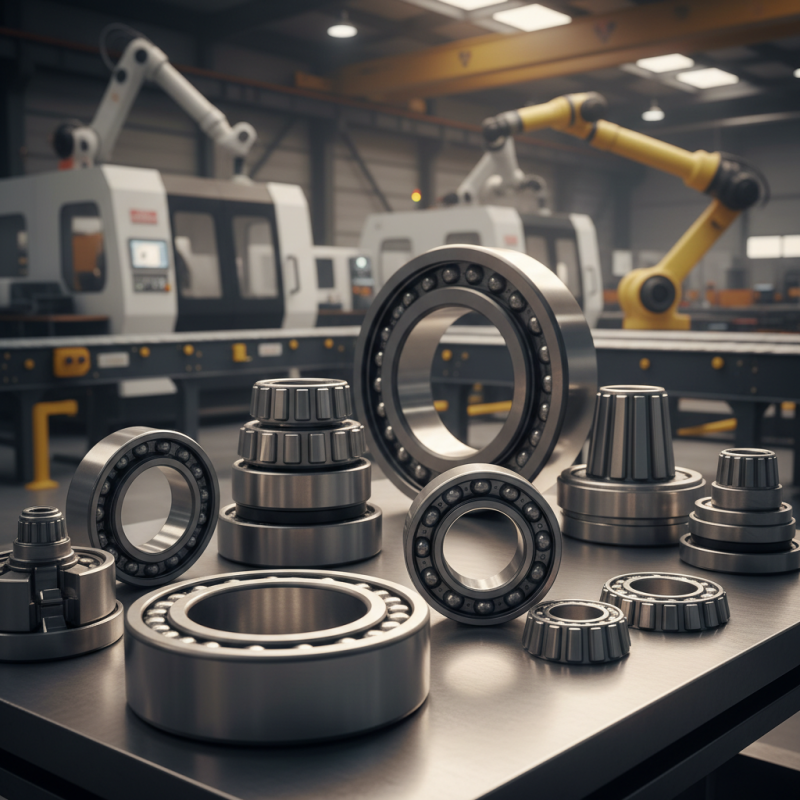
What is Industrial Bearings and How to Choose the Right One?

What Are Industrial Bearings?

Industrial bearings are crucial components in machinery. They allow parts to move smoothly and efficiently. Without them, machines could seize up, causing costly downtime. They play a vital role in various applications, from manufacturing to transportation.

There are several types of industrial bearings. The most common include ball bearings and roller bearings. Each type has unique characteristics. Ball bearings work well in high-speed applications, while roller bearings can handle heavier loads. Choosing the right type is essential for optimal performance.

Understanding the environment is also important. Factors like temperature, speed, and load capacities affect bearing selection. Contamination can lead to premature failure. Regular maintenance is crucial to extend service life. Over time, wear and tear can occur, leading to failures that could have been avoided. Users should be vigilant and knowledgeable about their specific requirements to make informed choices.

Types of Industrial Bearings and Their Applications

Industrial bearings play a crucial role in various mechanical systems. These components support rotating shafts and reduce friction. Selecting the right type can significantly impact operational efficiency. For example, ball bearings are commonly used in high-speed applications due to their low friction characteristics. They have an efficiency rating that can exceed 90% in some cases.

Another popular type is roller bearings, which can handle heavier loads. Their design allows for better distribution of weight, making them ideal for conveyor systems and heavy machinery. According to a 2022 market research report by Statista, the global bearings market is projected to reach USD 120 billion by 2026, with a significant demand for roller and ball bearings. However, the choice isn't always straightforward. Factors like load capacity, speed, and environmental conditions should influence decisions.

Thrust bearings are designed for axial loads and are used in applications like gearboxes. Despite their advantages, they require careful selection to prevent premature failure. Data indicates that improper installation can lead to a 30% decrease in lifespan. Understanding the properties of each type and their specific applications is essential. The wrong choice might lead to inefficiencies or even operational downtime.

Industrial Bearings Application by Type

This chart illustrates the distribution of various types of industrial bearings and their common applications across different industries. Understanding this can help in selecting the right type of bearing based on specific operational needs.

Factors to Consider When Choosing Industrial Bearings

When selecting industrial bearings, several critical factors come into play. Load rating is paramount. The bearing must support both the static and dynamic loads of its application. According to industry reports, nearly 40% of bearing failures result from incorrect load capacity. Ensuring the bearing can handle these loads extends its lifespan and improves operational efficiency.

The operating environment is also crucial. Different materials and seals are designed to meet specific environmental conditions. For instance, bearings exposed to high temperatures must feature suitable heat-resistant materials. Data indicate that bearings in corrosive environments fail up to 25% faster without proper protection measures.

Lastly, lubrication type significantly influences bearing performance. Whether using grease or oil, the right lubricant minimizes friction and wear. It’s observed that bearings with the incorrect lubrication type can experience a 30% reduction in service life. Assessing these elements thoroughly can help in making informed decisions, ultimately reducing downtime and maintenance costs.

How to Properly Maintain Industrial Bearings

Maintaining industrial bearings is crucial for optimal performance and longevity. Regular inspections can help identify issues early. Look for signs of wear, discoloration, or irregular noises. These indicators often point to underlying problems. Keep a maintenance log to track performance over time. This documentation can reveal patterns that inform future maintenance strategies.

Proper lubrication is another key factor. The right lubricant can reduce friction and wear. Always follow manufacturer guidelines for lubrication intervals. Over-lubricating can be just as harmful as under-lubricating. It may cause overheating and contamination. Training staff on best practices ensures everyone is aware of the importance of lubrication.

Finally, the environment plays a vital role in bearing maintenance. Operating in a dusty or humid area increases the risk of contamination. Sealing systems and protective covers can shield bearings from debris. However, these may not always be foolproof. Regular cleaning and checks are necessary to ensure optimal performance. By adopting these practices, you can extend the life of your industrial bearings and minimize unexpected failures.

What is Industrial Bearings and How to Choose the Right One? - How to Properly Maintain Industrial Bearings

Type of Bearing Load Capacity (kg) Speed Rating (RPM) Material Maintenance Frequency (Months)
Ball Bearing 1500 6000 Steel 6
Roller Bearing 2500 3000 Chrome Steel 12
Thrust Bearing 800 800 Brass 10
Magnetic Bearing 5000 10000 Composite Material 24

Common Mistakes to Avoid When Selecting Bearings

Choosing the right industrial bearings can be challenging. Many professionals make common mistakes that lead to costly downtime. One frequent error is underestimating load requirements. According to industry reports, nearly 30% of bearing failures stem from improper load selection. Always assess the load capacity before making a purchase decision.

Another mistake is neglecting environmental factors. Temperature, humidity, and contamination levels can significantly impact bearing performance. A study by the Bearing Manufacturers Association found that 25% of issues are tied to unsuitable operating conditions. It’s essential to select bearings designed for specific environments, addressing these external factors upfront.

Additionally, buyers often overlook maintenance needs. Regular maintenance ensures longevity and performance. Report data indicates that proactive maintenance can extend bearing life by up to 50%. Ignoring this aspect may lead to unexpected failures. Choosing the right bearing requires thorough research and careful consideration of potential pitfalls.

Whether your solution requires a single pumping application or an expansive engineered system,
CheckPoint is committed to becoming your partner in excellence.