


How to Source High Quality Beef Adrenals Powder?

Sourcing high-quality Beef Adrenals Powder requires more than comparing prices or reading a polished product page. Buyers need a clear view of origin, processing, testing, and supplier accountability. The strongest sourcing decisions begin with documented animal origin and a traceable production route. Batch numbers should connect the raw material to the finished powder. This detail matters when questions arise.

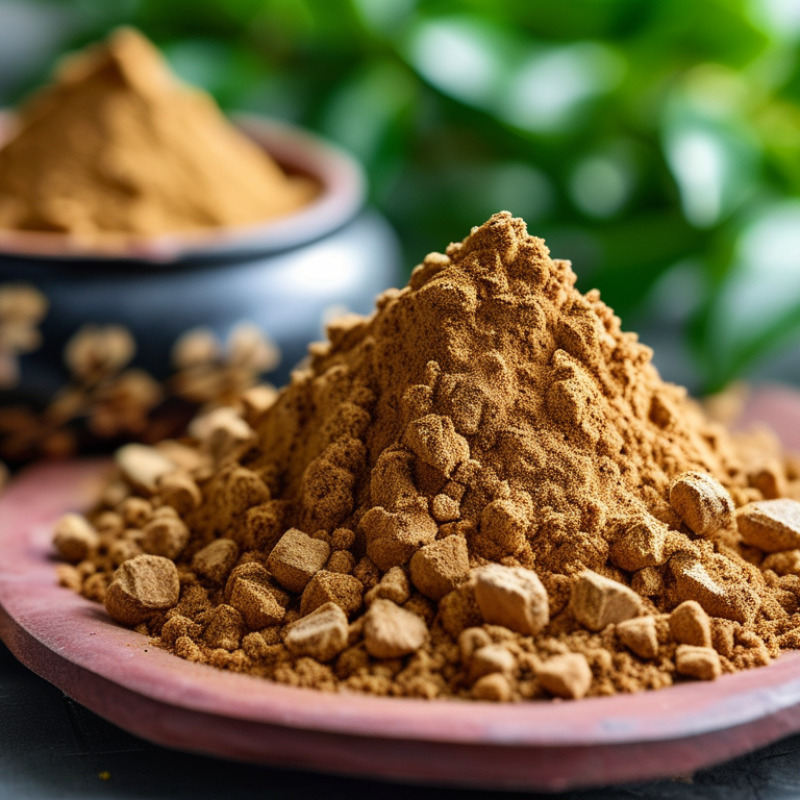
Experienced buyers typically request a current certificate of analysis for each lot. It should identify the product and report microbiological results, heavy metals, moisture, and other relevant contaminants. Testing should come from a qualified, independent laboratory when practical. Suppliers should also explain drying temperatures, milling controls, packaging materials, and storage conditions. Powder in a sealed, food-grade pouch should look uniform, smell clean, and show no unexplained clumping. Sensory checks do not replace laboratory testing.

Reliable suppliers communicate limits clearly. They avoid unsupported health promises and provide specifications suited to the intended legal market. Audits, quality systems, recall procedures, and responsive technical support add confidence. Still, no document should be accepted blindly. A certificate can be outdated, incomplete, or unrelated to the exact batch. That is an uncomfortable but necessary reminder. Ask for verification, compare records, and keep written approval criteria. This guide examines practical questions that help distinguish consistent Beef Adrenals Powder from material that merely appears professional. Quality is not a single claim. It is a chain of evidence, repeated from source to shipment.
How to Source High Quality Beef Adrenals Powder?

What Beef Adrenal Powder Is and Why Quality Matters

How to Source High Quality Beef Adrenals Powder?

Beef adrenal powder is made from the adrenal glands of cattle. These small glands sit above the kidneys and help regulate several body functions in living animals. The powder is usually dried and milled for use in dietary products. It is not a magic hormone or a guaranteed health solution. Quality matters because the final powder reflects the animal, facility, and processing method.

Reliable sourcing begins with traceability. The supplier should identify the cattle’s country of origin, processing site, and production lot. Veterinary oversight and food-grade handling are essential. Gentle drying may help protect sensitive compounds, but processing claims need evidence. Ask for independent testing of microbial safety, heavy metals, pesticides, and product identity. A certificate of analysis helps. It is not enough by itself.

A careful buyer should inspect testing methods, laboratory credentials, and sample dates. Storage also matters. Moisture, heat, and poor packaging can damage powder quality over time. I once treated a polished specification as proof of quality. That was too simplistic. A clean label can still hide weak controls. The better approach is to compare documents, question vague answers, and request recent batch records. Small details matter. Reliable suppliers welcome reasonable questions and explain limitations clearly.
How to Define Your Beef Adrenal Powder Specifications

Sourcing high-quality beef adrenal powder begins with a written specification, not a persuasive sales sheet. Define the bovine species, tissue identity, country of origin, and collection facility. Mention grass-fed or grain-finished status only when it matters. State the drying temperature range, milling size, moisture limit, and packaging requirements. These details improve consistency and testing. Require lot-level traceability from approved processing facilities. “Animal-derived” is too vague. Name the tissue.

Set acceptance criteria for identity, purity, microbiological safety, heavy metals, residues, and adulterants. Request a certificate of analysis for every lot. Include the sampling method and laboratory details. DNA or protein-based testing may support identity confirmation. Microscopy alone can be limited.

Ask for storage conditions, packaging material, shelf life, and retest dates. Confirm compliance with food or supplement regulations in the destination market. Documents must match the lot number. Small mismatch, big concern.

A polished certificate is not enough. Review accreditation, test dates, detection limits, and specification limits. Moisture pickup after opening is an overlooked failure point.

Tips: Keep critical limits measurable. Use “not detected” only with a stated detection limit. Compare three consecutive lots before approval. Retain a sealed sample from each lot. Record changes in odor, color, and texture. If results conflict, pause release and investigate. Real handling may expose weaknesses in the original specification. Revising it is not failure. It is useful evidence.

How to Evaluate Suppliers and Processing Standards

Sourcing high-quality beef adrenals powder starts with evaluating the supplier, not the product photograph. Ask for the animal species, sourcing region, slaughterhouse approval, and complete traceability records. Each lot should connect to a production date and batch number. A reliable supplier can explain how raw glands are collected, chilled, transported, and inspected. Vague answers are warning signs.

Processing standards deserve close attention. Request a current certificate of analysis for every batch, not only a general sample report. Check microbial counts, pathogens, moisture, heavy metals, and identity testing. The report should show testing methods, laboratory details, and clear acceptance limits. Facilities using documented GMP or HACCP systems offer stronger process control. Third-party audits can add confidence, but certificates need verification. Paperwork alone is not proof.

Ask how the powder is dried, milled, packed, and stored. Controlled temperatures may help protect sensitive compounds, while excessive heat can reduce product quality. Packaging should limit moisture and oxygen exposure. Inspect the sample for unusual odor, clumping, dark particles, or inconsistent color. Small details matter. I once underestimated the value of reviewing transport conditions. The powder arrived sealed, yet poor warehouse humidity had affected its texture. Supplier evaluation should include a retained sample, complaint procedure, recall process, and realistic lead times. Local import and food regulations must also be checked before purchase.

How to Source High Quality Beef Adrenals Powder? - How to Evaluate Suppliers and Processing Standards

Evaluation Dimension What to Verify Practical Quality Benchmark Recommended Evidence
Raw Material Identity Confirm that the material is bovine adrenal gland and not a blend of unspecified organs. The specification should clearly state the animal species, tissue identity, powder form, and intended use. The product should have a defined identification test. Product specification, identity test method, representative sample, and certificate of analysis (COA).
Animal Origin and Traceability Review the country or region of origin, slaughterhouse traceability, lot coding, and chain-of-custody controls. Every finished-product lot should be traceable back to documented raw-material lots and processing records. Traceability procedure, lot records, supplier declarations, and recall or mock-recall records.
Supplier Quality System Assess whether the facility operates under documented good manufacturing, hygiene, and quality-control procedures. Prefer facilities with a current third-party audit or certification appropriate to the product category, plus controlled SOPs and deviation management. Audit summary, quality manual, SOP index, corrective-action records, and certificate validity dates.
Raw-Material Handling Check the time and temperature controls between collection, chilling or freezing, and processing. Raw glands should be handled under controlled sanitary conditions, with documented temperature monitoring and protection from cross-contamination. Receiving records, temperature logs, sanitation procedures, and raw-material acceptance criteria.
Processing Method Identify whether the powder is freeze-dried, low-temperature dried, spray-dried, or processed by another method. The process should be validated for moisture reduction and microbial control while minimizing unnecessary heat exposure and oxidation. Process flow chart, critical process parameters, validation summary, and batch manufacturing record.
Moisture and Water Activity Evaluate moisture content and water activity because both affect shelf stability and microbial growth risk. Use supplier-defined limits supported by stability data. A commonly used control target for dry powders is water activity below 0.60, but the final limit should be product-specific. Routine moisture result, water-activity result, test method, and product specification.
Microbiological Quality Review testing for total aerobic microorganisms, yeast and mold, Enterobacteriaceae, and relevant pathogens. The specification should include limits suitable for an animal-derived powder. Salmonella should be absent in the tested analytical portion, with the sampling plan clearly stated. Recent lot-specific microbiology COA, sampling plan, laboratory accreditation, and test methods.
Heavy Metals and Environmental Contaminants Check arsenic, lead, cadmium, mercury, and any contaminants relevant to the source region and intended market. Results should comply with applicable legal requirements in the destination market and with the buyer's internal limits. Independent laboratory report, method detection limits, regulatory compliance statement, and risk assessment.
Residues and Animal-Health Controls Determine whether the supplier assesses veterinary-drug residues, pesticides, and other contaminants relevant to bovine tissues. A documented risk-based testing program should be in place, particularly when raw materials come from multiple sources. Residue-monitoring plan, supplier declaration, periodic test reports, and source-control procedure.
Adulteration and Authenticity Confirm that the powder is not diluted with fillers, proteins, or material from other tissues. Use orthogonal testing where appropriate, such as microscopy, protein profiling, DNA-based testing, or other validated identity methods. Authenticity protocol, method validation, laboratory results, and change-control records.
Active-Component Consistency Clarify which nutritional or biochemical markers are used to compare batches. Markers should be selected according to the product's intended use, with defined test methods and acceptable batch-to-batch ranges. Avoid unsupported therapeutic claims. Specification sheet, validated assay or marker method, trend data, and batch COAs.
Allergen and Cross-Contact Control Review the facility's handling of milk, soy, gluten-containing materials, and other regulated allergens. The supplier should disclose intentional ingredients and maintain documented cleaning and cross-contact controls. Allergen statement, cleaning validation or verification records, and shared-equipment assessment.
Packaging and Storage Assess protection from moisture, oxygen, light, pests, and physical contamination during storage and transport. Packaging should be food- or supplement-contact suitable for the intended use, sealed, lot-coded, and supported by defined storage conditions. Packaging specification, seal-integrity checks, warehouse records, and transport requirements.
Shelf-Life and Stability Verify that the stated shelf life is supported by real-time or appropriately designed accelerated stability data. Stability should monitor appearance, odor, moisture or water activity, microbiology, and relevant quality markers under labeled storage conditions. Stability protocol, time-point results, expiry rationale, and retain-sample procedure.
COA Reliability Check whether the COA is specific to the shipped lot rather than a generic document. A complete COA should include lot number, production date, test dates, specifications, actual results, methods, and authorized approval. Lot-specific COA, laboratory qualification records, and a clear distinction between in-house and external testing.
Regulatory and Claims Review Ensure that product labeling, import documentation, and marketing claims match the destination-market requirements. Use factual composition and quality statements. Claims about treating, preventing, or curing disease require appropriate legal and regulatory review. Label draft, regulatory assessment, import documents, and claims-substantiation file.
Supplier Approval Decision Combine documentation review, sample evaluation, laboratory testing, and manufacturing-site assessment. Approve only when identity, safety, traceability, process control, and consistency requirements are demonstrated and major corrective actions are closed. Supplier questionnaire, risk scorecard, sample test results, audit report, and approved-supplier record.

Note: Quality limits for animal-derived powders can vary by product category, intended use, analytical method, and destination market. Final specifications should be confirmed against applicable regulations and supported by validated testing and product-specific stability data.

How to Verify Purity, Potency, and Product Safety

How to Source High Quality Beef Adrenals Powder?

How to Verify Purity, Potency, and Product Safety

A reliable sourcing process starts with documented identity. Ask for the animal species, tissue source, country of origin, and processing method. Beef adrenal powder should have a batch-specific certificate of analysis, not a generic file. Confirm the lot number matches the package. Small details matter.

Purity testing should cover heavy metals, pesticides, microbial counts, yeast, mold, and pathogens. Ask whether testing uses validated laboratory methods. A clean-looking powder proves very little. Check moisture levels too, because excess moisture can affect stability and encourage microbial growth. Allergen controls and cross-contact procedures also deserve clear answers.

Potency is more difficult to judge. Many glandular powders do not have one universally accepted active-compound marker. Request the supplier’s testing rationale, assay limits, and method validation. Do not accept vague claims such as “high strength.” Review storage temperature, packaging materials, tamper evidence, and shelf-life data. Traceability should connect the finished powder to its production records.

One sourcing mistake is trusting polished paperwork too quickly. I have seen how missing dates or unclear laboratories can weaken otherwise convincing documents. A cautious buyer should verify the laboratory’s accreditation and ask for an independent retest when results seem unusually perfect. Quality systems should follow recognized manufacturing practices, while final compliance depends on the destination market and intended use.

How to Compare Samples, Documentation, and Total Costs

How to Source High Quality Beef Adrenals Powder?

Comparing samples requires more than checking color and price. A quality sample should show consistent powder fineness, a mild natural odor, and low moisture. Ask for the processing date, origin, extraction method, and batch number. Request independent testing for identity, microbes, heavy metals, pesticides, and allergens. ISO/IEC 17025 laboratory accreditation adds credibility, but it does not replace reviewing the actual report. The FAO reports that 13.2% of food is lost before retail, making traceability and handling controls commercially important (The State of Food and Agriculture 2019).

Documentation often reveals more than the sample. Check whether the certificate of analysis matches the supplied batch. Confirm testing methods, detection limits, manufacturing controls, and shelf-life evidence. A polished certificate with missing units is a warning sign. Market research by Grand View Research valued the global dietary supplements market at approximately USD 177.5 billion in 2023. That scale increases demand, but it also rewards careful verification. I would not approve a supplier from one attractive sample alone.

Tips: Compare three samples under identical storage conditions. Record color, odor, flow, and clumping after seven days. Calculate total cost using product price, testing, freight, insurance, customs, packaging, and expected waste. A cheaper powder may become expensive after failed testing or inconsistent batches. This is where sourcing often becomes imperfect. Forecasting every loss is difficult, so keep a contingency allowance and document the assumption.

Whether your solution requires a single pumping application or an expansive engineered system,
CheckPoint is committed to becoming your partner in excellence.