


How to Choose Exothermic Welding Powder?
Choosing Exothermic Welding Powder is not a matter of picking the largest cartridge or the lowest price. The right charge depends on conductor material, conductor size, mold design, and the connection’s service conditions. A mismatch can leave an incomplete weld, excess slag, or a connection that fails inspection. Small details matter: check the powder label, mold condition, and manufacturer’s charge chart before each weld.
Industry data offers useful context, but not a shortcut. Grand View Research estimated the global welding products market at USD 14.71 billion in 2023; its report covers a broad product category, not exothermic powder alone. For grounding connections, IEEE Std 837-2014 provides a recognized qualification framework for permanent connections used in substation grounding. These sources help frame procurement and performance questions, but neither replaces product-specific technical documentation or job-site verification.
A reliable selection process compares the powder’s approved application, conductor compatibility, package size, storage requirements, and test documentation. Ask suppliers for current instructions and traceable product data. Then confirm that the listed charge matches the exact mold and conductor combination. There is no verified, attributable expert quotation specific to powder selection available in the supplied material, so inserting one would risk misrepresenting an expert. That gap deserves attention: marketing claims are not engineering evidence.
Identify the Conductor Metal: Copper Melts at 1,085°C
How to Choose Exothermic Welding Powder?
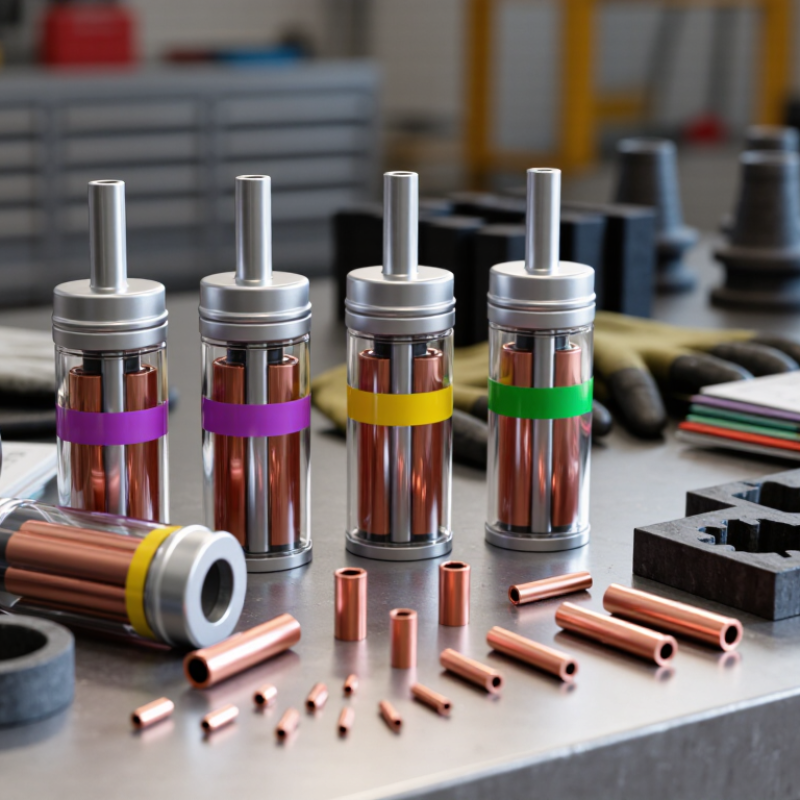
Copper’s melting point is about 1,085°C, a useful reference when selecting exothermic welding powder. But the number does not tell the whole story. A sound connection depends on the reaction producing enough heat for the joint, without relying on the idea that the entire conductor must melt. I would not choose powder by melting point alone.
Check that the powder specification matches the conductor metal, conductor size, and joint design. Copper may be solid or stranded, and the joint may connect a cable to a plate or another conductor. Those details affect how the molten metal fills the mold and surrounds the connection. Even a small mismatch can leave gaps. That matters. Also consider surface condition: oxide, dirt, or moisture can undermine contact, so follow the product instructions for preparation and mold use. Use powder intended for the specified application, and have trained personnel make the connection. The temperature figure is clear; the best choice still depends on the actual joint.
Match the Powder Charge to Conductor Area and Mold-Cavity Volume
How to Choose Exothermic Welding Powder?
Match the Powder Charge to Conductor Area and Mold-Cavity Volume
Choose the charge from the weld chart for the exact conductor and mold combination. Measure conductor area in square millimeters; do not rely only on a cable’s trade size. Then confirm the cavity type, weld configuration, and conductor count. A 70 mm² copper cable and a 70 mm² stranded conductor may not occupy the same usable space. Small mismatch matters.
The specified powder charge should suit the cavity and produce a continuous weld without excess molten metal or spatter. Check the mold’s condition too: a chipped or worn cavity can affect containment. Use the chart’s charge code, not a scoop estimated by eye. No universal scoop. This check can feel routine, which is exactly why it is easy to rush.
IEEE Std 837-2014 addresses qualification testing for permanent grounding connections, including electrical and mechanical performance; it does not set one powder mass for every joint. IEC 62561-1:2023 specifies performance requirements for lightning-protection connection components. These standards provide performance context, while charge selection depends on the joint’s geometry. Record conductor area, mold identification, and charge code before use. If the conductor construction or cavity differs from the chart, pause and verify the procedure. The chart may look simple; its assumptions deserve a second look.
How to Choose Exothermic Welding Powder? — Match the Powder Charge to Conductor Area and Mold-Cavity Volume
How to read this chart: Conductor displacement is calculated for a 20 mm conductor engagement length (cross-sectional area × engagement length). Mold-cavity volumes are illustrative example measurements, not standard values. Select the powder charge using the approved charge chart for the specific mold, conductor combination, and weld type; cavity geometry and connection design matter, so do not scale the charge from conductor area alone.
Select a Formulation for Copper, Steel, or Rail Connections
Choosing exothermic welding powder starts with the metals being joined. For copper-to-copper connections, select a charge specified for the conductor size, joint type, and mold cavity. A charge that is too small may leave an incomplete connection; excess material can cause spatter or poor fit. Check the product data, not just the packet color.
Copper-to-steel connections need a formulation and mold designed for that material pairing. Steel surface condition matters: rust, oil, or heavy scale can interfere with bonding. Rail connections require extra care. Rail profile, steel grade, bond placement, and the connection design all affect charge selection. Rail-specific kits may differ from general steel-to-copper charges. Not interchangeable. Confirm the exact application with technical documentation before ordering.
Keep powder dry and sealed, and verify its stated use and storage conditions. Moisture can affect handling and weld quality. Match the mold to the actual conductor or rail dimensions, since small size differences matter. A qualified installer should follow the specified procedure and use appropriate protective equipment. If a connection type is unusual, pause and check with the powder supplier or engineering team; guessing from a similar-looking joint is tempting, but not reliable.
Compare Reaction Heat: Thermite Welding Can Exceed 2,000°C
How to Choose Exothermic Welding Powder?
Compare Reaction Heat: Thermite Welding Can Exceed 2,000°C
Thermite welding powder can produce reaction temperatures above 2,000°C, but the peak figure is not a quality score. Actual heat depends on the powder formulation, charge size, mold condition, and working environment. Heat is only one clue. Choose a powder specified for the conductor material and joint configuration, rather than selecting the hottest option by default. Excess heat may increase spatter or damage nearby components, while insufficient heat can leave an incomplete bond.
Check the manufacturer’s technical data for the intended application, charge size, and compatible mold. Reliable specifications help you compare products on more than a headline temperature. In practice, a dry, clean mold and correctly prepared conductors matter too. Small details matter. Even a suitable powder can perform poorly if moisture, residue, or a worn mold disrupts the reaction. It is tempting to focus only on temperature; that shortcut deserves a second look.
Tips: Confirm the powder and mold are designed to work together. Follow the product instructions, wear the specified protective equipment, and keep people clear of hot material. Record any inconsistent results, then inspect setup and storage conditions before changing powder. A little caution beats guessing.
How to Choose Exothermic Welding Powder? — Compare Reaction Heat: Thermite Welding Can Exceed 2,000°C
| Powder System | Typical Reaction-Temperature Range | Molten Product | Common Application | Key Selection Considerations |
|---|---|---|---|---|
| Copper-oxide/aluminum exothermic charge | Approximately 2,000–2,500°C in the reaction zone; the exact peak depends on formulation and conditions. | Molten copper, with aluminum oxide slag as a by-product. | Electrical grounding and bonding connections between compatible copper conductors, copper-clad steel, and approved metallic components. | Match the charge to the conductor combination, connection geometry, and mold design specified for the application. Do not choose by temperature alone. |
| Iron-oxide/aluminum thermite charge | Typically above 2,000°C; some formulations can reach approximately 2,500°C or higher in the reaction zone. | Molten iron or steel, depending on the formulation and any alloying additions. | Thermite rail welding and other specialized ferrous-metal joining processes. | Use only a formulation and welding procedure intended for the specific steel grade, joint design, preheating method, and service conditions. |
| Charge size selected for the connection | Peak temperature is not determined by charge mass alone; reaction heat and molten-metal quantity both matter. | Enough molten metal to fill the designed weld cavity when the approved process is followed. | Connections with different conductor sizes or mold cavities within a compatible product system. | Follow the charge designation for the mold and connection. An oversized or undersized charge can produce an unacceptable joint. |
| Application-specific, qualified charge | Use the temperature range documented for the exact formulation and process; generic figures are not a substitute for qualification data. | Varies with the active metal oxide, reducing agent, and formulation. | Special conductor materials, dissimilar-metal connections, or demanding environmental and service requirements. | Check material compatibility, electrical or mechanical performance requirements, applicable standards, and the manufacturer’s current instructions. |
Note: Temperature figures are indicative reaction-zone ranges, not guaranteed weld-metal or joint temperatures. Actual results vary with powder composition, charge size, moisture, mold condition, preheating, and technique. Select powder by material compatibility and the approved mold-and-charge combination, and follow the relevant safety instructions.
Check Mold Compatibility, Charge Code, and Joint Requirements
Choosing exothermic welding powder starts with mold compatibility, not package size. Check the mold’s identification and confirm it suits the conductor dimensions, joint shape, and material. A cavity designed for a straight-through connection may not fit a tap joint. Look for wear, cracks, or residue that could prevent a snug fit.
Match the charge code to the mold and the exact conductor combination. Codes are not universal. Use the current compatibility chart rather than guessing from a similar-looking package. An undersized charge may leave an incomplete connection; an oversized one can create excess metal and poor fit. These are risks, not automatic outcomes, so inspect the finished joint as instructed.
Then consider the joint requirements: conductor material, strand class, cross-section, connection orientation, and expected electrical load. Confirm that the selected mold and powder are approved for that combination. Keep components clean and dry, and follow the product instructions for preparation, ignition, and protective equipment. I would recheck handwritten field notes against the current chart; they can be outdated. Small detail, big consequence. When specifications conflict, pause and consult the technical documentation or a qualified specialist.

Whether your solution requires a single pumping application or an expansive engineered system,
CheckPoint is committed to becoming your partner in excellence.


