What is a Flat Pouch Packing Machine and How Does it Work?
The Flat-Pouch Packing Machine is a vital tool in modern packaging processes. This machine specializes in creating flat pouches for a variety of products. These pouches are efficient, cost-effective, and versatile. They cater to industries like food, pharmaceuticals, and personal care, offering unique advantages.
Understanding how a Flat-Pouch Packing Machine operates can provide insights into improving your production line. These machines use advanced technology to ensure accuracy and speed. They can handle different materials, making them adaptable to various needs. In an ever-evolving market, businesses must consider these machines for their packaging solutions.
However, relying solely on technology may not be the best approach. Human oversight is crucial. Machines can malfunction, leading to production delays. Regular maintenance and operator training are essential. A balance between automation and human skill can enhance efficiency and reliability. This reflection highlights that, while technology is powerful, the human element remains indispensable in the packaging industry.
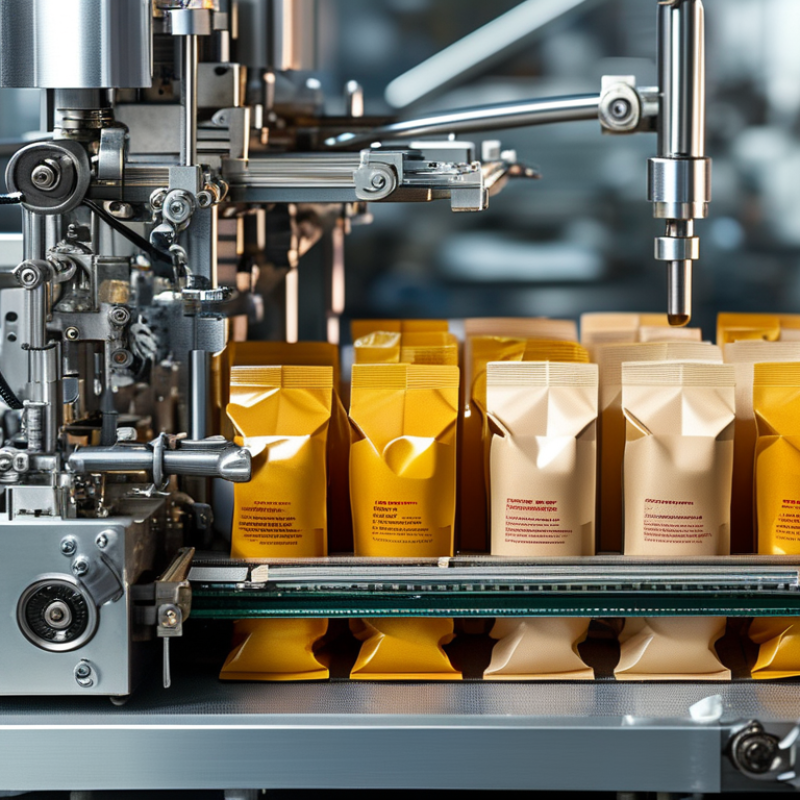
What is a Flat Pouch Packing Machine?
A flat pouch packing machine is an essential tool in packaging industries. It is designed to fill and seal flat pouches efficiently. These machines are versatile, accommodating various products from food to non-food items. The primary function involves taking flat pouches, filling them with the product, and sealing them tightly.
In operation, the machine typically utilizes automatic feeding systems. This allows for high-speed filling and sealing processes. The user can adjust settings, ensuring proper fill volumes and sealing temperatures. However, there can be challenges. If the product is too viscous, it might cause jams. Routine maintenance is crucial to avoid such issues. A lack of proper calibration can lead to inconsistent sealing, impacting product quality.
Flat pouch packing machines play a significant role in food preservation. Proper sealing technology can extend shelf life and maintain freshness. Yet, each machine has its specific requirements. Operators need training to handle the intricate details of the machinery. This prevents unexpected breakdowns and ensures a smooth production flow.
Key Components of a Flat Pouch Packing Machine
A flat pouch packing machine is essential for various industries, particularly in food and pharmaceuticals. Key components play a vital role in its operation. The main structure consists of a feeding system, sealing unit, and a control panel. Each component must work harmoniously to ensure efficiency.
The feeding system introduces the material into the machine. This can be manual or automatic, depending on production needs. Industry data shows that automated feeding increases efficiency by up to 30%. The sealing unit is crucial. It ensures that the pouches are hermetically sealed. Proper sealing prevents contamination, which is vital for product integrity. In fact, studies reveal that up to 15% of product waste can occur due to poor seals.
The control panel allows operators to monitor performance and make adjustments. Real-time data display fosters better decision-making. According to recent studies, incorporating advanced monitoring systems can reduce downtime by 20%. However, operators sometimes struggle with complex interfaces, leading to inefficiencies. Addressing user experience in control systems is an ongoing challenge within the industry. These components need constant evaluation for optimal performance.
The Working Mechanism of a Flat Pouch Packing Machine
Flat pouch packing machines are vital in various industries. Their role is primarily to package products efficiently in flexible pouches. Understanding their working mechanism helps businesses streamline production lines and enhance packaging quality.
These machines generally operate on a straightforward mechanism. They start with film fed into the machine. The film is typically made from materials like polyethylene or polypropylene, providing durability and moisture resistance. Next, the machine forms the film into pouches, fills them with the product, and then seals them tightly. This process often includes features like automatic cutting and advanced sealing techniques, ensuring each pouch is consistent and leak-proof. Data from the flexible packaging industry indicates that the global flexible packaging market is projected to reach $350 billion by 2024, highlighting the demand for such machines.
Often, manufacturers need to consider several factors during operation. Regular maintenance is crucial for performance. Keeping components clean can prevent costly downtimes. Operators should also regularly calibrate the machine for precise pouch sizes and seal integrity. Not adhering to these practices may result in subpar packaging. Ultimately, staying informed about advancements in technology can lead to better choices in machinery and materials, enhancing production efficiency and sustainability.
Applications of Flat Pouch Packing Machines in Various Industries
Flat pouch packing machines have gained significant traction across various industries. These machines are versatile and highly efficient in packaging a range of products, including food items, pharmaceuticals, and cosmetics. According to industry reports, the global packaging machinery market is projected to grow at a CAGR of 4.5% from 2021 to 2026. This growth is driven by the increasing demand for convenient packaging solutions.
In the food industry, flat pouch machines are utilized to package snacks, pet food, and ready-to-eat meals. Pouches preserve freshness and extend shelf life. A study noted that 60% of consumers prefer pouches for their ease of use and portability. Similarly, in the pharmaceutical sector, these machines ensure sterile packaging for tablets and ointments, which is crucial for safety and compliance. Missteps in packaging can lead to contamination, making reliability a priority.
Furthermore, not all flat pouch machines perform equally well across varied applications. Some machines may struggle with different materials or pouch designs, which calls for careful consideration during selection. Even a small misalignment in sealing can compromise product integrity. Companies are encouraged to conduct comprehensive tests to ensure optimal performance and make informed choices based on their unique needs.
Benefits of Using a Flat Pouch Packing Machine in Packaging Processes
Flat pouch packing machines are becoming increasingly popular in various industries due to their efficiency. They are designed to package products in pre-formed pouches, which can be filled with liquids, powders, or solids. This packaging method is not only cost-effective but also helps in reducing waste.
The benefits of using a flat pouch packing machine are numerous. By utilizing pouches, businesses can save on material costs and improve shelf appeal. The pouches are lightweight, which reduces shipping costs. Additionally, they take up less space, which is crucial for storage efficiency. Using these machines also minimizes human error in the packaging process, resulting in more consistent product delivery.
When considering a flat pouch packing machine, it's essential to evaluate the specific needs of your operation. Different machines may have unique features that cater to various products. Pay attention to the machine's speed and versatility, as these factors can significantly impact production efficiency. Ensure that the chosen machine can accommodate the desired pouch sizes and materials, as not all machines offer the same compatibility.
Having a reliable supplier for your packaging materials is crucial. Investigate the source of the pouches to ensure quality and compliance with safety standards. Consistent quality in materials contributes to the overall effectiveness of your packaging process.