



Essential Tips for Buying Agricultural Tractors Globally?

When considering the purchase of an Agricultural Tractor, several vital factors come into play. The right tractor can significantly enhance efficiency on the farm. Choosing an agricultural tractor requires understanding your specific needs and geographical conditions. For instance, size and power requirements vary depending on the type of crops cultivated.

Many buyers overlook the importance of researching brands and models. It's essential to consider reliability and performance standards. Reviews and expert opinions can guide you in making an informed decision. Additionally, factors like warranty and support services should not be ignored. A good warranty can save significant costs in the long run.

Ultimately, the decision should balance quality and budget. Agriculture is unpredictable, and investing in an agricultural tractor is no small feat. Potential buyers often feel overwhelmed by choices. Reflecting on your operational needs can clarify your priorities. Take time to assess different options before making a commitment. The right agricultural tractor can transform your farming experience, but careful consideration is key.
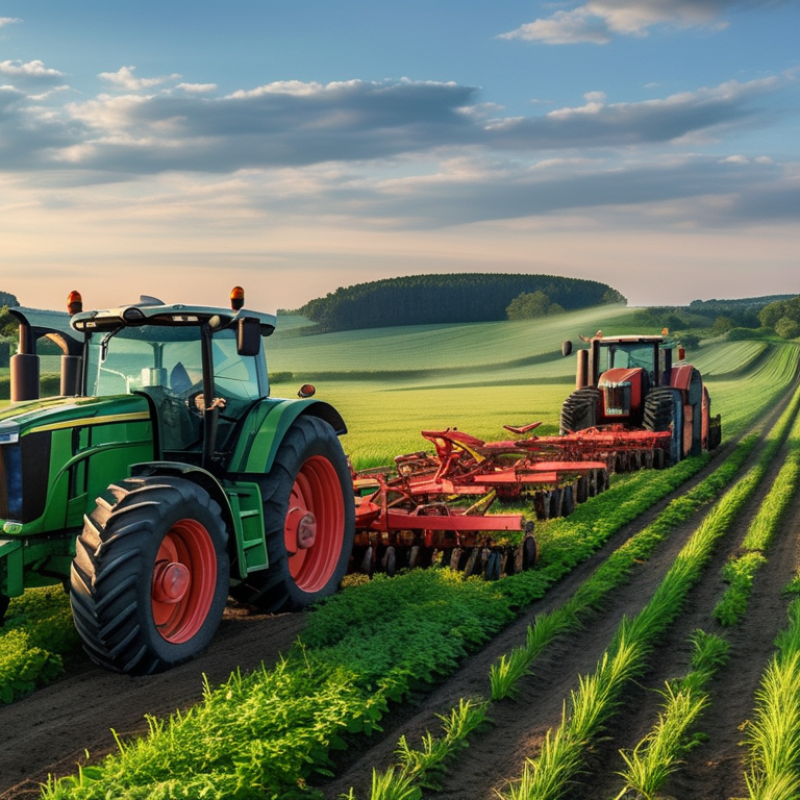
Essential Tips for Buying Agricultural Tractors Globally?

Understanding Different Types of Agricultural Tractors Available Globally

When considering the purchase of agricultural tractors, it's crucial to understand the various types available globally. Tractors can be broadly categorized into utility, row-crop, and specialty types. Utility tractors are versatile machines ideal for general farm work, capable of handling tasks from plowing to hauling. They usually have a low horsepower range, making them suitable for small farms or specific tasks.

Row-crop tractors are designed for farming activities where precise navigation is required, especially in rowed crops like corn and soybeans. These tractors come with adjustable wheel widths for efficiency in tight spaces. Specialty tractors, on the other hand, cater to specific tasks, such as vineyard or orchard work. They tend to be smaller and more agile, allowing farmers to navigate narrow rows effortlessly.

Choosing the right tractor depends on various factors, including the type of crops grown, the size of the farm, and the terrain. It’s essential to assess not only your immediate needs but also potential future requirements. A larger tractor may seem appealing, but it can be impractical in smaller fields. Think about maintenance costs as well. A reliable machine can save time, but high maintenance can burden your budget. Make sure to weigh your options carefully, keeping your unique circumstances in mind.

Assessing Your Specific Farming Needs Before Buying a Tractor

When considering a tractor purchase, understanding your specific farming needs is paramount. An assessment of your farm size, type of crops, and geographical conditions will steer your decision. According to a 2022 report by the International Food and Agriculture Organization, the right tractor can enhance productivity by up to 30%. This statistic underscores the importance of making informed choices.

Evaluate the tasks at hand. Are you plowing, tilling, or harvesting? Different tractors excel at different jobs. A versatile tractor might save time, yet it could be more expensive or less effective in specialized tasks. Many farmers also overlook the significance of fuel efficiency. A tractor model that consumes less fuel can lead to substantial savings over time, especially given that fuel costs continue to fluctuate.

Consider the terrain you'll operate on. Steep, rocky fields require specific features for optimal performance. Additionally, reflect on your machinery's lifespan. Not all tractors merit a long operational life. Some may require frequent repairs, leading to unplanned expenses. By knowing your farm's needs and potential limitations, you can navigate the vast array of options more effectively.

Important Specifications to Consider When Purchasing a Tractor

When purchasing an agricultural tractor, specific specifications matter greatly. One crucial factor is the tractor's horsepower. It determines the types of tasks you can handle, from tilling to hauling. Low-horsepower tractors can limit your options. Conversely, overly powerful tractors may be unnecessary, leading to wasted resources.

Another important specification is the engine type. Diesel engines are common due to their durability and efficiency. However, they may be more expensive to maintain. Gas engines are lighter and often cheaper at the outset. Think about your farming scale and choose accordingly.

Transmission type also influences performance. Gear-driven transmissions offer precision but require more skill to operate. Hydrostatic systems provide ease of use, especially for beginners. Additionally, consider your preferred implements. Compatibility with various attachments can enhance the tractor's versatility. This choice is key for maximizing productivity on your farm.

Essential Tips for Buying Agricultural Tractors Globally

This bar chart illustrates key specifications to consider when purchasing an agricultural tractor, including horsepower, weight, fuel efficiency, price, and maintenance cost. These parameters are vital to making an informed buying decision.

Evaluating Tractor Brands and Manufacturers for Reliability

When considering tractor brands, reliability is crucial. The agricultural sector heavily relies on machinery. According to the Agricultural Machinery Market Report 2023, over 70% of farmers globally prioritize durability in tractors. Farmers seek machines that withstand various conditions. A reliable tractor can significantly reduce maintenance costs over time.

Evaluating manufacturers is essential. Look for firms with a strong reputation in the industry. A reliable manufacturer invests in research and development. They often provide warranties and good customer service. Farmers should consult industry reports and user reviews. These resources can provide insights into long-term performance.

Reliability does not only stem from design. Availability of parts is equally important. A brand may produce high-quality machines, but if parts are hard to find, it can lead to frustration. Farmers must also reflect on past experiences. Sometimes, a well-known name might not meet expectations. Researching lesser-known brands may uncover hidden gems that offer exceptional value and reliability.

Essential Tips for Buying Agricultural Tractors Globally

Attribute Details
Horsepower Range 25 HP to 500 HP
Engine Type Diesel and Gasoline
Drive Type 2WD and 4WD Options
Transmission Types Manual, Automatic, Hydrostatic
Weight 800 kg to 12,000 kg
Warranty Period 1 to 5 years
Service Availability Local and Regional Dealerships
Parts Availability Readily Available for Major Models
Fuel Efficiency Varies by Model: 3-10 L/hr
User Reviews Rating 4.0 to 4.8 out of 5

Financing Options and Budget Considerations for Tractor Purchases

When considering financing options for purchasing agricultural tractors, understanding your budget is key. According to a report by the Food and Agriculture Organization, over 60% of farmers worldwide rely on loans or financing to acquire essential machinery. This reliance highlights the importance of being well-informed about available financial solutions.

Many lenders offer specialized loans for agricultural equipment, catering specifically to farmers’ needs. Interest rates may vary, but typically range between 4% and 7%. A down payment might be required, commonly around 20%. Farmers should evaluate their cash flow and consider projected yields to ensure they can handle repayment terms without straining operations.

It's worth noting that not all financing options may be suitable. Farmers need to scrutinize terms and conditions carefully. Hidden fees can accumulate, creating additional financial strain. Industry surveys indicate that 25% of borrowers regret their financing choice due to unforeseen costs. Therefore, seeking guidance from financial advisors or agricultural consultants could provide valuable insights and create a clearer path to making a financially sound decision.

Whether your solution requires a single pumping application or an expansive engineered system,
CheckPoint is committed to becoming your partner in excellence.