

How to Efficiently Pump Water for Global Procurement Needs?

Efficiently pumping water is a critical aspect of global procurement needs. Many industries rely on a steady supply of water. This is essential for processes ranging from agriculture to manufacturing. However, the methods used to pump water can vary widely in effectiveness. Understanding these methods is crucial for optimizing water supply chains.

In many regions, pumping water efficiently is a challenge. Aging infrastructure and increasing demand can hinder operations. Companies often struggle with outdated systems that waste time and resources. It is important to evaluate and upgrade these systems regularly. Moreover, the implementation of sustainable practices can help mitigate these issues.

Innovative technologies offer solutions to pump water more reliably. Automation and smart sensors can enhance efficiency. However, it's also vital to consider local conditions and resource availability. Continuous improvement and adaptation are necessary. Reflecting on past methods can unveil aspects that require change. This commitment to evolution is key in meeting global procurement demands effectively.
How to Efficiently Pump Water for Global Procurement Needs?

Understanding Global Water Procurement Needs

Water is a vital resource for communities worldwide. The need for efficient water procurement is more pressing than ever. Many regions face water scarcity, making it crucial to understand their specific requirements. Access to clean water influences health, agriculture, and economic stability.

Effective water procurement strategies can differ significantly from one place to another. For instance, large urban areas may prioritize infrastructure improvements, while rural areas might need sustainable sourcing methods. Additionally, seasonal changes affect water availability. Understanding these nuances is essential for developing tailored solutions.

Innovative approaches can also enhance water procurement efficiency. Rainwater harvesting is one method, offering a reliable supply during droughts. Local community involvement is crucial too. Engaging residents can lead to better water management and awareness. Yet, there are challenges in implementation. Balancing technology with natural methods requires ongoing evaluation and adjustment. Each community’s needs must be assessed continuously for sustained success.
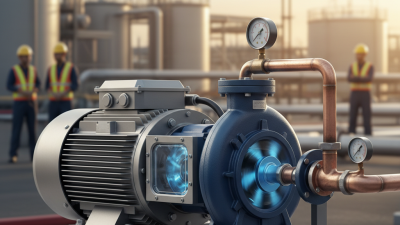
Types of Water Pumping Systems for Efficient Supply

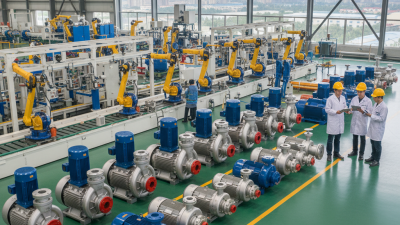
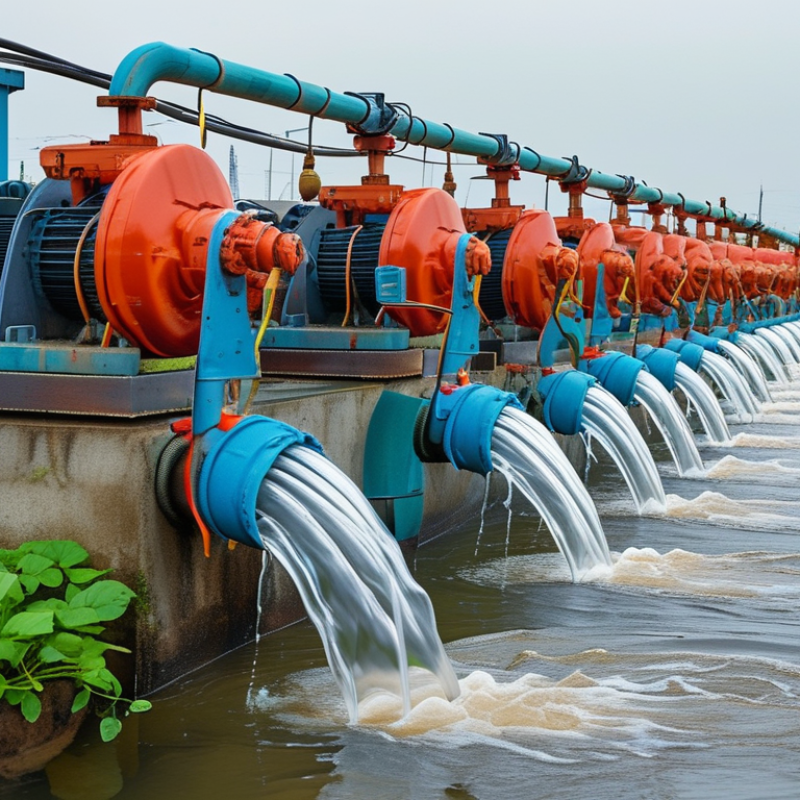
When discussing water pumping systems, it's important to recognize the various types available today. Centrifugal pumps are widely used for their efficiency and reliability. They work by converting rotational energy into fluid movement, which makes them ideal for transporting water over long distances. These pumps are often favored in many industrial applications.

Another notable type is the submersible pump. Designed to be fully submerged in the water, they handle high volumes and can pressurize water effectively. Their robust construction makes them suitable for both residential and agricultural uses. However, they may require more maintenance due to their exposure to water.

Lastly, diaphragm pumps offer a unique solution for specific needs. They can handle viscous fluids and slurries without clogging. These pumps are versatile but can be less efficient than centrifugal pumps in certain conditions. Each type has its pros and cons. Understanding these intricacies is crucial for optimizing water supply systems. Balancing efficiency and reliability often presents challenges, prompting continuous reflection on the best practices in water management.

Best Practices for Efficient Water Pumping in Procurement

Efficient water pumping is crucial for meeting global procurement needs. According to the World Bank, around 40% of the world's population lacks reliable access to clean water. This fact stresses the urgency for effective water management practices. Implementing modern water pumps can significantly enhance efficiency. Adaptive technology allows for real-time monitoring, optimizing energy consumption and reducing waste.

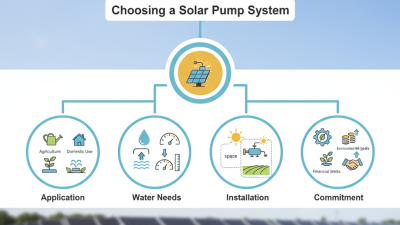
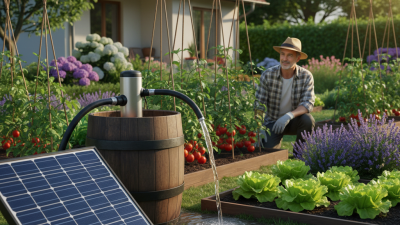
Best practices involve regular maintenance of pumping systems. Neglect can lead to a 30% drop in efficiency over time. Routine checks ensure that pumps are operating at peak levels. The integration of solar-powered pumps is another innovative approach. Reports show these systems can reduce operational costs by up to 80%. However, the initial investment can be daunting, and many organizations hesitate.

Furthermore, training personnel is essential. Well-informed staff can identify and troubleshoot issues more effectively. Employee engagement in maintenance practices yields better results. Yet, there remains a gap in knowledge in many regions. Bridging this gap requires ongoing education and support. These factors contribute to the overall unpredictability in water supply, impacting procurement efforts worldwide.

Technological Innovations in Water Pumping Solutions

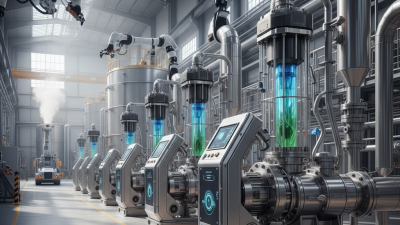
Innovative water pumping solutions are transforming the way industries approach global procurement needs. Advanced technologies are crucial in enhancing efficiency and sustainability. For instance, smart pumps equipped with IoT sensors can optimize flow rates and reduce energy consumption by up to 30%. This is significant, as water scarcity is becoming a pressing issue in many regions.

In a recent report by the International Water Association, it was noted that nearly 70% of the world's freshwater is used for agriculture. The need for efficient irrigation systems is urgent. Solar-powered pumps, while initially costly, can lower operational expenses dramatically. These pumps can operate independently of the grid, making them ideal for remote areas struggling with energy supply.

Challenges remain in adoption. Many stakeholders are hesitant to invest in new technologies, fearing high upfront costs. Training and maintenance also require attention. Without proper support, even advanced systems can underperform. This highlights the need for ongoing dialogue and education within the industry. As we move forward, it’s essential to consider both the benefits and the hurdles of integrating new pumping technologies into water procurement strategies.

Sustainability Considerations in Global Water Procurement

Water procurement is crucial for many industries. However, sustainability plays a significant role in this process. Efficient water pumping methods can reduce waste significantly. Utilizing renewable energy sources for pumping can enhance sustainability. Solar or wind energy can power water pumps, decreasing reliance on fossil fuels. Such practices lower carbon emissions and promote environmental balance.

Additionally, the choice of pumping technology impacts sustainability. Traditional pumps often consume excessive energy. In contrast, modern pumps designed for efficiency can minimize energy use. Strategies like rainwater harvesting also contribute to sustainable water procurement. Collecting rainwater can provide a supplemental supply, easing pressure on natural sources.

However, challenges remain. Implementing sustainable practices requires investment and education. Some regions may lack resources or knowledge. This gap needs addressing to ensure global water procurement meets sustainable standards. Without proper initiatives, we may repeat past mistakes. The path to sustainability in water procurement is not straightforward. Continuous reflection and adaptation are necessary for real progress.

Water Usage in Different Sectors for Global Procurement Needs

Whether your solution requires a single pumping application or an expansive engineered system,
CheckPoint is committed to becoming your partner in excellence.