



How to Effectively Pump Water for Your Home Garden?
In the pursuit of a flourishing home garden, understanding how to effectively pump water becomes essential. According to a recent industry report by the American Society of Agricultural and Biological Engineers, nearly 70% of home gardeners struggle with efficient water management. This not only hinders plant growth but also increases water costs. Notably, expert Robert Jones states, "A well-implemented pumping system can save not just water but also time and effort."
Timing and method play critical roles in optimizing water access. Many gardeners underestimate the importance of choosing the right pump water equipment. The market now offers various options tailored to different needs. These range from submersible pumps to solar-powered solutions. Each choice presents its benefits and challenges.
While technology aids in irrigation, mismanagement can lead to inefficiencies. Simple errors, like incorrect installation or sizing, can cause more harm than good. Gardeners must remain vigilant and adjust their systems as needed. The balance between convenience and effectiveness in how we pump water can define the success of any garden endeavor.
Choosing the Right Pump for Your Home Garden Needs
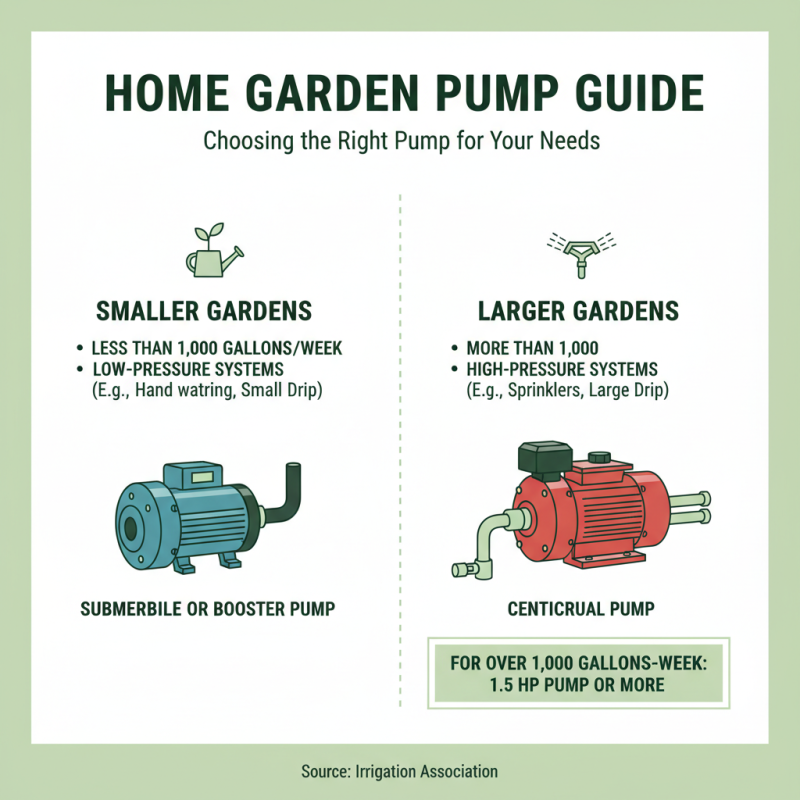
Choosing the right pump for your home garden needs can greatly influence the effectiveness of your watering routine. A suitable pump should match the size of your garden and water requirements. According to the Irrigation Association, gardens requiring over 1,000 gallons per week benefit from a pump with at least 1.5 horsepower. This ensures adequate water pressure for sprinklers and drip systems.
Consider the type of plants in your garden. Flowering plants usually need consistent moisture, while succulents prefer drier conditions. For instance, a submersible pump may work well for small ponds or flat landscapes, while a surface pump is better for larger gardens. Water flow rate is vital, and some pumps can deliver over 60 gallons per minute. However, too much pressure can lead to soil erosion.
Choosing the wrong pump can lead to wasted resources. Overusing water can affect the local ecosystem and contribute to drought conditions. A pump that is too powerful may cause significant runoff, disrupting your garden’s balance. It's essential to assess your garden and consult resources. Not all pumps fit every need. Take time to research, consider the specifics of your garden, and make adjustments when necessary.
Understanding Different Types of Water Pumps and Their Uses
When setting up a garden, understanding water pumps is crucial. Different types serve various purposes. Submersible pumps are often used to draw water from deep wells or ponds. These pumps can handle high volumes. Reports indicate that garden efficiency increases by up to 40% with proper water management.
Surface pumps, on the other hand, sit above the water source. They are ideal for garden irrigation systems. They pull water from shallow sources, like rain barrels. Their energy consumption is generally lower, which can help save on electricity bills. However, some homeowners may underestimate the needed flow rate. This can lead to insufficient watering.
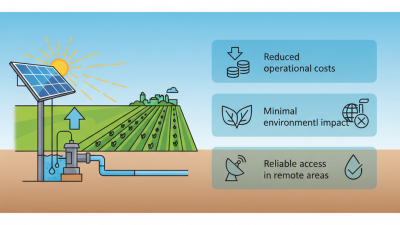
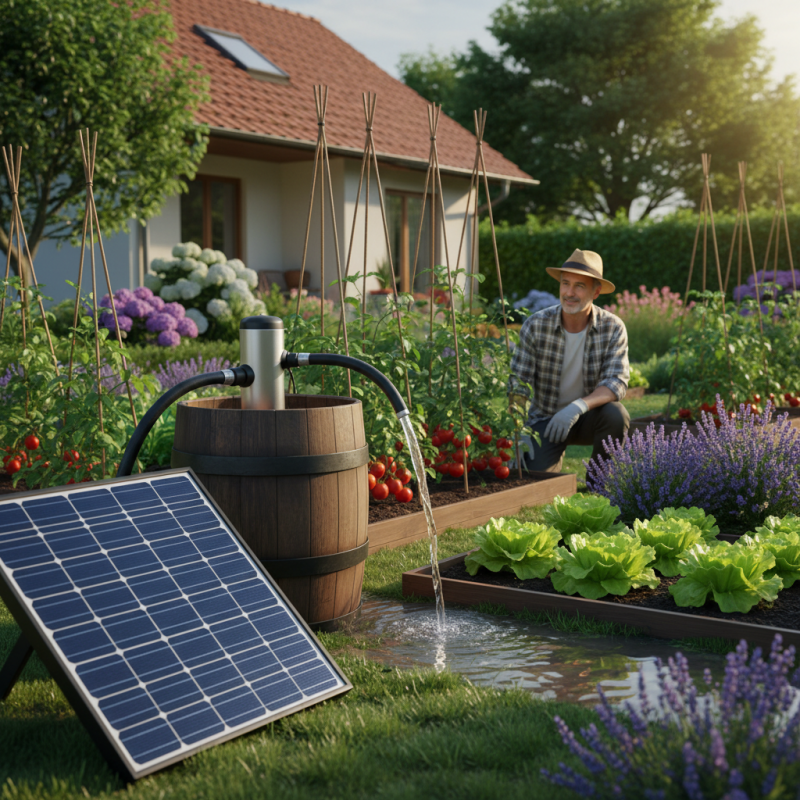
Solar-powered pumps are an environmentally friendly option. They can operate with minimal energy costs. Studies show that using renewable energy can cut operating costs by about 75%. Yet, many gardeners struggle with inconsistent sunlight. This variability impacts pump performance. Understanding these aspects aids in choosing the right pump, but it's not always clear-cut. Evaluating garden size and requirements is essential for success.
Setting Up Your Water Pump: Installation Steps Explained
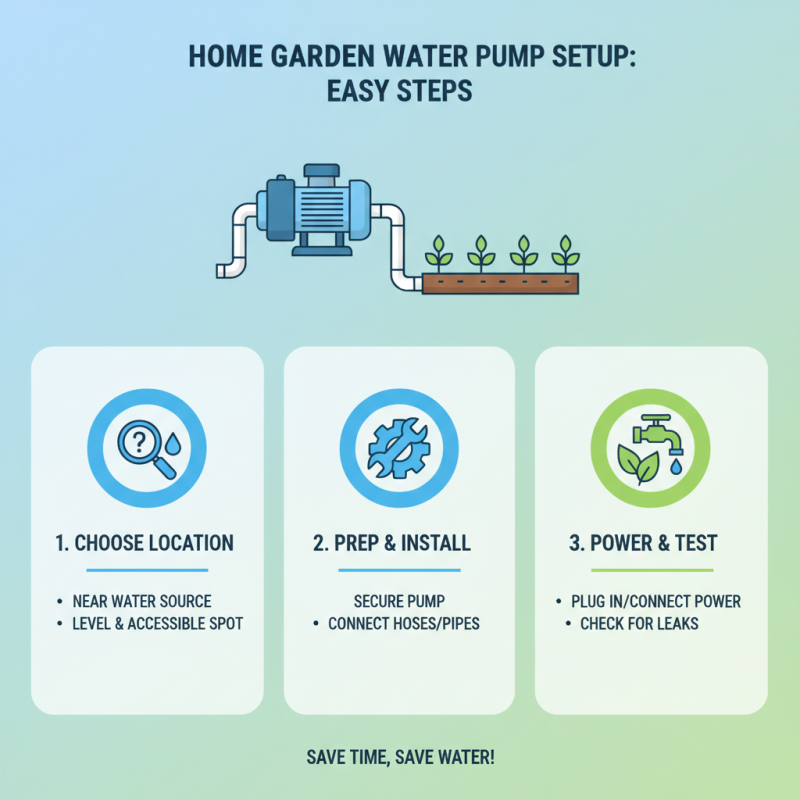
Installing a water pump for your home garden can be straightforward. Begin by choosing the right location. Find a spot close to your water source. Make sure it's level and easy to access. This will save you headaches later on.
Next, gather all necessary materials. You will need the pump, hoses, and connectors. Read the manual carefully. It often has specific requirements for installation. Remember, it's fine to ask for help if you're unsure. Sometimes, a second pair of hands can make the process smoother.
Tips: Measure all distances before cutting hoses. It's easier to adjust before making permanent cuts. Check for leaks once everything is set up. A tiny drip might indicate a bigger problem. Taking time to fix it will save you water and frustration. Don't rush this step; it’s crucial for your garden’s health.
Watering Techniques: Effective Strategies for Garden Irrigation
Watering your garden effectively requires understanding various techniques. Different plants have different needs. It's important to match your watering style to your garden's specific requirements.
Drip irrigation is a great option. It delivers water directly to the roots. This approach reduces evaporation. It's efficient for most plants. Installing a system may seem complex. However, once set up, it can save time and water.
Hand watering can be beneficial as well. It allows for direct attention to each plant. You might notice which areas need more or less water. Still, it can be inconsistent. Remember to monitor soil moisture. Overwatering is a common mistake.
Tips: Water in the early morning. This helps reduce evaporation. Consider using mulch around your plants. It retains moisture and suppresses weeds. Always adjust based on rainfall. Your garden’s health will reflect your effort.
Watering Techniques: Effective Strategies for Garden Irrigation
Maintenance Tips for Long-Lasting Pump Performance
Maintaining your water pump requires diligent attention to detail. Regular checks can prevent unexpected breakdowns. Start by inspecting the pump for leaks or unusual noises. These signs may indicate wear or improper functioning. Ensure that all connections are secure and that the hose is free from kinks. A well-maintained pump can operate efficiently for years.
Clean the pump regularly to keep it functioning optimally. Debris can clog filters and hinder performance. It’s essential to flush the system with clean water monthly. Forgot to do this last month? It might slow your pump down significantly. Additionally, consider draining the pump if you live in a region with freezing temperatures. Ice can cause severe damage.
Monitor the pump's performance over time. Are you noticing any irregular pressure? This could signal a deeper issue needing attention. Keeping a log of pump performance can help you identify patterns and potential problems. Reflect on any changes, whether minor or major. Maintenance can be easy, but sometimes we overlook simple tasks that are critical for longevity.
How to Effectively Pump Water for Your Home Garden? - Maintenance Tips for Long-Lasting Pump Performance
| Maintenance Tip | Frequency | Additional Comments |
|---|---|---|
| Clean the Filter | Monthly | Removes debris that can clog the pump. |
| Inspect Hoses | Bi-Weekly | Check for leaks and wear. |
| Check Electrical Connections | Every Season | Ensure all connections are secure to prevent outages. |
| Monitor Water Flow | Weekly | Indicators of possible pump issues or blockages. |
| Remove Sediment | Every 6 Months | Prevents sediment build-up inside the pump. |
Related Posts
-
How to Choose the Right Pressure Pumps for Maximum Efficiency in Your Applications
-
Top 10 Pressure Pumps for Ultimate Efficiency in 2023
-
Why a Solar Pump System is the Best Choice for Your Water Needs
-
Understanding the Role of Chemical Pumps in Enhancing Water Treatment Efficiency
-
Liquid Pump Innovations and Industry Trends Highlighted at 2025 China Import and Export Fair
-
How to Choose the Right Chemical Diaphragm Pump for Your Needs

Whether your solution requires a single pumping application or an expansive engineered system,
CheckPoint is committed to becoming your partner in excellence.