



What is Crankshaft Bearing and How Does it Work?
The crankshaft bearing is a crucial component in an engine. It allows the crankshaft to rotate smoothly while supporting its weight. This element plays a significant role in engine performance and longevity. Proper lubrication and alignment are essential for its functioning.
When the crankshaft turns, it creates forces that can cause wear and tear on the bearing. Understanding the mechanics of the crankshaft bearing is vital for anyone involved in automotive engineering. Poor maintenance can lead to catastrophic engine failures.
Many factors influence the effectiveness of crankshaft bearings. These include material quality, lubrication, and environmental conditions. Knowledge about these aspects ensures better engine health and efficiency. Investing time in learning about crankshaft bearings can save significant costs in repairs over time.
What is a Crankshaft Bearing?
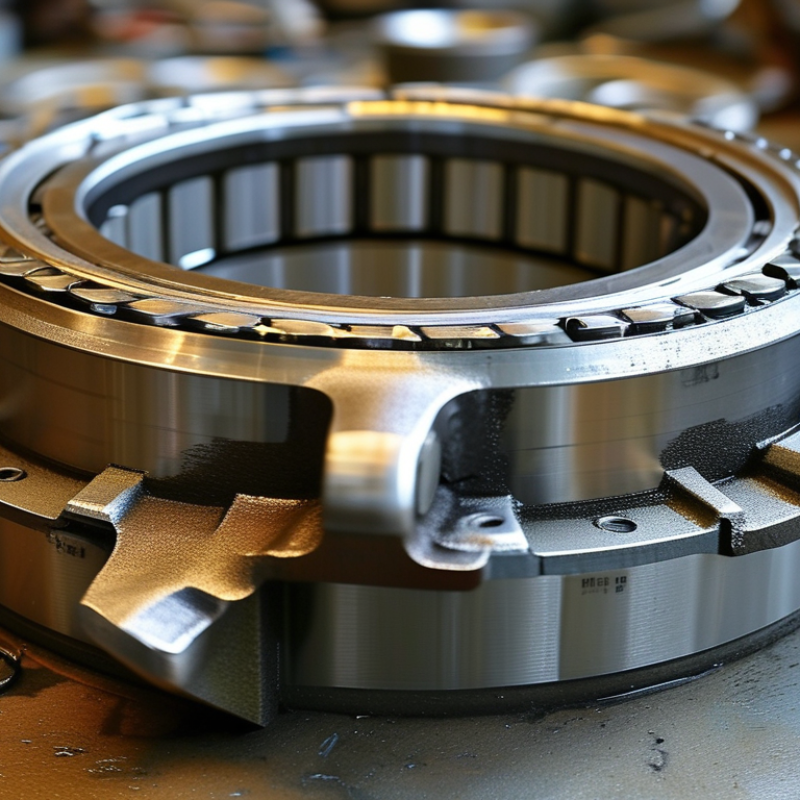
A crankshaft bearing is a critical component in an engine. It supports the crankshaft, allowing it to rotate smoothly within the engine block. These bearings reduce friction, which helps to prevent excessive wear. When an engine runs, the crankshaft converts the linear motion of the pistons into rotational motion. The bearings play a vital role in this process. They must withstand significant pressures and temperatures.
Crankshaft bearings are typically made from materials like steel or composite materials, which offer durability. The design of these bearings allows them to handle the torque and loads imposed during operation. Proper lubrication is essential for their performance. Insufficient lubrication can lead to catastrophic failure. Many factors influence the lifespan of crankshaft bearings, including engine design and operating conditions.
Even a tiny flaw in bearing installation can cause significant issues. Signs of wear may include unusual noises or vibration. Regular inspection is crucial for engine health. Mechanics often advise checking crankshaft bearings during routine maintenance. Understanding their function can help prevent costly repairs, ensuring your engine runs efficiently for years.

Components of a Crankshaft Bearing
Crankshaft bearings are crucial components in engines, supporting the crankshaft and allowing it to rotate smoothly. Their design typically consists of a bearing shell, which is made of a soft metal material that helps reduce friction. The bearing's inner surface is usually lined with a layer of bearing material, which can vary from aluminum alloys to bronze. This combination ensures that the crankshaft bears the load while minimizing wear and tear.
In addition to the bearing shells, other components play vital roles. These include the oil grooves, which facilitate lubrication by directing oil to critical contact points. The caps hold the bearing in position, securing it to the engine block for stability. Engine oil serves as a lubricant, crucial for reducing heat. A study by the Society of Automotive Engineers found that proper lubrication can extend bearing life by up to 50%.
Regular maintenance is essential. Check oil levels frequently. Use the right oil type for your engine. A lack of lubrication can lead to severe damage. Over time, crankshaft bearings may wear out, leading to engine noise and performance decline. Some signs of wear include knocking sounds and vibration. Identifying these conditions early can save costly repairs. Proper installation and alignment are vital. Misalignment can cause premature failure. Therefore, meticulous attention during installation is key to ensuring optimal performance and longevity of crankshaft bearings.
How Crankshaft Bearings Function
Crankshaft bearings play a crucial role in engine performance. They provide support for the crankshaft, allowing it to rotate smoothly. These bearings reduce friction between the moving parts, ensuring efficient operation. When an engine runs, the crankshaft transforms linear motion into rotational motion, a fundamental process for power generation.
The functioning of crankshaft bearings relies on a thin film of oil. This oil film separates the crankshaft from the bearings, preventing direct metal-to-metal contact. As the crankshaft spins, oil is delivered to the bearings through oil passages. This lubrication is vital; without it, bearings can overheat and wear down quickly. Insufficient lubrication can lead to severe engine damage.
Over time, crankshaft bearings can wear out or become damaged. Wear might go unnoticed until it starts affecting engine performance. Strange noises or vibrations can indicate bearing issues. Regular maintenance checks can help identify and address these problems early. Understanding how these components work is essential for anyone interested in engine mechanics. Proper care can extend the life of an engine significantly.
What is Crankshaft Bearing and How Does it Work? - How Crankshaft Bearings Function
| Dimension | Description |
|---|---|
| Function | Supports the crankshaft and allows it to rotate smoothly. |
| Material | Typically made from bearings made of aluminum, copper, or steel. |
| Types | Main bearings, connecting rod bearings, and thrust bearings. |
| Lubrication | Requires proper lubrication to minimize friction and wear. |
| Maintenance | Regular oil changes and inspections are necessary for longevity. |
| Signs of Wear | Increased engine noise, oil pressure drop, and vibrations. |
Common Issues with Crankshaft Bearings
Crankshaft bearings play a crucial role in an engine's performance. They support the crankshaft, allowing it to rotate smoothly. Despite their importance, several common issues can occur. One significant issue is wear and tear due to friction. Over time, this can lead to a decrease in performance and engine knocking.
Another prevalent problem is oil starvation. Insufficient lubrication can cause overheating and damage. A study from the Society of Automotive Engineers reveals that about 40% of engine failures are linked to bearing problems. Identifying early signs of failure is essential for preventing more severe issues down the line.
Additionally, contaminants can enter the bearing, leading to premature wear. Regular oil changes and proper maintenance can help mitigate this risk. Many vehicle owners overlook the importance of monitoring bearing health. Understanding the signs of wear, such as unusual noises or vibrations, is critical. Addressing these issues promptly can save time and money in repairs. Recognizing and understanding these problems ensures better engine longevity.
Common Issues with Crankshaft Bearings
Maintenance and Replacement of Crankshaft Bearings
Crankshaft bearings play a vital role in the engine's operation. They help reduce friction between the crankshaft and the engine block. Without proper maintenance, these bearings can wear out, leading to costly repairs. Regular inspection is crucial for detecting early signs of wear. Mechanics often look for unusual noises or metal shavings in the oil to assess bearing condition.
When it comes to replacement, timing is everything. Replacing crankshaft bearings is not a simple task. It requires precision. The crankshaft must be removed, and the engine disassembled. This process can be labor-intensive. It's vital to ensure that the new bearings are installed correctly to avoid future issues. Experienced mechanics will use tools to measure any wear on the crankshaft itself. Always keep in mind that using outdated techniques can lead to failure.
Ignoring crankshaft bearing maintenance can be detrimental. Some may overlook the signs of wear, thinking they will go away. Regular oil changes and monitoring fluid levels can help prevent problems. Investing time in maintenance can extend the lifespan of your engine significantly. It is worth reflecting on how neglect can lead to serious engine damage.
Article Source:
- Cummins K19 Main Bearing 2. Cummins K19 Crankshaft Bearing 3. K19 Crankshaft Main Bearing 4. Cummins K19 Engine Bearing 5. 205140 Cummins Bearing
- Cummins Connecting Rod Bearing 2. Connecting Rod Bearing 3. Cummins Engine Parts 4. 6CT Engine Parts 5. Diesel Engine Connecting Rod Bearing 6. Heavy Equipment Engine Bearing

Whether your solution requires a single pumping application or an expansive engineered system,
CheckPoint is committed to becoming your partner in excellence.


