



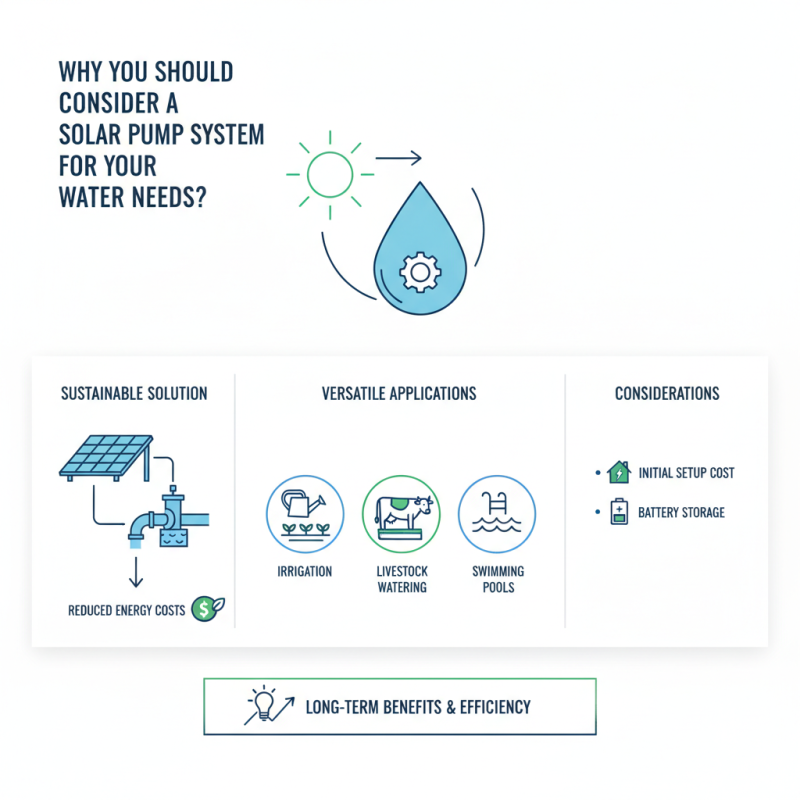
Why You Should Consider a Solar Pump System for Your Water Needs?
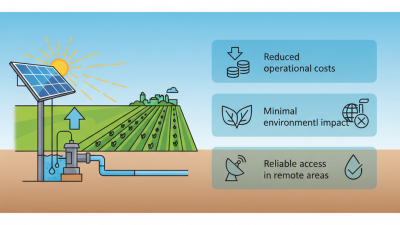
In recent years, the solar pump system has gained popularity for various water needs. With the efficiency of solar energy, these systems offer a sustainable solution. They harness sunlight to pump water, reducing dependency on traditional power sources. This eco-friendly option can significantly lower energy costs.
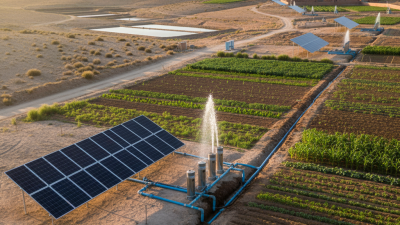
Solar pump systems are versatile. They can be used for irrigation, livestock watering, and even swimming pools. Many farmers have successfully integrated them into their operations. However, challenges remain. Initial setup costs can be a barrier for some. Additionally, battery storage may be required for consistent power.
Considering the long-term benefits, a solar pump system can prove worthwhile. It's essential to evaluate specific needs carefully. While they provide a sustainable approach, not every installation is perfect. There is always room for improvement in efficiency and cost-effectiveness.
Benefits of Using a Solar Pump System for Water Supply
Solar pump systems offer numerous benefits for water supply, making them an excellent choice for various applications. These systems harness sunlight to generate electricity, powering pumps without relying on external electricity sources. According to the International Energy Agency, solar energy is set to become the largest source of electricity by 2025, which signifies a growing trend toward renewable energy solutions.
One significant advantage of solar pumps is their cost-effectiveness. A recent study from the World Bank indicated that solar pump systems can reduce water pumping costs by up to 80% compared to traditional diesel pumps. This is particularly beneficial for farmers who rely on irrigation. The reduction in fuel expenses directly impacts their bottom line. Furthermore, solar pumps have low maintenance costs, making them a long-term investment.
However, there are challenges to consider. The initial installation costs can be high, and not all locations receive ample sunlight year-round, which may reduce efficiency. Electricity from solar systems fluctuates with weather conditions, potentially leading to inadequate water supply during cloudy days. Despite these challenges, the increasing sustainability and financial benefits make solar pump systems an appealing option for water supply needs in many regions.
How Solar Pump Systems Work and Their Components
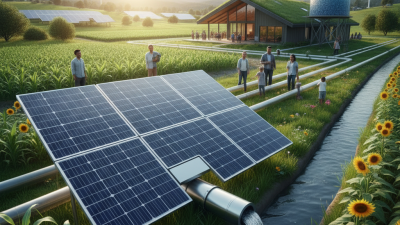
Solar pump systems are gaining popularity for their efficiency and sustainability. These systems utilize solar panels to harness sunlight. The energy generated powers a pump that moves water from one location to another. This process is especially useful in remote areas where electricity is not readily available. The components of a solar pump system typically include solar panels, a pump, and a water storage tank.
The solar panels convert sunlight into electricity. This electricity then powers a DC or AC pump. The choice of pump depends on various factors, such as the water source and required pressure. A controller is often included to manage the energy flow and optimize performance. Furthermore, batteries can be added for energy storage, ensuring water is available even on cloudy days. However, the initial installation cost can be high, which may discourage some users.
Despite these challenges, solar pump systems offer long-term savings. They reduce dependence on fossil fuels and lower operating costs. Water quality can also be improved, thanks to regular circulation. However, maintenance is key. Dust on solar panels can hinder performance. Users may need to clean panels frequently, which can be a hassle. Overall, while solar pump systems present some obstacles, their benefits are hard to ignore.
Factors to Consider When Choosing a Solar Pump System
When choosing a solar pump system, several important factors come into play. First, assess your water needs. Understand how much water you require daily. This helps determine the pump's capacity. Different sizes are available. Make sure you select one that matches your demand.
Next, consider the installation location. The amount of sunlight affects performance. Areas with consistent sun exposure yield better efficiency. Think about any shade from trees or buildings. An installed solar pump needs direct sunlight to work effectively. Additionally, check local regulations. Some regions have specific requirements.
Don’t ignore the technology behind the pumps. Solar pumps vary in design and control systems. Look for systems with easy maintenance. Simple is often better. Evaluate your budget as well. While cheaper options exist, they may not last long. High investment can lead to better long-term savings. Take your time before making a decision. Rushing can lead to potential issues later on.
Installation and Maintenance Tips for Solar Pump Systems
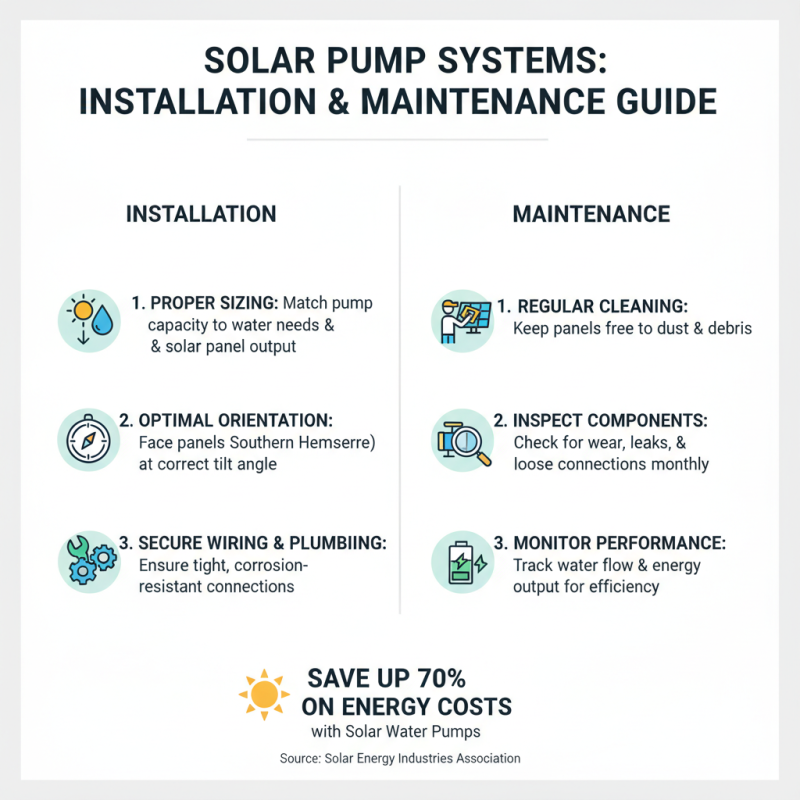
Installing a solar pump system can greatly benefit your water needs. However, it requires careful planning and maintenance. Solar pumps utilize renewable energy, making them a sustainable choice. According to the Solar Energy Industries Association, solar water pumps can reduce energy costs by up to 70%. Yet, not all installations go smoothly. Potential issues, such as improper sizing or orientation, can impact efficiency.
Maintenance is crucial for maximizing the system's lifespan. Regular checks should focus on the solar panels and connections. Dust accumulation can significantly reduce performance, so cleaning panels every few months is vital. According to a report by the World Bank, poorly maintained systems can lose 20-30% in efficiency. Keeping the pump area clear of debris also helps.
While the benefits are clear, some challenges persist. Users may face difficulties in locating skilled technicians for repairs. Understanding the technology can be daunting for many. A lack of proper training may lead to ineffective troubleshooting. Investing time in learning about solar pump systems can enhance user experience.
Cost Analysis: Solar Pump Systems vs. Traditional Water Pumps
The cost analysis of solar pump systems versus traditional water pumps can reveal significant savings. Many reports show that solar pumps can reduce energy expenses by up to 80% compared to conventional electricity-powered pumps. This reduction is crucial for regions with high energy costs. For example, a rural farm might spend $500 monthly on energy costs for a traditional pump. Switching to a solar system could lower these costs to around $100 or even less.
Moreover, installation costs should be factored in. Traditional pumps require extensive setup and maintenance. According to industry reports, the average installation cost for a solar pump system ranges from $1,500 to $3,000. In contrast, traditional systems can escalate to over $5,000 due to wiring and ongoing service fees. However, one must consider the upfront investment in solar technology, which can be daunting for some.
Despite the long-term savings, solar pumps face challenges. For instance, solar systems depend heavily on sunshine. In cloudy or rainy seasons, performance may dip. Additionally, potential buyers should be aware of the technology's lifespan and efficiency. Ensuring compatibility with existing systems can also complicate installation plans. These factors warrant a thorough analysis before making a decision.
Related Posts
-
2025 Top 5 Solar Pump Systems: Revolutionizing Water Solutions for Sustainable Living
-
Why a Solar Pump System is the Best Choice for Your Water Needs
-
Top 10 Solar Pump Systems You Need to Know About?
-
5 Best Solar Pumps for Efficient Water Management in Agriculture
-
How to Maximize Efficiency in Your Solar Pump System with Latest Technology Innovations
-
Why Chemical Pumps Are Essential for Efficient Water Treatment Solutions

Whether your solution requires a single pumping application or an expansive engineered system,
CheckPoint is committed to becoming your partner in excellence.