



What is a CNC Lathe Machine and How Does It Work?
A Cnc Lathe Machine is a powerful tool used in modern manufacturing. It transforms raw materials into precise parts by rotating them against cutting tools. This process allows for high accuracy and repeatability. CNC stands for Computer Numerical Control, which means the machine can be programmed for various tasks.
Understanding how a CNC lathe machine works is crucial for anyone in the industry. It combines traditional techniques with advanced technology. The machine can produce complex shapes, making it essential for various applications. However, operating a CNC lathe requires skill and practice. Mistakes can lead to wasted materials and time.
In a world where precision matters, the CNC lathe machine stands out. It revolutionizes how parts are produced. Yet, the operator's expertise plays a significant role in its success. The balance between machine capability and human skill is vital. This interplay can lead to both challenges and breakthroughs in manufacturing processes.
What is a CNC Lathe Machine?
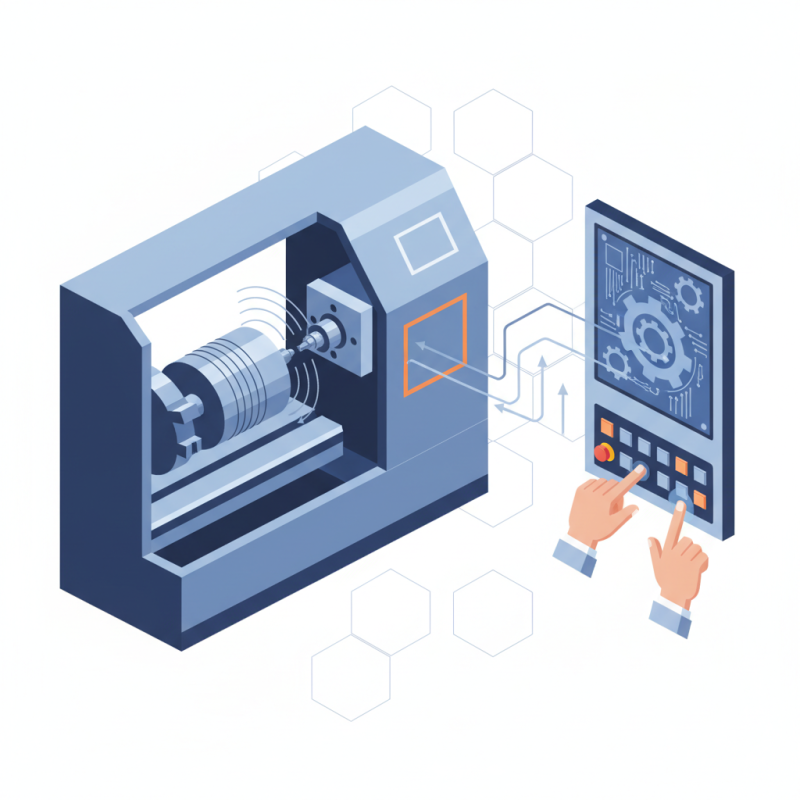
A CNC lathe machine is a vital tool in modern manufacturing. It is designed to shape materials with precision. This equipment uses computer numerical control to automate the machining process. The CNC lathe spins the workpiece while a cutting tool removes material. It can create complex shapes with high accuracy.
In recent studies, the CNC machine tools market has shown significant growth. According to a report by Research and Markets, it is expected to reach $100 billion by 2025. This reflects increased demand for custom-made components in various industries. The automotive and aerospace sectors heavily rely on CNC lathe machines. They require components that meet strict standards.
Despite the advantages, there are challenges with CNC lathes. Operators must be skilled in programming and machine setup. Improper use can lead to waste and increased costs. A single error in programming can ruin a batch of parts. Continuous training is necessary to optimize the use of this technology. Many companies struggle to keep their workforce updated, which can hinder production efficiency.
What is a CNC Lathe Machine and How Does It Work?
| Feature | Description |
|---|---|
| Definition | A CNC lathe machine is a computer-controlled machine tool used to remove material from a rotating workpiece to create cylindrical shapes. |
| Components | Main components include the spindle, tailstock, tool holder, and control panel. |
| Operation Principle | The CNC lathe operates by rotating the workpiece while a cutting tool moves along multiple axes to shape the material. |
| Materials Used | Common materials include metals (steel, aluminum), plastics, and wood. |
| Applications | Used in manufacturing parts for automotive, aerospace, and medical industries. |
| Advantages | High precision, consistent quality, reduced labor costs, and flexibility in design. |
| Control Software | CNC lathe machines use specialized software like G-code for programming the operations. |
| Maintenance | Regular maintenance includes lubrication, inspections, and software updates to ensure optimal performance. |

History and Evolution of CNC Lathe Technology
CNC lathe technology has roots tracing back to the late 18th century. The first lathe machine was developed during the Industrial Revolution. It revolutionized manufacturing by allowing for precise, repeatable operations. The CNC lathe emerged in the 1950s, enabled by advancements in computer technology. This shift marked a significant leap from manual to automated machining.
Initially, operators relied heavily on their skills to control machines. However, as CNC technology progressed, it took on a life of its own. Data from industry reports suggests that CNC lathes increased production efficiency by over 30%. This efficiency comes from reduced human error and increased speed. Despite this, transitioning to CNC systems often requires extensive training. Many operators face challenges in mastering programming.
Today, CNC lathes can create complex geometries with unmatched precision. Industry studies show that up to 25% of machine time can still be wasted due to programming errors. This highlights the need for ongoing training and adaptation. While CNC technology continues to evolve, the human element remains crucial. Some operators still struggle with integrating new software and workflows. These issues reflect both the promise and challenges of CNC lathe technology in modern manufacturing.
Key Components of a CNC Lathe Machine
A CNC lathe machine is a sophisticated tool used in manufacturing. Its efficiency lies in several key components that work in harmony. The main element is the spindle. It holds the workpiece in place during operation. Spindles can rotate at varying speeds, often exceeding 5000 RPM. This flexibility allows for different materials and shapes to be manipulated.
Another crucial component is the tool holder. It securely holds cutting tools and allows for quick changes between them. According to industry research, a well-maintained tool holder can improve precision and reduce production time by nearly 30%. Alongside the tool holder, the X and Z-axis movement systems enable precise movement of the cutting tools. These axes allow for intricate designs and exact specifications, crucial for today’s demanding industries.
However, one must consider the complexities of these machines. With such advanced technology comes a steep learning curve. Operators need training to maximize the machine's potential. Misalignment or improper tool setup can lead to errors, undermining the advantages of using CNC lathes. Regular maintenance checks are necessary, yet often overlooked. These factors can impact productivity and output quality.
The Working Process of a CNC Lathe Machine
CNC lathe machines are essential tools in modern manufacturing. They transform raw materials into precise components through automated processes. The working process involves multiple steps. First, the material is secured on a spindle. This spindle rotates the material at high speeds. Next, the cutting tool, controlled by a computer, moves along the material. It can shape, drill, or hollow out the piece as per programmed specifications.
According to a report by MarketsandMarkets, the CNC machine market is expected to reach $117 billion by 2026. This growth is due to the rising demand for precision-engineered products. However, while CNC operations enable complexity, they are not foolproof. Operators must remain vigilant. Calibration issues or software errors can lead to defects. Regular maintenance is critical for ensuring optimal performance.
Tips: Regularly check your machine’s calibration. Small deviations can result in larger errors. Maintain a clean workspace; debris can affect machine operation and safety. Ensure operators are well-trained. Misunderstandings can cause costly mistakes. Staying updated with technological advances is vital for competitive edge.
Applications of CNC Lathe Machines in Various Industries
CNC lathe machines play a crucial role across different industries. Their ability to produce precise cylindrical parts makes them invaluable. The automotive sector uses CNC lathes to create components like shafts and pulleys. These parts require accuracy to ensure proper vehicle performance. Manufacturers often rely on CNC technology for repeatability in production.
In the aerospace industry, CNC lathes are essential for crafting lightweight but sturdy components. Fuel nozzles and brackets must withstand extreme conditions. Again, precision is key. Mistakes can lead to safety issues and high costs. This can create pressure for operators to maintain accuracy consistently.
However, despite their advantages, CNC lathes can present challenges. Programming errors can lead to defects in the final product. Operators must be skilled and attentive. Additionally, material wastage can occur if setups are not optimized. Companies should invest in training and refining processes to improve efficiency. These areas are worth evaluating for better outcomes.
Article Source:

Whether your solution requires a single pumping application or an expansive engineered system,
CheckPoint is committed to becoming your partner in excellence.


