How to Choose Waterjet Cutting Machinery for Your Projects?
waterjet cutting machinery has gained prominence in various industries due to its versatility and precision. According to a report by MarketsandMarkets, the global waterjet cutting market is expected to reach $2.71 billion by 2025. This growth highlights the increasing adoption of such advanced technologies across multiple sectors, including aerospace, automotive, and manufacturing.
Choosing the right waterjet cutting machinery for your projects requires careful consideration of several factors. These factors include the type of materials being cut, the required thickness, and the desired finish. While many machines offer robust capabilities, not all are suited for every application. For instance, an industrial-grade waterjet may excel in heavy-duty tasks but could be overkill for more delicate jobs.
Moreover, some waterjet systems can handle a wider variety of materials than others. Reflect on your specific needs and project requirements. Evaluate the trade-offs between price and performance. Understanding these dynamics is essential to make a well-informed choice. When investing in waterjet cutting machinery, it is beneficial to align your decision with your long-term operational goals.
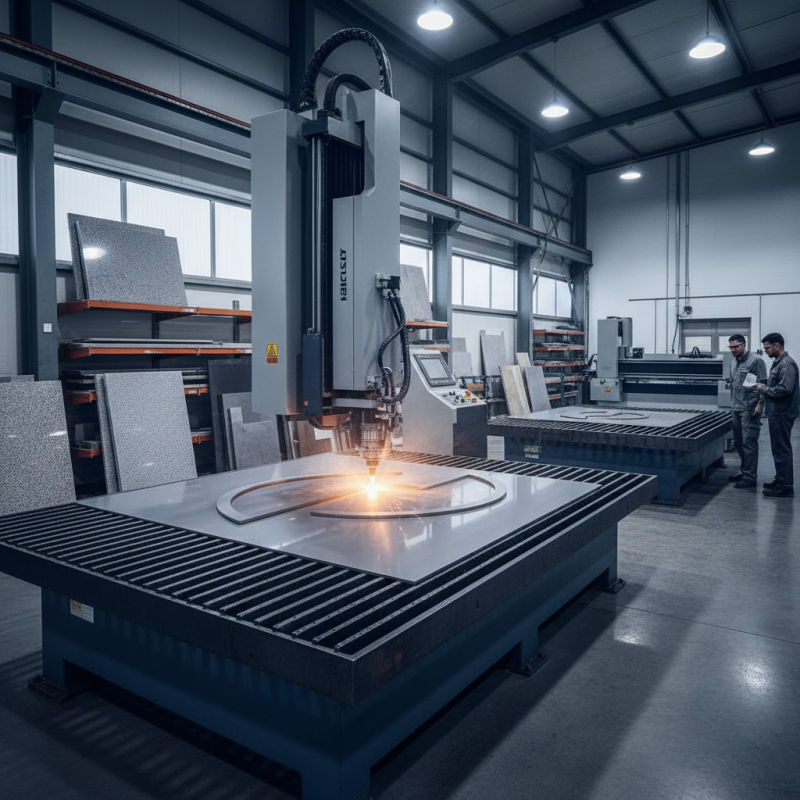
Understanding the Basics of Waterjet Cutting Technology
Waterjet cutting technology uses high-pressure water to cut materials. This method is versatile and environmentally friendly. It can handle various materials, including metals, glass, and stone. Industry reports indicate that waterjet cutting accounts for about 20% of the global cutting market. This illustrates its growing importance in manufacturing.
When choosing waterjet cutting machinery, consider key factors. The material thickness and type are crucial. A machine suited for metals may not perform well on soft materials like rubber. Lean towards systems that offer adjustable pressure settings. This feature can enhance the versatility of your projects.
Tip: Evaluate the total cost of ownership. Sometimes, cheaper machines may require more maintenance and offer less precision. Always look for reliable performance across different materials.
Another consideration is the machine's cutting speed. Slower machines may save energy but can hinder production efficiency. Reports show that faster machines can cut production time by up to 30%.
Tip: Assess your project needs and future growth. Investing wisely now can save costs later. Remember that not all machines are created equal. Analyze the features that align with your operational goals. This helps in making an informed decision.
Evaluating Different Types of Waterjet Cutting Systems
When evaluating different types of waterjet cutting systems, consider the material you intend to cut. Waterjet cutting is versatile. It can handle metals, glass, and even composites. Each material reacts differently to waterjet technology. Thicker materials may require high-pressure systems.
Tips: Always test the capabilities. A small piece can provide insight into performance. It's essential to balance power and precision. A powerful waterjet is not always the best choice for delicate tasks.
Another factor to ponder is the system’s automation level. Fully automated systems reduce manual labor. Yet, they can be costly. Manual options provide flexibility but require skilled operators. The learning curve is steep but worthwhile.
Tips: Consider your team's expertise. Investing in training can maximize your system's potential. Regular maintenance is also crucial. Neglect can lead to inefficient operation and costly repairs.
Waterjet Cutting Machinery Comparison
Assessing Operational Costs and Budget Considerations
When selecting waterjet cutting machinery, understanding operational costs is crucial. Energy consumption is a significant factor. Waterjet machines can consume a vast amount of water and power. The cost of maintaining these machines can also add up. Regular servicing and replacement parts are essential for efficient operation.
Budget considerations are another important aspect. Determine your total budget before making a purchase. Include initial costs and long-term expenses like maintenance. Don't forget about training for operators. Experienced operators can maximize efficiency, reducing waste and costs over time.
Inconsistent performance can lead to unexpected expenses. Investing in high-quality machinery may seem costly upfront but can save money in the long run. Sometimes budget constraints force difficult decisions. It’s essential to balance quality with affordability. Every project has unique requirements, and sometimes compromises may be necessary.
Identifying Material Compatibility and Project Requirements
When selecting waterjet cutting machinery, it’s crucial to consider material compatibility. Different materials react uniquely under high-pressure water jets. For example, metal alloys often require more power to achieve precise cuts. A report from the International Waterjet Association states that the thickness and type of metal can significantly impact the efficiency of the cutting process. Using the wrong machinery can lead to suboptimal outcomes or even equipment damage.
Project requirements also play a vital role in machinery selection. Each project may have specific needs. Consideration of factors like desired cut quality, tolerance levels, and production speed is essential. A study indicated that 70% of project delays arise from improper equipment choices. Understanding these requirements helps in making informed decisions. Regular evaluations and consultations can mitigate risks and improve the overall success of projects.
In addition, operators should reflect on past project outcomes. Analyzing previous selections can uncover patterns in material compatibility and performance. Continuous learning from both successes and limitations cultivates better practices. Striking a balance between machinery capabilities and project demands is a complex but important task. Each decision shapes the results, influencing future endeavors.
How to Choose Waterjet Cutting Machinery for Your Projects?
| Material Type | Material Thickness (inches) | Cutting Speed (inches/min) | Water Pressure (psi) | Recommended Machine Type |
| Aluminum | 0.25 - 1.00 | 30 - 80 | 40,000 - 60,000 | Mid-range Waterjet |
| Stainless Steel | 0.25 - 1.50 | 20 - 60 | 55,000 - 75,000 | High-pressure Waterjet |
| Glass | 0.125 - 0.50 | 40 - 90 | 30,000 - 55,000 | Precision Waterjet |
| Stone | 0.50 - 2.00 | 10 - 40 | 45,000 - 65,000 | Heavy-duty Waterjet |
| Plastic | 0.10 - 1.00 | 30 - 70 | 30,000 - 50,000 | Versatile Waterjet |
Considering Maintenance and Support for Long-Term Use
Maintenance and support are crucial when choosing waterjet cutting machinery. The long-term performance of your equipment depends heavily on how well you maintain it. Regular upkeep will ensure that your machinery runs efficiently. Failure to do so can lead to unexpected downtime and costly repairs.
Tips: Create a maintenance schedule. This includes routine checks for wear and tear. Inspect hoses and pumps regularly. A good practice is to document every maintenance action. This helps spot patterns in issues and predicts future needs. It’s also important to choose machinery that has available support resources. Manufacturer support can make a big difference in troubleshooting.
Don’t overlook the importance of spare parts. Having easy access to components will save time and money. Consider the availability of local service technicians. You may need help on-site for complex repairs. Research whether the machinery vendor offers training for personnel. This ensures your staff is equipped to handle daily operations. Regular training can prevent user errors and enhance efficiency.