

How to Choose the Right Motor Pump for Your Needs?

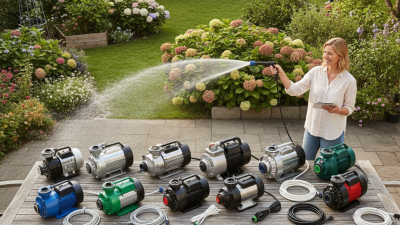
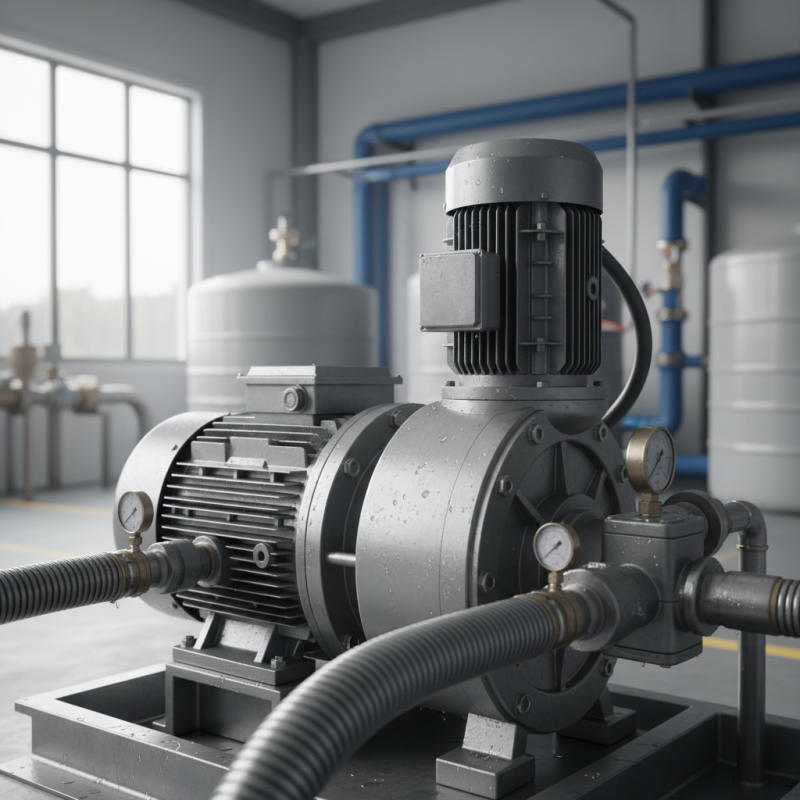
Selecting the right motor pump is crucial for meeting specific operational needs. A motor pump can significantly impact efficiency and performance in various applications. From residential water systems to industrial processes, making the right choice is essential.

Understanding the types of motor pumps available is the first step. Each type serves a unique purpose and comes with distinct features. You might feel overwhelmed by options. Yet, knowing your requirements can help narrow your choices. Consider the pump's flow rate and pressure capabilities. These factors are critical in ensuring that the pump meets your operational demands.

Don't overlook the importance of reliability. A quality motor pump should function efficiently over time. However, cheaper options may lead to frequent breakdowns. Think about long-term costs versus initial savings. Investing in a reputable motor pump brand can offer peace of mind. Ultimately, taking the time to evaluate your options can lead to better performance and reduced frustration.
How to Choose the Right Motor Pump for Your Needs?

Understanding Your Pumping Requirements

How to Choose the Right Motor Pump for Your Needs?

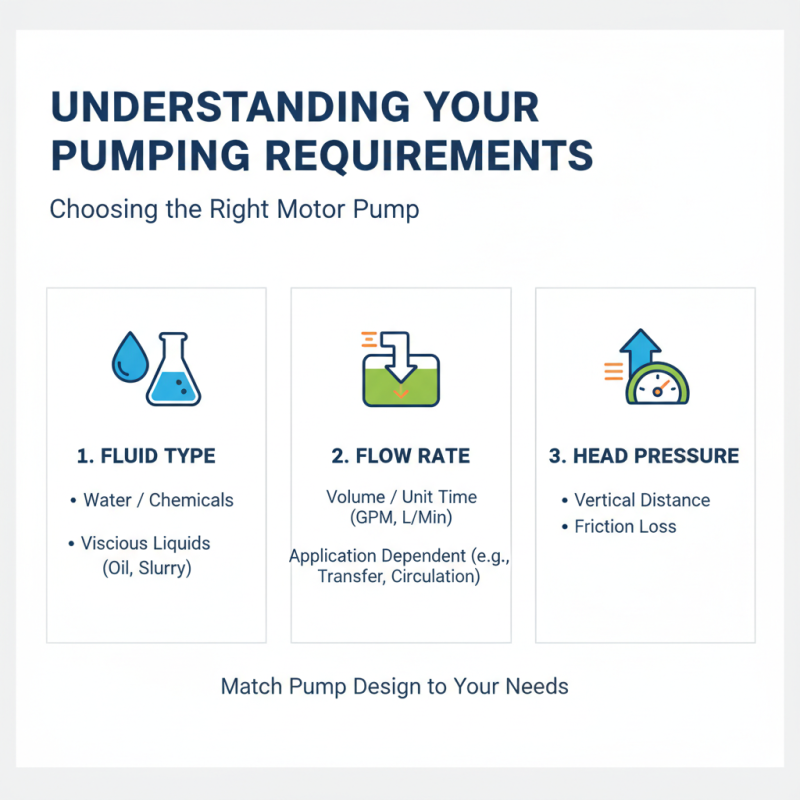
Choosing the right motor pump starts with understanding your specific pumping requirements. You need to consider several factors, such as the fluid type, flow rate, and head pressure. Different applications demand different pump designs. For example, if you're transferring water, the requirements will differ compared to handling viscous liquids. Assessing these factors helps in aligning your choice with your needs.

Tips: Identify the fluid characteristics early. This avoids costly mistakes. For instance, abrasive fluids might require more durable materials. Moreover, estimate the required flow rate and pressure. This can significantly narrow down your options for a motor pump.

Additionally, think about the environment where the pump will operate. Factors like temperature and potential exposure to chemicals matter. Not all pumps handle diverse conditions well. Reflect on these conditions to ensure longevity and efficiency. Regular maintenance is essential too. Skipping it can lead to operational failures and increased costs.
Types of Motor Pumps and Their Applications

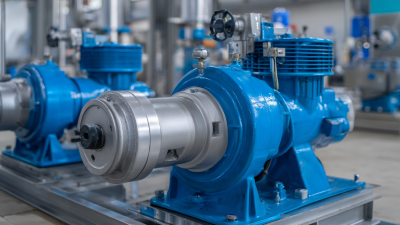
When selecting a motor pump, understanding the types available is crucial. Centrifugal pumps are widely used for their ability to handle large volumes of fluids. They excel in applications such as water supply, irrigation, and HVAC systems. According to a recent industry report, centrifugal pumps constitute nearly 80% of the global pump market, highlighting their popularity.

Positive displacement pumps, on the other hand, are ideal for precise fluid flow and high viscosity materials. They are often utilized in chemical processing, oil extraction, and food production. Their consistent flow rate makes them suitable for various critical operations. While they are highly effective, they can be more complex to maintain than centrifugal pumps.

**Tip:** When choosing a pump, consider the fluid's viscosity and temperature. These factors affect the pump's efficiency and longevity.

Another type to consider is submersible pumps, designed to operate underwater. They are essential for drainage, sewage, and groundwater applications. However, their installation and maintenance can be challenging. The cumulative cost can exceed initial estimates, leading to potential oversights in budgeting.

**Tip:** Regular maintenance checks on all pump types can prevent significant downtime. Be proactive to ensure long-term performance.

Each type of motor pump has distinct applications. The proper choice can enhance efficiency and reduce costs. Evaluate your needs carefully before making a decision.

Types of Motor Pumps and Their Applications

Key Factors to Consider When Choosing a Motor Pump

When selecting a motor pump, several key factors play a significant role. First, consider the flow rate. This metric determines how much liquid the pump can move in a certain time frame. If your application requires a high volume, an adequate flow rate is crucial. Check your project's specific needs to ensure the chosen pump can handle the demands.

Next, evaluate the head pressure. This is the height the pump needs to move liquid. It’s important for ensuring effective water distribution. High head pressure can strain a smaller pump. It’s essential to select a pump that matches your pressure requirements. Ignoring this can lead to poor performance.

Tips: Always measure the required flow rate and head pressure accurately. Mistakes in these calculations often lead to purchasing the wrong pump. Assess environmental factors as well. Some pumps work better in specific conditions.

Lastly, think about the maintenance needs. Some pumps require frequent servicing, while others are low-maintenance. Overlooking this aspect can result in time-consuming repairs later. You want a pump that aligns with your operational capabilities. Reflect on these considerations before making your final choice.

Evaluating Motor Pump Performance and Efficiency

Choosing the right motor pump involves understanding its performance and efficiency. There are several key factors to evaluate. One essential metric is the pump’s efficiency rating. For instance, a motor pump with an efficiency above 70% is generally considered reliable. This ensures that less energy is wasted during operation. Research indicates that pumps with higher efficiency can save up to 30% on energy costs over time.

Another factor is flow rate, often measured in gallons per minute (GPM). Selecting a pump that matches your specific flow requirements is crucial. A study by the Hydraulic Institute revealed that an incorrect flow rate could reduce overall system efficiency by up to 40%. It’s essential to assess both your short-term and long-term needs for optimal selection.

Pressure rating is also important. If your application requires high pressure, ensure the pump can handle it. Insufficient pressure can lead to inefficient operation. Regular maintenance and monitoring are vital as well. According to the American National Standards Institute, neglected pumps can suffer from wear, leading to failure and increased costs. Selecting the right motor pump is not just about numbers; it’s about matching the technology to real-world applications and needs.

Maintenance Considerations for Optimal Pump Longevity

Maintaining a motor pump is crucial for its longevity and efficiency. Regular maintenance prevents unexpected failures and costly repairs. Start with routine checks on seals and gaskets. A small leak can lead to bigger problems later. Ensure the pump is clean and free from debris. Dirt can cause wear and tear.

Tips: Inspect oil levels and replace fluids as necessary. Oil lubricates moving parts, reducing friction and heat. Listen for unusual noises during operation. Strange sounds may indicate underlying issues that need attention.

Also, consider the operating environment. Pumps exposed to harsh conditions require more frequent maintenance. Keep them sheltered from extreme temperatures and moisture. Check electrical connections regularly. Loose wires can cause electrical failures. It's easy to overlook these details, but they are essential for optimal performance. Prioritizing maintenance enhances your pump's service life and efficiency.

Whether your solution requires a single pumping application or an expansive engineered system,
CheckPoint is committed to becoming your partner in excellence.