


How to Choose Fluid Pumps in 2026?
Choosing fluid pumps in 2026 starts with the liquid, not the product brochure. Record the fluid’s viscosity, temperature, solids content, and chemical compatibility. Then define the required flow rate and total dynamic head, including pipe friction and elevation changes. These figures help narrow pump types before price or brand takes over the conversation.
Look beyond the pump’s rated capacity. Check its operating curve against your real duty point, and ask how efficiency changes when demand varies. Compare seal materials, motor controls, maintenance access, noise, and expected service intervals. A few extra minutes here can prevent poor performance later. It is easy to underestimate installation details. Pipe layout, suction conditions, and available space can affect reliability just as much as the pump itself. They matter.
For a sound comparison, request documented performance data and confirm that test conditions match your application. Ask suppliers about spare-parts availability and local technical support, too. In facilities with changing demand, variable-speed control may reduce energy use, but savings depend on the system and operating schedule. Avoid choosing on efficiency claims alone. Even experienced buyers can miss a constraint when specifications are incomplete; that deserves a second look. This guide explains how to assess fluid pumps with practical questions, measurable criteria, and room for application-specific judgment. No single model fits every system.
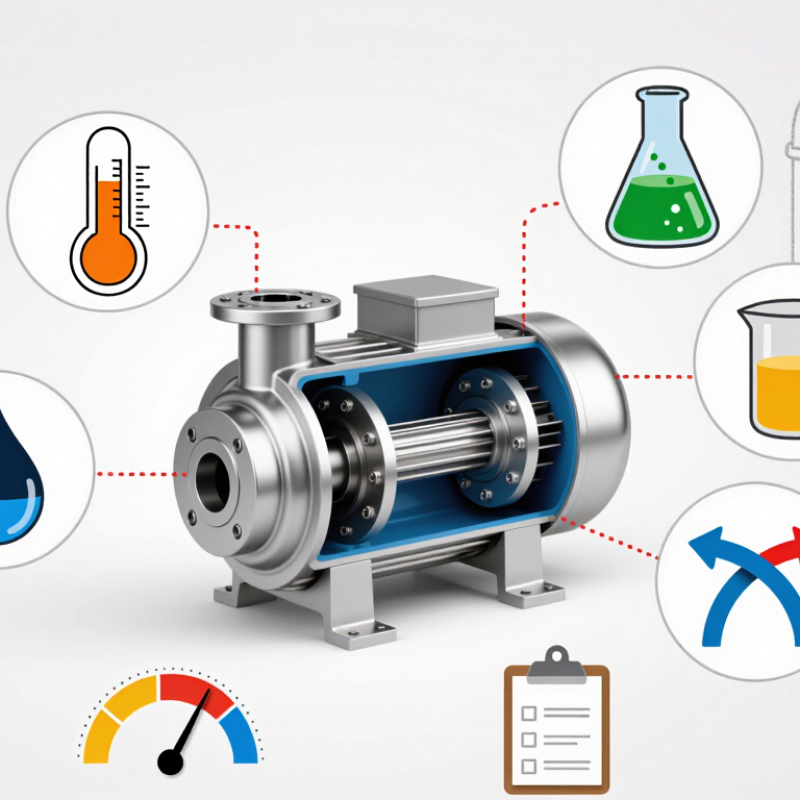
Define the Fluid Pumping Requirements for Your Application
How to Choose Fluid Pumps in 2026?
Define the Fluid Pumping Requirements for Your Application
Start with the duty, not the pump’s advertised maximum. Record the required flow range, discharge pressure, operating hours, and expected changes in demand. A system running steadily needs different control choices from one that starts and stops throughout the day. Small details matter. Measure the actual pipe route, including elevation changes, bends, valves, and filters; each adds resistance and affects the head the pump must deliver.
Describe the fluid at its real operating temperature. Note viscosity, density, vapor pressure, corrosiveness, and any suspended solids. These details influence materials, seal selection, suction conditions, and performance.
The U.S. Department of Energy’s Improving Pumping System Performance: A Sourcebook for Industry estimates pumping systems use nearly 20% of global electricity demand, and 25–50% of energy in some industrial operations. That makes efficiency worth checking across the expected operating range, not just at one rated point.
Compare pump curves with measured system demand, and verify available net positive suction head against the manufacturer’s requirement. A tidy calculation can still miss a dirty strainer or changing fluid temperature. Leave room to revisit assumptions before specifying equipment.
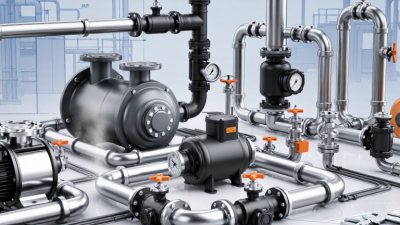
Assess Fluid Properties and Operating Conditions
Before comparing pump curves, define the fluid at its actual operating temperature. Record viscosity, density, vapor pressure, solids content, and chemical compatibility. A liquid that thickens when cold can raise starting torque and reduce flow. Measure it hot, too. Small details matter.
The U.S. Department of Energy’s Improving Pumping System Performance sourcebook reports that pumping systems can use 25–50% of energy in some industrial operations. That makes fluid data more than a procurement detail. Higher viscosity can increase friction losses, while vapor pressure and suction temperature affect cavitation risk. Check the required flow and total head against the full operating range, not just one design point. A spreadsheet can still miss a dirty start-up.
Then examine the site: suction-pipe length, elevation, inlet pressure, temperature swings, and expected solids. Compare available net positive suction head with the pump’s requirement, leaving a practical margin. For abrasive mixtures, estimate particle size and concentration; for corrosive fluids, verify every wetted material. Hydraulic Institute guidance emphasizes evaluating pumps within their operating regions, but real installations rarely behave perfectly. Ask operators about seasonal changes and cleaning cycles. Those observations can expose assumptions the datasheet never captured.
Compare Pump Types and Their Performance Characteristics
How to Choose Fluid Pumps in 2026?
Compare Pump Types and Their Performance Characteristics
A pump’s best choice depends on the fluid, required flow, and pressure—not its headline capacity. Centrifugal pumps suit steady, high-flow transfer of relatively thin liquids. Their flow often falls as system resistance rises, so check the pump curve at your actual operating point. Positive-displacement pumps move a measured volume each cycle, making them useful for viscous fluids or controlled dosing. They can maintain flow against changing pressure, but need suitable pressure protection. Submersible pumps work directly in a tank or sump, reducing suction-lift concerns. Yet debris, liquid level, and maintenance access matter.
Compare more than flow rate. Check viscosity, temperature, solids, seal compatibility, efficiency, and noise. A thick liquid can sharply reduce a centrifugal pump’s output. A narrow pipe or clogged strainer can also increase losses. Ask for performance data across your expected operating range, not just one ideal test point. I’ve seen selections based on a single clean-water figure; that shortcut can miss real-world changes. Recheck assumptions before ordering.
Select Materials, Controls, and Energy-Efficient Features
For a 2026 fluid pump, match wetted materials to the actual liquid and operating conditions. Water, solvents, and abrasive slurries place different demands on casings, impellers, and seals. Check chemical compatibility, temperature, solids content, and viscosity against supplier data. A mismatch may show up as swelling seals, corrosion, or unexpected wear. Small details matter. Also confirm the pump’s flow and pressure range; a unit sized only for peak demand may run inefficiently most days.
Tips: Ask for a pump curve at your expected operating point. Consider a variable-speed drive when demand changes, and use pressure or flow sensors to adjust output. Compare energy use over a typical duty cycle, not just the motor’s rated power. Keep maintenance access in mind.
Controls can reduce wasted energy, but they cannot fix poor system design. Oversized pumps often waste power through throttling, while long pipe runs and restrictive fittings add avoidable losses. Look for efficient operation near the pump’s best-efficiency range, then verify the figures with real site conditions. Specifications rarely tell the whole story. I would leave some margin for changing demand, but not so much that the pump spends its life far from its efficient range. Test before scaling.
How to Choose Fluid Pumps in 2026? — Select Materials, Controls, and Energy-Efficient Features
| Pump Type | Typical Strengths | Suitable Fluids and Duties | Common Wetted Materials | Useful Flow Controls | Energy-Efficient Features | Key Selection Checks |
|---|---|---|---|---|---|---|
| Centrifugal | Continuous flow; widely used for relatively low-viscosity liquids. | Water, process liquids, and compatible chemicals with limited entrained gas or solids. | Cast iron, stainless steel, engineered plastics, or lined materials, depending on the fluid. | Variable-frequency drive (VFD) for motor-speed adjustment; control valve where appropriate. | Choose a pump near its best efficiency point for normal duty; use a VFD when demand varies regularly. | Check required flow and total dynamic head, viscosity, temperature, solids, and minimum-flow requirements. |
| Diaphragm (air-operated) | Can handle self-priming duties and some abrasive or solids-containing fluids; no rotating shaft seal in the fluid path. | Slurries, viscous liquids, and fluids that benefit from a contained pumping chamber. | Polypropylene, PVDF, aluminum, or stainless steel bodies; elastomer or PTFE diaphragms and valves. | Regulate air pressure or use a compatible cycle-control system; fit a discharge-side pulsation dampener if needed. | Reduce air pressure to the minimum that meets duty requirements; consider electric drive where compressed-air energy use is significant. | Confirm solids passage, chemical compatibility, pulsation tolerance, air supply capacity, and allowable dry-running conditions. |
| Gear | Positive-displacement design suited to steady, metered transfer of viscous liquids. | Oils, resins, and other clean, lubricating fluids; suitability depends on viscosity and temperature. | Cast iron, stainless steel, and compatible internal gear or bearing materials. | VFD or motor-speed control; use a correctly sized relief valve to protect against blocked discharge. | Match speed to required flow and select a drive sized for the fluid’s viscosity and operating temperature. | Check fluid lubricity, abrasiveness, viscosity range, clearances, pressure rating, and relief-valve arrangement. |
| Peristaltic | Fluid contacts the tubing or hose only; useful for controlled transfer and some shear-sensitive fluids. | Slurries, dosing fluids, and liquids that may be corrosive or contain suspended solids, subject to hose limits. | Replaceable elastomer or thermoplastic tubing or hose selected for chemical and temperature compatibility. | Adjust motor speed; calibration can support repeatable dosing within the pump’s operating range. | Use speed control to match actual demand and avoid running faster than necessary. | Check hose compatibility, pressure and vacuum limits, flow pulsation, hose life, and maintenance access. |
| Progressive cavity | Positive-displacement pumping with comparatively smooth flow; commonly used for viscous fluids. | Sludges, pastes, and fluids with suspended solids, when rotor and stator materials are suitable. | Metal rotor with an elastomer stator, or other specified combinations selected for the fluid and temperature. | VFD or variable-speed drive; dry-run and temperature protection may be needed for the stator. | Control speed to meet changing flow demand; avoid unnecessary recirculation or excess pressure. | Check viscosity, abrasiveness, solids size, stator compatibility, dry-running risk, and maximum differential pressure. |
| Submersible centrifugal | Installed in the liquid; avoids a separate suction-lift arrangement in many drainage and wastewater applications. | Drainage water and wastewater, with solids-handling capability determined by the impeller design. | Cast iron, stainless steel, and elastomers selected for the liquid and installation environment. | Level switches, pump alternation, and VFD control where compatible with the motor and system. | Use level-based staging for multiple pumps and select a unit that operates efficiently at the expected duty point. | Check solids passage, submergence, cooling requirements, seal arrangement, cable entry, and wet-well conditions. |
Material note: Verify chemical compatibility for the actual fluid concentration, temperature, pressure, and exposure time. Confirm the pump’s duty point and system curve with the manufacturer’s technical data before final selection.
Check Installation Needs, Maintenance, and 2026 Standards
Choosing a fluid pump in 2026 starts with the installation, not the catalogue.
Measure pipe diameter, available headroom, suction lift, and distance to the control panel. A pump that meets the flow target may still struggle if its inlet is undersized or its base vibrates. Check fluid temperature, viscosity, solids, and chemical compatibility against the materials that touch the fluid. Small details matter.
Before purchase, confirm access for lifting, isolation valves, drainage, electrical supply, and safe maintenance clearance.
Leave room to remove a strainer or coupling without dismantling nearby equipment. This is easy to overlook. Ask installers to record alignment, seal arrangement, operating limits, and commissioning readings.
A baseline record can reveal later changes in vibration, pressure, or power use.
Maintenance needs should shape the choice.
Consider whether seals, bearings, and filters are accessible with ordinary tools, and whether replacement parts can be sourced reliably. Set inspection intervals around operating hours and fluid condition; calendar schedules alone may miss rapid wear. No guesswork.
For 2026 standards, verify current local requirements for energy performance, electrical safety, noise, leak control, and pressure equipment. Requirements vary by location and application.
Check the latest applicable codes and technical documents with a qualified engineer.
Even a careful selection may need adjustment after its first operating season.
Related Posts
-
10 Tips for Choosing the Right Fluid Pumps?
-
China Best Fluid Pumps How to Find a Reliable Supplier?
-
How to Choose the Best Pump Solutions for Your Needs?
-
Why Pump Solutions are Essential for Your Business Needs?
-
How to Choose the Best Chemical Diaphragm Pump in 2026?
-
How to Choose the Right Chemical Metering Pump for Your Needs?

Whether your solution requires a single pumping application or an expansive engineered system,
CheckPoint is committed to becoming your partner in excellence.