



2026 How to Choose the Right Cable and Hose Carriers?
Choosing the right Cable And Hose Carriers is a crucial decision for many industries. These components ensure efficient management of electrical cables and hoses, preventing wear and damage. The right choice impacts productivity and equipment longevity.
When selecting Cable and Hose Carriers, consider the application environment. Factors such as temperature, exposure to chemicals, and mobility are vital. Different materials offer varying degrees of durability and flexibility. An unsuitable choice can lead to frequent replacements and downtime.
It's essential to evaluate your specific needs. Reflect on the weight and size of the cables and hoses you will be using. Determine the bending radius for optimal performance. Inadequate planning may lead to complications in operations. A thoughtful approach ensures reliability and efficiency in your projects.
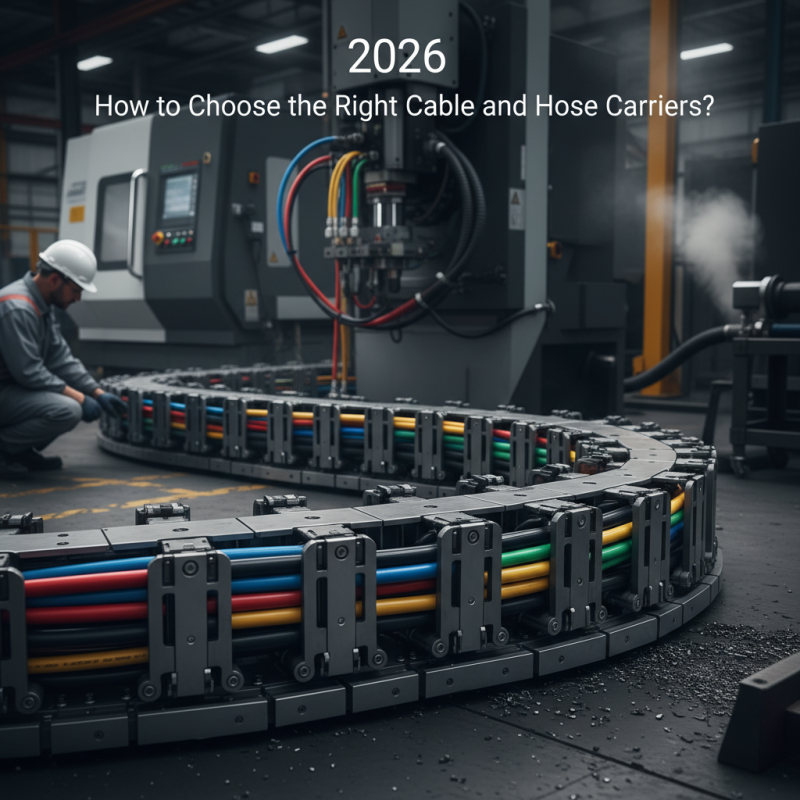
Understanding Cable and Hose Carrier Types and Their Applications
When selecting cable and hose carriers, understanding their types and applications is crucial. Generally, there are several categories: energy chains, drag chains, and flexible conduits. Energy chains are designed for continuous motion and support dynamic applications. Drag chains are often used in machines with stationary structures. Flexible conduits provide protection in harsh environments, making them ideal for outdoor applications.
Consider the material of the carrier. For instance, plastic carriers are lightweight and resistant to corrosion, while metal carriers offer durability. The choice heavily depends on the working conditions. If your system experiences high loads or extreme temperatures, prioritize robust options. Remember, not every carrier suits every application. It's important to match the carrier type with specific needs.
Reflect on your operational environment. Dusty or wet conditions may compromise the effectiveness of certain carriers. A poorly chosen carrier can lead to frequent replacements, escalating costs. Therefore, carefully assess factors like weight, radius, and length. Gathering input from experienced professionals can also prove invaluable. Their insights can prevent costly mistakes in your selection process.

Assessing Load Capacity and Environmental Conditions for Optimal Selection
When selecting cable and hose carriers, assessing load capacity is essential. Knowing the weight and dynamics of your application helps in choosing the right carrier. Consider the maximum load the carrier will support. This includes not only the weight of the cables and hoses but also any additional forces they may encounter. An improper choice can lead to premature failure of the carriers, affecting your operations.
Environmental conditions must also be factored into your decision. Extreme temperatures, moisture levels, and exposure to chemicals can all impact the performance of cable carriers. For instance, carriers in outdoor settings may require materials that withstand UV exposure. Using inferior materials in harsh conditions may result in unexpected breakdowns. Companies often overlook these aspects, leading to costly downtime. Analyze the specific requirements of your environment to ensure optimal selection. Each application demands careful thought, as oversights can cause significant disruptions.
Assessing Load Capacity and Environmental Conditions for Cable and Hose Carriers
Evaluating Material Options: Plastic, Metal, and Composite Carriers
When selecting the right cable and hose carriers, material choice plays a crucial role in performance and longevity. Plastic carriers are lightweight and resistant to corrosion. They excel in environments where weight matters. However, they can be less durable in extreme temperatures or heavy loads.
Metal carriers, like aluminum and steel, offer greater strength and durability. They can withstand harsher conditions and are less prone to wear. Yet, they are heavier and may require more energy to operate. This makes them less suitable for applications where mobility is essential.
Composite carriers strike a balance between plastic and metal. They combine lightweight properties with durability. These carriers often resist heat, chemicals, and wear. However, they can be more expensive and may not be suitable for all applications. Evaluating your specific needs is essential to make the right choice.
Determining the Right Size and Configuration for Effective Management
When choosing the right cable and hose carriers, size and configuration are crucial. Assess the space available in your machinery or assembly line. Ensure that the carrier fits adequately while allowing room for movement. Too tight can cause wear and tear, while too loose may lead to entanglement. Measure the diameter of hoses and cables and choose a carrier with a sufficient internal width.
Consider the environment where the carriers will operate. If exposed to extreme temperatures or harsh chemicals, select materials that resist degradation. Flexibility matters too. A well-configured carrier can manage bending without damaging cables or hoses.
Tips:
1. Always calculate the load during operation. Equipment that holds excessive weight can fail prematurely.
2. Regularly inspect carriers for signs of wear. Small damages can escalate if overlooked.
3. Involve your team in the selection process. Their hands-on experience may highlight factors you’ve missed.
Best Practices for Installation and Maintenance of Cable and Hose Carriers
Choosing the right cable and hose carriers involves careful installation and maintenance. Proper installation is vital for operational safety. According to industry data, improper installations can lead to a 30% increase in equipment failure rates. Ensuring correct alignment and securing all connections is crucial. Furthermore, using the right carrier size can prevent wear and tear.
Regular maintenance is equally important. Inspections should occur at least quarterly. Look for signs of wear, such as fraying cables or cracked hoses. A 2019 report noted that companies implementing routine checks reduced downtime by 25%. Documenting maintenance helps identify patterns. This can be invaluable for future planning.
Ignoring these best practices can lead to costly repairs. Many facilities overlook preventive measures. However, investing effort in installation and routine care pays off. It not only extends lifespan but also improves overall efficiency in operations.
Article Source:

Whether your solution requires a single pumping application or an expansive engineered system,
CheckPoint is committed to becoming your partner in excellence.


