How to Choose a Top Chain Conveyor for Your Business?
Choosing a Top Chain Conveyor begins with understanding the product, not admiring the machine. A food plant, packaging line, and automotive workshop need different conveyor designs. Product weight, surface texture, temperature, speed, and transfer distance all influence the correct choice. A stainless-steel chain may suit washdown areas, while an engineered plastic chain can reduce noise and product marking. The choice should match real operating conditions.
Start with the load.
Experienced engineers inspect the full conveyor route before recommending equipment. They measure available floor space, incline angles, cleaning access, and maintenance clearance. A narrow transfer point may create jams, even when the conveyor has enough rated capacity. Motor sizing also deserves careful attention. Oversizing can waste energy, while undersizing may cause overheating during peak production. Suppliers should provide chain specifications, load calculations, safety features, and service guidance. Verified case studies and responsive technical support add confidence.
However, selection is rarely perfect on the first attempt. Actual moisture, uneven loading, or unexpected product friction can expose weak assumptions. A practical evaluation should include a site visit, sample testing, and a review of future production targets. Operators should explain daily problems that drawings often miss. Does the chain collect debris near the sprocket? Can one technician replace a damaged section safely? These details matter. A reliable Top Chain Conveyor should move products consistently, withstand its environment, and remain maintainable over many years. Careful questions now can prevent expensive downtime later, although no design removes every operational risk.
Define Your Material Handling Needs and Conveyor Operating Conditions
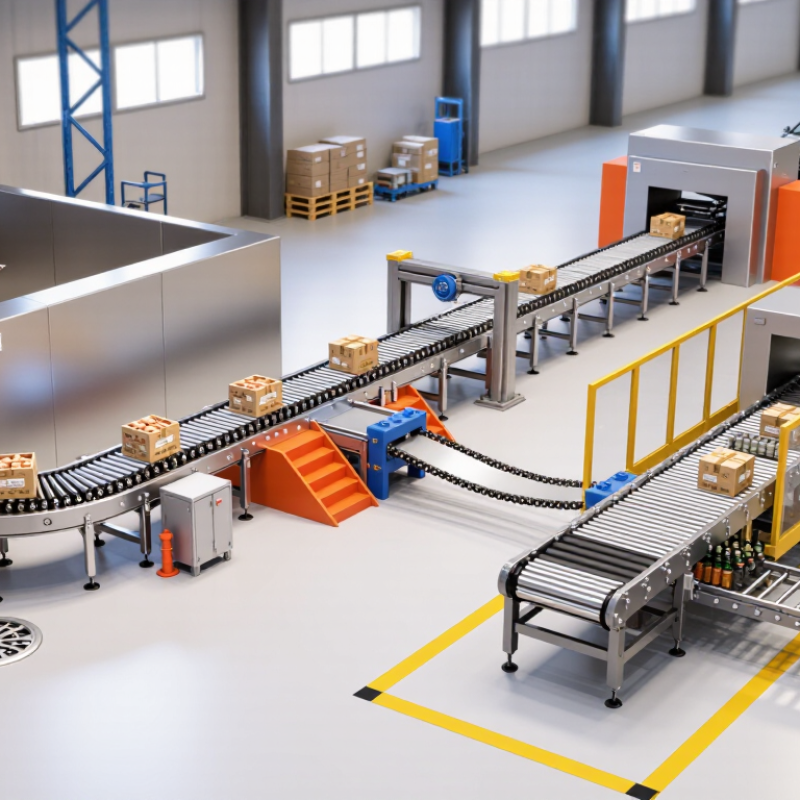
Choosing a top chain conveyor starts with defining what your business must move. Record the material’s weight, dimensions, surface texture, temperature, and moisture level. A dry carton behaves differently from a warm metal part. Include fragile edges, loose pieces, and irregular shapes in your assessment.
Small details matter.
Measure the required capacity in units per hour, then check the peak workload. Daily averages can hide sudden production surges. Select the chain type, flight spacing, and conveyor width around those real conditions. Also examine the route. Note inclines, transfers, loading points, cleaning areas, and available floor space. A conveyor that fits a drawing may fail beside a crowded workstation.
Operating conditions deserve equal attention. Dust, washdown water, heat, vibration, and chemicals can affect chain life and maintenance access. Specify the desired speed, start-stop frequency, noise limits, and working hours. Experienced engineers usually request site measurements before confirming the design. That step prevents expensive assumptions.
I have seen projects focus heavily on capacity while ignoring cleaning time. That was a mistake. Leave room for inspection, lubrication, replacement parts, and safe operator access. No worksheet captures every variable. Recheck the plan with operators who handle the material daily. Their practical observations may expose problems that calculations miss.
Evaluate Drive Systems, Construction Materials, and Safety Features
How to Choose a Top Chain Conveyor for Your Business?
A chain conveyor should match your load, route, and operating rhythm. I have seen oversized drives waste energy during light-duty production. Undersized drives create heat, noise, and unexpected stoppages. Compare torque requirements, starting loads, speed control, and duty cycles before choosing a drive system. Geared motors suit demanding loads, while variable-speed drives help manage changing production rates. Direct-drive designs can reduce maintenance points, but they still need accurate alignment and regular inspection.
Construction materials affect service life more than many buyers expect. Carbon steel offers strength and cost efficiency in dry indoor areas. Stainless steel is better for washdown zones, moisture, and strict hygiene requirements. Polymer wear strips can reduce friction and noise. However, they may wear faster under abrasive loads. Check chain pitch, sprocket hardness, frame thickness, and bearing protection. A polished surface looks professional, but it does not replace proper drainage or corrosion control.
Safety must be assessed during normal use and maintenance. Install fixed guarding around sprockets, pinch points, and return sections. Provide visible emergency stops within easy reach. Lockout and tagout procedures should be practical, not merely printed on a wall. I once reviewed a system where the emergency stop was technically present, yet blocked by stored materials. That detail mattered. Sensors can detect jams, but operators still need training and clear access paths. No checklist is perfect. Revisit the design after real production begins, because dust, noise, and hurried adjustments often reveal problems that drawings miss.
A top chain conveyor should be evaluated across drive performance, construction materials, and operator protection. The comparison uses a 1–5 engineering suitability scale, where 5 represents the strongest fit for demanding industrial conveying applications. Geared-motor systems generally provide high torque and controlled speed, stainless steel is preferred for corrosion-sensitive environments, and guarding, emergency stops, and lockout provisions are essential safety considerations.
Calculate Total Cost, Supplier Support, and Long-Term Business Value
Choosing a top chain conveyor means measuring more than the purchase price. A reliable cost model includes equipment, installation, controls, freight, energy, lubrication, cleaning, spare parts, and planned downtime. Ask the supplier for a five-year estimate, not only a polished first-year figure. Use your actual load, speed, shifts, and washdown schedule. Small assumptions become expensive.
During plant evaluations, I inspect transfer points, chain access, guarding, noise, and floor space. A conveyor that moves cartons smoothly but stops during sanitation is not economical. Request test data for your product, including start-stop cycles and maximum load. Review motor efficiency, wear rates, and replacement costs for sprockets and chain sections. It is easy to underestimate cleaning time. Forecasts fail.
Supplier support should include commissioning, operator training, maintenance manuals, spare-parts availability, and measurable response times. Speak with comparable users, but verify their operating conditions. A quiet, low-maintenance line may justify a higher price when downtime threatens delivery schedules. Long-term value also depends on safe maintenance, adaptable layouts, stable throughput, and accurate service records. Leave room for uncertain demand, labor changes, and future product sizes. I would score every supplier with the same worksheet, then challenge each optimistic assumption.