

Top Tips for Choosing Solar Panel Connectors for Your Needs
Choosing the right Solar Panel Connectors is crucial for an efficient solar energy system. These connectors ensure stable connections between the solar panels and the inverter. Quality solar panel connectors can greatly influence the overall performance of your setup.
When selecting solar panel connectors, consider the environment they will operate in. Moisture, dust, and extreme temperatures can all affect their performance. Look for connectors that provide good sealing and weather resistance. It's essential to balance cost with reliability; cheaper options may not withstand harsh conditions.
Furthermore, ensure compatibility with your specific solar panels and installation system. Mismatched connectors can lead to inefficiencies or even damage. Research and choose connectors from reputable manufacturers. Trustworthy brands typically offer products with warranties and certification. This choice can prevent potential failures down the line. Smart decisions regarding solar panel connectors will ultimately contribute to a more efficient and reliable solar energy system.
Understanding Different Types of Solar Panel Connectors Available
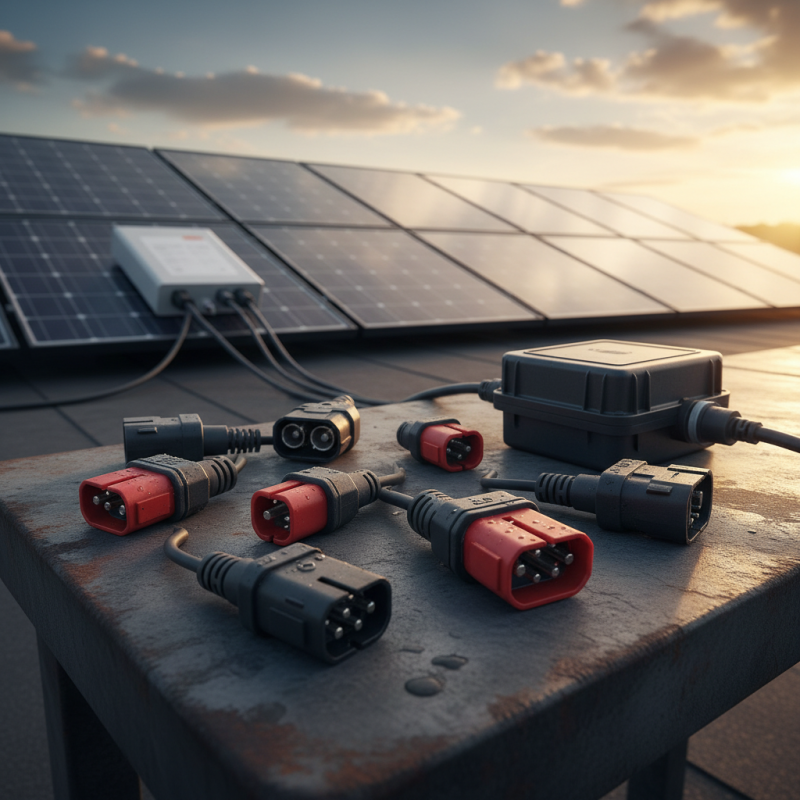
When selecting solar panel connectors, understanding the various types available is crucial. Two predominant categories are MC4 connectors and tyco connectors. MC4 connectors are widely known for their reliability and ease of use. They feature a simple locking mechanism, ensuring a secure connection in outdoor environments. On the other hand, tyco connectors offer versatility, capable of handling multiple cable sizes.
It's essential to consider the importance of compatibility when choosing connectors. Incorrect pairing can lead to energy losses and even system failures. Many users overlook the impact of environmental factors. UV exposure, temperature fluctuations, and moisture can affect connector lifespan. Testing out different types before settling on a choice can provide valuable insights.
Another point to reflect on is installation. A proper installation is vital for optimal performance. Many might feel tempted to DIY, but this can lead to improper connections and safety hazards. It's advisable to consult with professionals, especially for more complex systems. The right connectors can significantly enhance your solar setup, but make informed decisions based on various factors.
Key Factors to Consider When Choosing Solar Panel Connectors
Choosing the right solar panel connectors is crucial for an efficient solar power system. Several factors come into play during this selection process. A good connector should ensure strong electrical connections and withstand harsh weather conditions. The durability of materials and their resistance to corrosion should not be overlooked.
When considering solar panel connectors, think about the electrical ratings. The voltage and current specifications must match your solar panels. Mismatched connectors can result in decreased efficiency or system failures. Always check the compatibility with your existing system components. This includes the gauge of the wire and the connector type.
Think about the usability as well. Some connectors are easier to work with, which can save time during installation. Read reviews or seek advice from experienced users. Poor choices can lead to significant issues down the line. Make sure to choose connectors with good sealing to prevent moisture from causing damage. The right connector will enhance the reliability and longevity of your solar setup.
Top Tips for Choosing Solar Panel Connectors for Your Needs - Key Factors to Consider When Choosing Solar Panel Connectors
| Connector Type | Compatibility | Current Rating (A) | Temperature Range (°C) | Water Resistance | Price ($) |
|---|---|---|---|---|---|
| MC4 | Universal | 30 | -40 to +85 | IP67 | 0.50 |
| Tyco 1.0 | Specific Brands | 20 | -40 to +90 | IP65 | 0.75 |
| Amphenol H4 | Compatible with MC4 | 25 | -40 to +85 | IP68 | 1.00 |
| H4 | General | 22 | -30 to +75 | IP67 | 0.90 |
Evaluating the Compatibility of Connectors with Solar Systems
When choosing solar panel connectors, compatibility with your specific solar system is crucial. Different solar panels and inverters use varying connector types and standards. Understanding these differences can prevent issues like connection failure or reduced energy efficiency. It is essential to verify the specifications outlined in your system’s manual. Remember, the wrong connectors can lead to significant system malfunctions.
Consider the environment where your solar system operates. Harsh conditions can affect connector performance. Weather-resistant connectors may be necessary in humid or rainy regions. Consulting with an expert can help you assess your local conditions. They can suggest suitable options based on specific environmental factors.
Installation techniques also play a critical role. Improperly fitted connectors can introduce resistance, impacting overall system efficiency. It’s easy to overlook these details, but they are vital for optimal performance. Regular maintenance checks may also be necessary. Doing so ensures that all connectors remain in good condition, extending the lifespan of your solar system.
Top Tips for Choosing Solar Panel Connectors for Your Needs
Assessing Weather Resistance and Durability of Solar Connectors
When assessing the weather resistance and durability of solar connectors, several factors come into play. The connectors must withstand diverse weather conditions, including extreme heat, cold, and moisture. According to a report by the National Renewable Energy Laboratory, connectors that meet the IP67 rating are better protected against dust and water ingress. This rating indicates they can endure temporary immersion in water, which is essential for longevity in varying climates.
Material choice is crucial for durability. High-quality plastics and metals resist corrosion and degradation over time. A study from the Solar Energy Industries Association highlights that connectors made from thermoplastic elastomers (TPE) demonstrate superior UV resistance and flexibility. These materials maintain performance in temperatures ranging from -40°C to 90°C. However, not all connectors achieve these standards. Some options can weaken under sunlight, leading to potential failures in the long term.
Regular inspection is necessary to ensure connectors remain functional. Signs of wear, such as discoloration or brittleness, can indicate a need for replacement. Choosing connectors based solely on initial cost can lead to issues later. A more reliable choice may incur a higher upfront price but ultimately saves money on maintenance and replacements. Factors like environmental exposure and installation conditions should be evaluated carefully to ensure connector longevity.
Exploring Installation Tips for Optimal Performance of Solar Connectors
Choosing the right solar panel connectors is vital for system efficiency. Proper connection reduces resistance and heat buildup. Use connectors made of corrosion-resistant materials suited for outdoor conditions. Ensure connectors fit tightly without forcing parts. Loose connections may cause power loss or even sparks. It’s tempting to rush installation, but patience leads to better outcomes.
During installation, clean all contact surfaces thoroughly. Dirt or oxidation can impair conductivity. Avoid using connectors not rated for your system’s voltage. Mismatched connectors risk failure and void warranties. Sometimes installers overlook wire bending radii; sharp bends can damage cables prematurely. Taking time to follow manufacturer guidelines helps prevent such issues.
Testing connections with appropriate tools is essential. A simple visual check is not enough. Using a multimeter ensures continuity and acceptable resistance levels. Also, consider environmental factors like temperature swings and humidity. Even the best connectors can degrade if exposed improperly. This part sometimes gets neglected, impacting long-term performance. Reflecting on these details might improve future installations.
Article Source:

Whether your solution requires a single pumping application or an expansive engineered system,
CheckPoint is committed to becoming your partner in excellence.


